


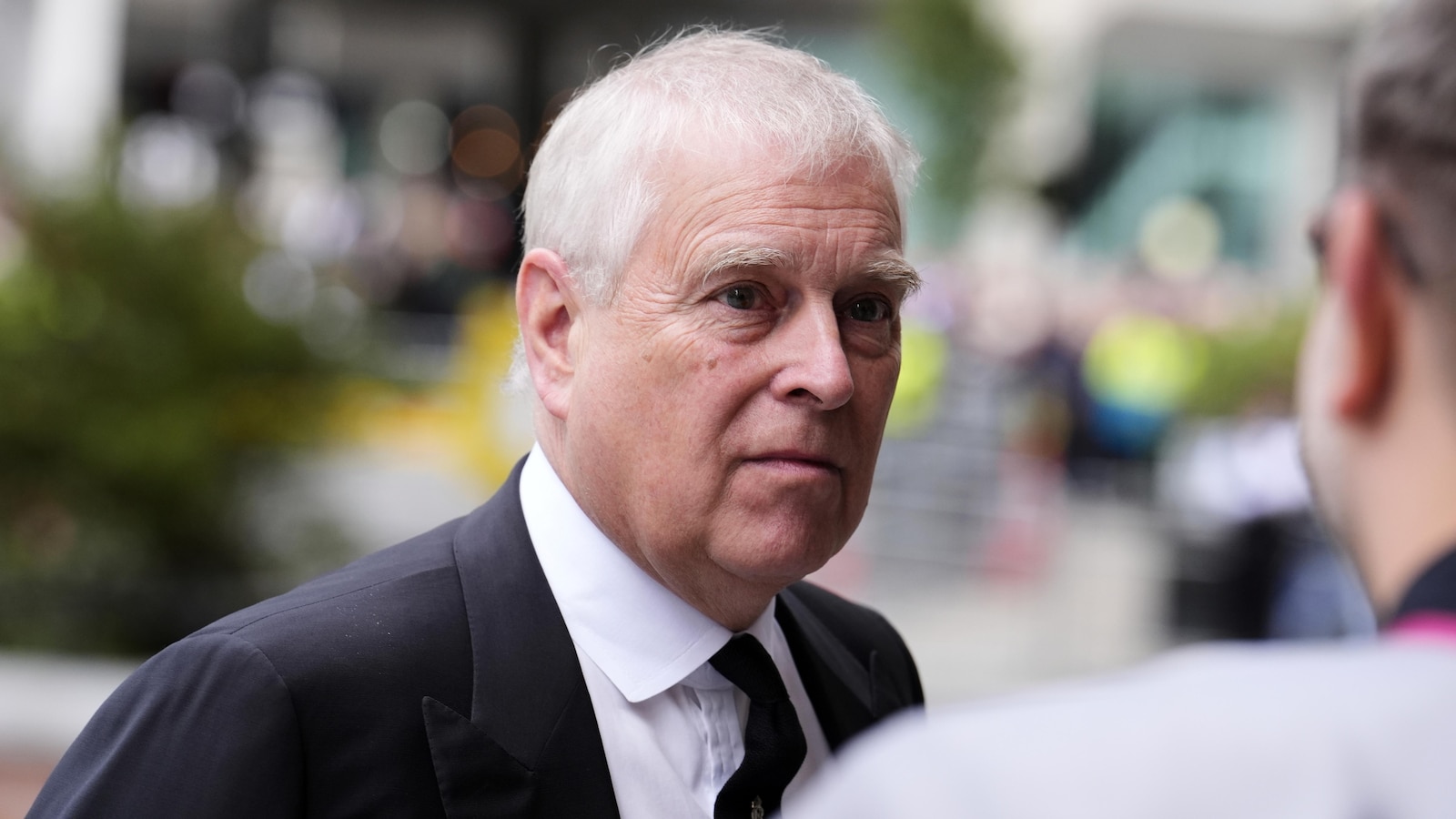

Prince Andrew’s Hasty Departure: The Epstein Connection Continues to Haunt the Royal Family
A Sudden Move from Royal Lodge
In a development that has caught the attention of both the British public and international observers, Prince Andrew has unexpectedly vacated his long-standing residence at Royal Lodge near Windsor Castle. The 65-year-old brother of King Charles III, who now goes by the name Andrew Mountbatten-Windsor following the stripping of his royal titles, departed his home of more than two decades on Monday. His destination is Wood Farm Cottage on the King’s Sandringham estate in eastern England, where he will reside temporarily while his permanent accommodations on the property undergo necessary repairs. This move, which was initially announced in October, was not expected to take place until spring, making the expedited timeline particularly noteworthy. The sudden nature of his departure has raised eyebrows and renewed public interest in the ongoing controversies surrounding the former prince, particularly his connections to the late convicted sex offender Jeffrey Epstein.
Fresh Allegations and Renewed Scrutiny
The timing of Mountbatten-Windsor’s hasty relocation coincides with deeply troubling new developments in the Epstein scandal. Thames Valley Police have launched an investigation into allegations that Jeffrey Epstein arranged for a second woman to be flown to Britain specifically to engage in sexual activities with the former prince. According to a lawyer representing the alleged victim, this encounter reportedly occurred in 2010 at the very residence Mountbatten-Windsor just vacated—Royal Lodge. These allegations represent a separate set of accusations from those previously made by Virginia Giuffre, who claimed she was trafficked to Britain in 2001 at the age of just 17 to have sex with Prince Andrew. Tragically, Giuffre died by suicide last year, adding another layer of sorrow to this already distressing saga. Throughout these mounting allegations, Mountbatten-Windsor has consistently maintained his innocence and denied any wrongdoing in connection with his relationship with Jeffrey Epstein. However, he has not issued any public statement addressing these latest trafficking allegations, leaving many questions unanswered and speculation running rampant.
The Document Dump That Reignited the Controversy
The recent escalation in public attention to Mountbatten-Windsor’s situation can be directly attributed to the massive release of documents from the U.S. Department of Justice last Friday. This extraordinary disclosure consisted of approximately 3 million pages related to the investigation of Jeffrey Epstein, and within this voluminous trove of information, the former prince’s name appears multiple times. Among the most damning pieces of evidence are correspondence between Epstein and an individual believed to be Mountbatten-Windsor, which paint a disturbing picture of their relationship. In these communications, Epstein can be seen offering to arrange a date between this man and a 26-year-old Russian woman. The recipient of these messages, who signs his responses simply as “A,” later proposes having dinner with Epstein in London, suggesting either a restaurant or, shockingly, Buckingham Palace as potential venues. These revelations have reinforced long-standing concerns about the nature and extent of the relationship between the disgraced financier and the Queen’s son, further damaging what remains of Andrew’s reputation.
A Long-Standing Royal Real Estate Dispute
The controversy surrounding Mountbatten-Windsor’s housing situation predates these latest allegations and has been a source of tension within the royal family for some time. The Royal Lodge, where he resided for more than twenty years, is a substantial 30-room property located on crown-owned land with extensive surrounding grounds. This prestigious residence is managed by the Crown Estate, an organization that oversees properties throughout Britain that are technically owned by the monarchy but are administered for the benefit of British taxpayers. When Charles ascended to the throne in 2022 following the death of Queen Elizabeth II, one of his priorities was to persuade his younger brother to relocate to more modest accommodations on the Windsor Castle estate. However, Mountbatten-Windsor resisted these efforts, citing a long-term lease on the Royal Lodge property that extended through 2078, effectively giving him legal grounds to remain despite his brother’s wishes. This dispute highlighted the awkward position the monarchy found itself in—unable to easily remove a family member from a property tied to the Crown despite his increasingly problematic public profile.
Mounting Pressure and the Final Straw
The pressure for Mountbatten-Windsor to leave his comfortable Royal Lodge residence became insurmountable in October, when public scrutiny intensified dramatically. Both members of Parliament and ordinary British citizens began raising pointed questions about the extraordinarily favorable terms of his lease arrangement. The optics of a disgraced former royal living in such luxury while under the shadow of serious allegations proved untenable, particularly at a time when many Britons were struggling with the cost-of-living crisis. The king’s decision in October to strip his brother of royal titles was a significant escalation, transforming Prince Andrew into simply Andrew Mountbatten-Windsor and effectively removing him from official royal life. This decisive action sent a clear message that the monarchy was attempting to distance itself from the ongoing scandal. The announcement of his eventual relocation to Sandringham accompanied this title-stripping, though at that time, the move was not expected until spring, suggesting that recent events accelerated the timeline considerably.
The Sandringham Solution and What Lies Ahead
The choice of Sandringham as Mountbatten-Windsor’s new home is significant for several reasons. Unlike the Crown Estate properties, which are held in trust for the nation, the Sandringham Estate in Norfolk is the personal property of King Charles III. This distinction means the king has considerably more control over who resides there and under what conditions, effectively placing his troubled brother under closer family supervision while removing him from the more visible and symbolically important Windsor area. Wood Farm Cottage, where Andrew is temporarily staying, is far more modest than the Royal Lodge, though his ultimate permanent residence on the estate is currently undergoing repairs, suggesting this arrangement may evolve. This relocation represents a dramatic fall from grace for someone who was once a working royal and held the title of Duke of York. As the investigations continue and more information potentially emerges from the millions of pages of Epstein-related documents, the former prince’s future remains uncertain. What is clear is that the royal family is attempting to manage a crisis that shows no signs of abating, balancing family loyalty with the need to protect the institution of the monarchy itself. The coming months will likely determine whether this relocation marks the end of Andrew’s public troubles or merely another chapter in an ongoing scandal that has already profoundly damaged both his reputation and that of the royal family he was born into.