


Government Shutdown and Immigration Enforcement: A Conversation with Rep. Michael McCaul
Navigating the Government Shutdown Crisis
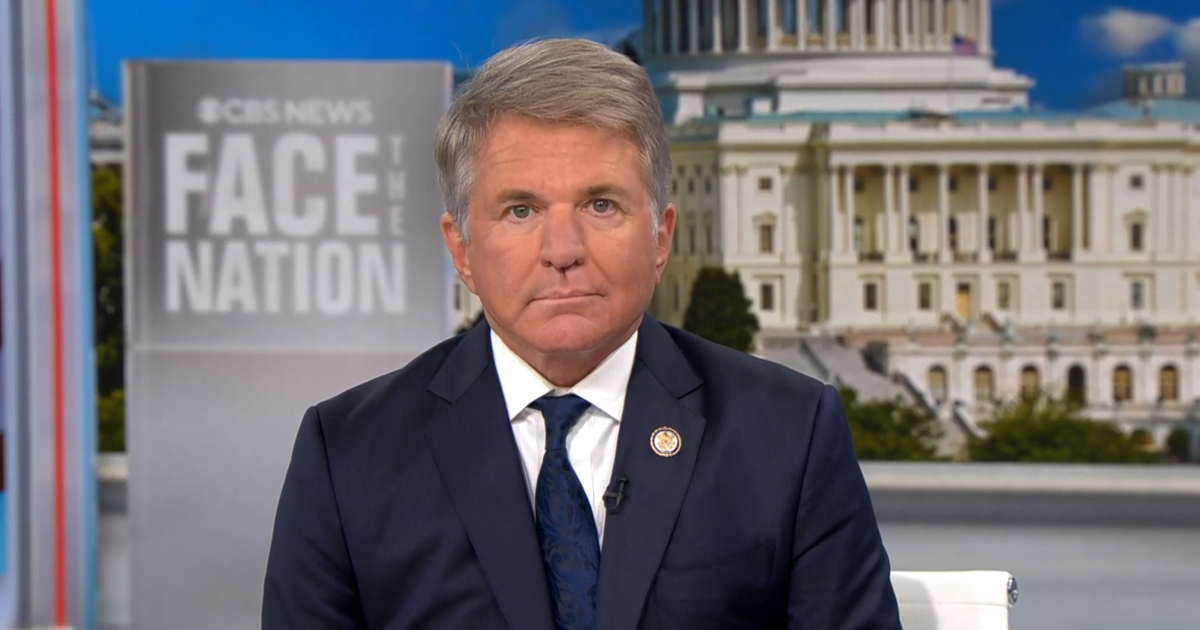
The United States finds itself once again facing a partial government shutdown, a situation that has become all too familiar in recent years. In a February 2026 interview on “Face the Nation,” Texas Republican Congressman Michael McCaul provided insights into the current political impasse and what it might take to resolve it. House Speaker Johnson has expressed optimism that the shutdown could end by Tuesday, but the reality on the ground is more complicated. With Republicans holding only a one-seat majority in the House, every vote counts, and some GOP colleagues have attached conditions to their support. McCaul, however, stated firmly that Speaker Johnson has his vote, noting that Republicans had previously voted for the measure, as had most Democrats. The congressman expressed bewilderment at the prospect of Democrats reversing their position, suggesting it would make little sense to shut down the federal government over what he sees as a manufactured crisis. According to McCaul, the key challenge lies in getting the measure through the Rules Committee, but he believes the Speaker wouldn’t bring it to a vote without having secured the necessary support beforehand.
The Minneapolis Incident That Changed Everything
The reason for the current political standoff becomes clearer when examining what happened in Minneapolis just a week prior to this interview. An incident involving Alex Pretti sparked national outrage and caused Democrats who had previously supported the funding measure to reconsider their positions. The situation escalated to such a degree that it prompted significant changes within the Department of Homeland Security’s leadership structure. The Trump administration responded by replacing Greg Bovino, who had been running Border Patrol operations, with Tom Homan, the borders czar, specifically to oversee operations in Minneapolis. Additionally, the Justice Department opened a civil rights investigation into why federal agents shot Pretti, and Secretary Noem announced that the FBI would be taking over the probe. These developments reflect the seriousness of the situation and the administration’s recognition that something had gone terribly wrong. McCaul called for a full investigation, acknowledging that the DOJ’s Civil Rights Division would have proper jurisdiction over the matter. His assessment was blunt: Bovino had escalated the situation unnecessarily, creating tension between the public and law enforcement while putting agents in positions they should never have been placed in, particularly given their lack of training for crowd control.
Questioning Immigration Enforcement Tactics
One of the most significant aspects of the interview centered on the tactics being used by Immigration and Customs Enforcement (ICE) agents in their deportation operations. McCaul made a clear distinction between what he sees as appropriate enforcement and what happened in Minneapolis. According to the congressman, ICE agents are trained to conduct targeted operations to remove criminal aliens and violent felons from the United States, not to engage in roving patrols that create chaos in communities. He praised Tom Homan as a consummate professional with extensive experience who would return ICE to its core mission of targeted law enforcement operations rather than the broad-sweep tactics that led to the Minneapolis incident. However, the interview revealed continuing confusion about what specific changes would be implemented. While Homan had spoken about de-escalation and returning to targeted operations, the details remained unclear. The conversation then turned to the controversial issue of warrantless arrests, a practice that raises serious constitutional questions. Administrative warrants signed by immigration judges have been used for a long time to execute orders of removal and to apprehend prisoners under ICE detainers, but using administrative warrants to break into homes has not been standard ICE practice, and McCaul indicated that Homan would not continue such practices.
Constitutional Concerns and “Collateral Arrests”
The discussion delved deeper into the legal complexities surrounding immigration enforcement, particularly regarding the Fourth Amendment, which protects all people in the United States—regardless of citizenship status—from unreasonable searches and seizures. A particularly contentious issue is the Trump administration’s policy allowing for “collateral arrests,” where ICE officers can conduct warrantless arrests of unauthorized immigrants who aren’t the primary targets of an operation but who are encountered during the operation, especially if they might be trying to leave the scene. McCaul explained that when agents arrest their target—typically a violent offender—any illegal aliens found with that target are “caught in the net” and can be removed because they’re in the country illegally. He didn’t believe this practice would change. However, the interpretation of what constitutes a “flight risk” has expanded under the Trump administration. Previously, it meant someone who might not show up for a court appointment; now it can mean someone who might simply leave the immediate scene, which has been used to justify some warrantless arrests and encounters. McCaul acknowledged that due process applies to all persons under the Constitution, and courts are currently adjudicating these issues, with many cases being thrown out, including instances where U.S. citizens were arrested unlawfully.
The Case of Five-Year-Old Liam Ramos
Perhaps the most emotionally charged topic discussed was the detention of five-year-old Liam Ramos and his father, whose picture went viral and became a symbol of the human cost of aggressive enforcement policies. A federal judge in Texas ordered their release from ICE custody, specifically citing concern about traumatizing children. The case highlighted several problems with current enforcement practices. The administration had claimed the father was trying to flee and was in the country illegally, but these claims weren’t supported in court. In reality, the father had followed a legal process established by the previous administration, using an official app to claim asylum. This wasn’t an isolated incident—Liam Ramos is not the only child being detained under current policies. When asked whether this raised concerns about children getting caught in the crosshairs and whether Congress needed to establish guardrails for Homeland Security, McCaul acknowledged that this would be part of the reform process being considered. He expressed worry that situations like these give law enforcement a “black eye” when officers are simply trying to do their jobs. The congressman emphasized that while most Americans support removing violent felons from the country—the number one issue on which the president won the election—he worried about “turning a winning issue into a liability.”
Finding Balance Between Security and Humanity
McCaul’s comments throughout the interview reflected a congressman trying to navigate between supporting his party’s immigration enforcement priorities and acknowledging serious problems with how those policies are being implemented. He repeatedly emphasized that the American people want dangerous, violent criminals removed from the streets, but they don’t want to see disturbing images of children being detained or people being dragged from their cars, and they certainly don’t want U.S. citizens caught up in enforcement actions. His solution centers on de-escalation and returning to targeted operations focused on genuine public safety threats rather than broad sweeps that inevitably ensnare people who pose no danger to their communities. The congressman’s faith in Tom Homan to implement this more measured approach was evident, though questions remain about why Homan wasn’t involved from the beginning and why Secretary Noem apparently cut him out of operations. McCaul admitted he didn’t know all the inner workings of DHS decision-making, but he was clear that Homan should have been involved from day one. As courts continue to examine the legality of various enforcement tactics and as Congress considers what legislative guardrails might be necessary, the tension between effective immigration enforcement and constitutional protections for all persons in the United States remains unresolved. The outcome of these debates will shape not only immigration policy but also fundamental questions about the balance between security and civil liberties in American society.