



Peace Talks Resume as Russia and Ukraine Navigate Complex Path to End Three-Year War
Diplomatic Efforts Continue in Abu Dhabi
The United Arab Emirates is once again serving as neutral ground for critical peace negotiations, as American, Ukrainian, and Russian representatives gathered in Abu Dhabi this Wednesday for their second round of trilateral talks aimed at ending Russia’s devastating invasion of Ukraine. These discussions come at a particularly poignant moment, just weeks before the fourth anniversary of the full-scale invasion that has reshaped European security and caused immeasurable human suffering. The talks, scheduled to continue through Thursday, represent the most significant diplomatic engagement between the warring parties in recent months, though the path forward remains fraught with deep disagreements and mutual distrust. Both Moscow and Kyiv characterized the first round of trilateral negotiations, also held in Abu Dhabi last month, as “constructive,” but this diplomatic language masks fundamental differences over territorial integrity, security arrangements, and the future status of occupied Ukrainian lands. The very fact that these parties are sitting at the same table represents progress of sorts, yet the chasm between their positions remains vast and potentially unbridgeable without significant compromise from one or both sides.
Unresolved Territorial and Security Questions
Among the most contentious issues dividing the negotiating parties are questions of territory and post-war security guarantees. The fate of Ukraine’s eastern Donbas region stands as perhaps the most difficult obstacle to overcome. Russia currently occupies portions of this industrial heartland and is demanding a complete Ukrainian military withdrawal from the entire region—a proposal that Kyiv has flatly rejected as tantamount to surrender and a violation of Ukraine’s sovereignty. Similarly complex is the question of the Zaporizhzhia Nuclear Power Plant in southern Ukraine, which has been under Russian military occupation since March 2022. The plant’s status poses not only a political challenge but also represents a genuine safety concern, as Europe’s largest nuclear facility has been caught in the crossfire of war. These territorial disputes are further complicated by the question of Western security guarantees for Ukraine, which Kyiv insists are essential to prevent future Russian aggression. Ukrainian negotiators have made clear that without binding commitments involving American forces, any peace agreement would merely give Moscow time to regroup and attack again. This demand puts them at odds with Russian insistence that no NATO troops be deployed on Ukrainian soil following any settlement. However, Russian negotiator Kirill Dmitriev offered a slight opening after weekend talks with U.S. President Donald Trump’s peace envoy Steve Witkoff, suggesting that “some security guarantees in some form may be acceptable”—vague language that nonetheless hints at potential flexibility.
Ongoing Combat Casts Shadow Over Negotiations
The diplomatic discussions are unfolding against a backdrop of continued intense military operations and devastating attacks on civilian infrastructure. Ukraine is still reeling from a massive Russian drone and missile bombardment launched Monday night, which Ukrainian officials say caused severe damage to the country’s already battered energy grid. This winter has been particularly brutal for Ukrainian civilians, with sustained Russian strikes on energy infrastructure causing regular blackouts for millions of people enduring below-freezing temperatures. The timing and intensity of these attacks raise serious questions about Russia’s commitment to meaningful negotiations and its willingness to reduce the suffering of Ukrainian civilians. Ukrainian President Volodymyr Zelenskyy has been vocal in his criticism of these continued assaults, particularly because they appear to violate what was supposed to be a week-long pause in attacks on energy infrastructure. President Trump announced last Thursday that he had secured Russian agreement to halt such strikes, and Moscow confirmed the arrangement, though the two sides immediately differed on its duration—Trump saying it would last a week, while Russia claimed it would only extend until Sunday. Ukraine also agreed to pause its own attacks on Russian energy targets during this period, demonstrating its willingness to engage in reciprocal de-escalation measures.
Disputes Over Ceasefire Compliance
The question of whether Russia has honored even this limited agreement has become yet another point of contention that threatens to derail the fragile diplomatic process. President Zelenskyy suggested on Tuesday that Monday night’s devastating strikes clearly violated the supposed week-long pause, stating that “Russia broke its promise” and questioning whether “Russia now believes a week has fewer than four days instead of seven, or it is genuinely betting only on war and simply waited for the coldest days of this winter.” This pointed criticism reflects Ukrainian frustration with what they perceive as Russian dishonesty and bad faith in negotiations. Trump, however, defended the Russian position, telling reporters that the agreement only stretched “from Sunday to Sunday” and insisting that Putin “kept his word on that.” This divergence between the Ukrainian and American interpretations of the ceasefire terms is deeply concerning, as it suggests that even when agreements are reached, the parties may understand them differently. Zelenskyy also said that Ukrainian negotiators were awaiting “the reaction of the United States of America to the Russian strikes,” placing pressure on Washington to hold Moscow accountable for what Kyiv views as violations. The Ukrainian president expressed broader skepticism about Russian promises, asking rhetorically, “If their word doesn’t hold even now, what can be expected next?” and reminding the international community that “they lied before this war as well” when Russia denied its intentions to launch a full-scale invasion.
Military Operations Continue Despite Diplomatic Engagement
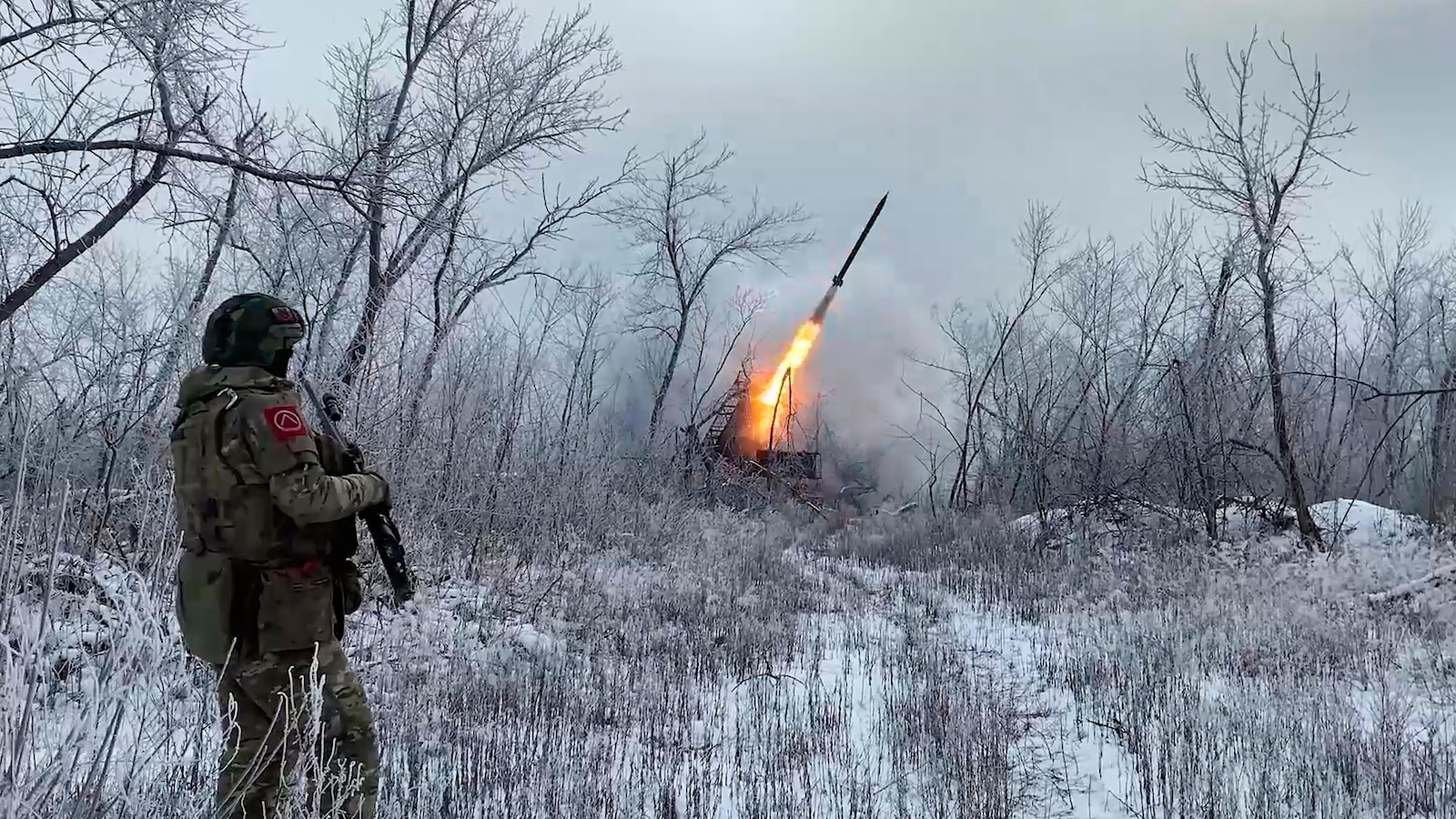
Even as diplomats meet in Abu Dhabi’s comfortable conference rooms, the brutal reality of war continues unabated on the ground. Both Russia and Ukraine maintained their long-range attacks overnight into Wednesday, demonstrating that neither side is prepared to significantly scale back military operations while negotiations proceed. According to Ukraine’s air force, Russia launched 105 drones into Ukrainian territory overnight, of which 88 were either shot down by air defenses or suppressed through electronic warfare measures. The remaining seventeen drones impacted targets across fourteen different locations throughout the country, though specific details about casualties and damage were not immediately available. Russia’s Defense Ministry, for its part, reported that its forces successfully shot down 24 Ukrainian drones overnight, suggesting that Kyiv also continues to strike targets within Russian territory despite the supposed pause on energy infrastructure attacks. These ongoing military operations serve multiple purposes for both sides—they maintain pressure on the enemy, demonstrate resolve to domestic audiences, and potentially strengthen bargaining positions at the negotiating table. However, they also perpetuate civilian suffering and create opportunities for escalation that could derail diplomatic progress entirely.
Uncertain Path Forward
As these talks continue, the fundamental question remains whether the parties are genuinely prepared to make the difficult compromises necessary for a sustainable peace agreement. Rustem Umerov, the secretary of Ukraine’s National Security and Defense Council who leads Kyiv’s delegation, confirmed in a Telegram post on Wednesday that negotiations were proceeding according to plan. “The negotiation process started in a trilateral format — Ukraine, USA and Russia,” he wrote, explaining that work would continue “in separate groups by areas, after which a repeated joint synchronization of positions is planned.” This structured approach suggests serious diplomatic engagement, though it remains unclear whether the gaps between positions can be bridged. Kremlin spokesperson Dmitry Peskov struck a similarly cautious note, telling journalists that Moscow “is continuing its special military operation” while maintaining that “the door to a peaceful settlement is open, and Russia remains open.” This dual message—of continued military operations alongside willingness to negotiate—reflects the reality that both sides see military pressure and diplomatic engagement as complementary rather than contradictory strategies. The international community, particularly European allies and the United States, will play crucial roles in determining whether these talks lead to meaningful progress or simply become another chapter in the long, tragic story of this war. For the millions of Ukrainians shivering in darkness and the countless families on both sides mourning lost loved ones, the stakes could not be higher.