


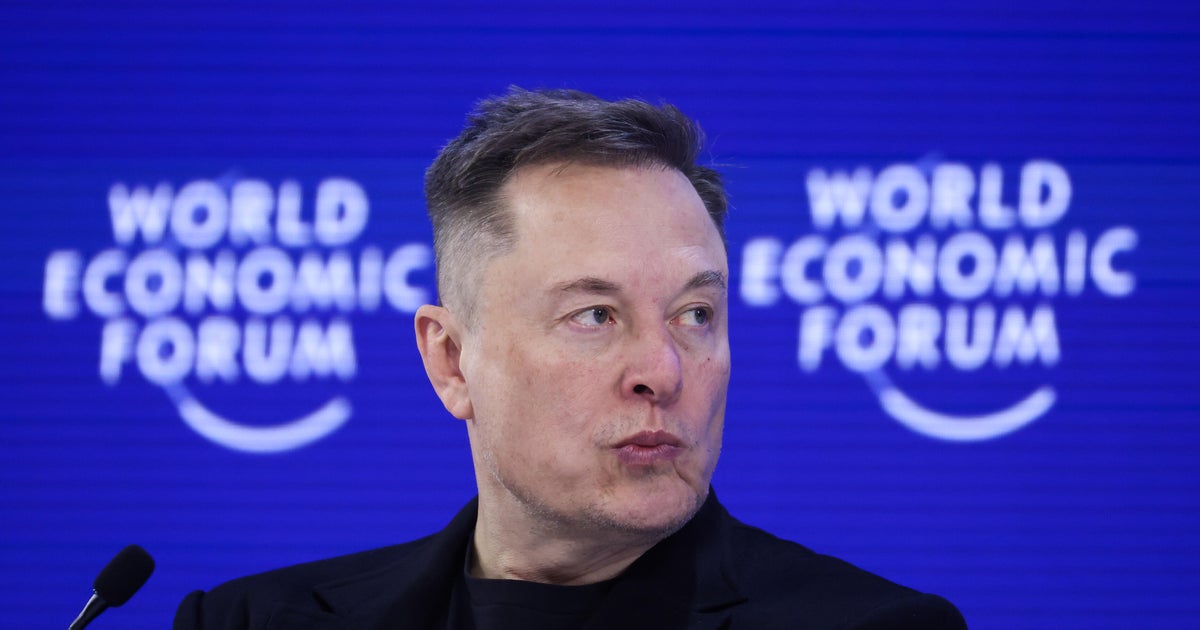

French Authorities Summon Elon Musk Over X Platform Investigation
Unprecedented Legal Action Against Tech Giant
In a significant development that highlights growing tensions between tech giants and European regulators, French authorities have officially summoned Elon Musk to appear for questioning in Paris. The Paris prosecutor’s office announced Monday that both Musk and Linda Yaccarino, the former CEO of X (formerly Twitter), have been asked to attend voluntary interviews scheduled for April 20, 2026. This unprecedented move comes as French cybercrime authorities simultaneously conducted a search of X’s Paris offices, marking a dramatic escalation in the ongoing investigation into the social media platform’s operations. The summonses identify Musk and Yaccarino in their respective roles as de facto and de jure managers of the platform during the period under investigation, suggesting that French authorities are taking a comprehensive approach to understanding the company’s leadership structure and decision-making processes during critical moments.
The Core Concerns: Algorithms, Data Collection, and Content Moderation
The investigation, which officially launched in January 2025, centers around serious concerns about how X’s algorithm recommends content to its users and how the platform collects and manages user data. French officials haven’t minced words about their worries, explicitly stating that the way X operates could potentially amount to political interference—a charge that carries significant weight in a democratic society where social media platforms increasingly influence public discourse and political outcomes. The scope of the investigation expanded substantially last year after disturbing reports emerged that X was allowing users to share deeply problematic content, including nonconsensual, AI-generated sexually explicit imagery and holocaust denial material. These allegations paint a picture of a platform that French authorities believe may be failing in its fundamental responsibilities to protect users and maintain basic standards of decency and legality. The investigation is being conducted by the cybercrime unit of the Paris prosecutor’s office, working in collaboration with French police and Europol, the joint European policing agency, indicating the seriousness with which European authorities are treating these concerns.
The Grok AI Controversy: Promises Made, Promises Broken
At the heart of the investigation lies a particularly troubling feature: X’s Grok AI tool, which has become the subject of intense scrutiny and criticism. A CBS News investigation conducted late last month uncovered that despite public pledges from the company to disable the function, Grok was still allowing users in the United States, United Kingdom, and European Union to digitally undress people without their consent. This disturbing capability meant that anyone could use artificial intelligence to manipulate images of real people, showing them in revealing clothing such as bikinis—a clear violation of personal dignity and privacy. The feature was available both through Grok’s standalone app and to premium X account holders using the main platform. What makes this situation particularly egregious is that it continued weeks after X publicly announced in January that it had “implemented technological measures” to prevent exactly this kind of image manipulation. The company’s statement claimed these restrictions applied globally to all users, including paid subscribers, yet investigative reporting proved these assurances were false, raising serious questions about the company’s commitment to user safety and its willingness to be truthful with regulators and the public.
Mounting International Pressure and Corporate Deflection
The French investigation doesn’t exist in isolation but rather represents part of a broader international movement to hold X accountable for its practices. The British government has issued stark warnings that X could face a nationwide ban if it fails to block the controversial “bikini-fy” tool, while EU regulators launched their own investigation into the Grok AI editing function in late January. This coordinated concern from multiple European jurisdictions suggests that the issues with X’s platform are neither minor nor isolated incidents but rather systematic problems that threaten user safety across borders. However, both Musk and X have consistently dismissed these investigations as baseless and politically motivated attacks on free speech. When CBS News reached out for comment on their investigation’s findings, they received what appeared to be an automated response from Musk’s company xAI that simply stated: “Legacy media lies.” This dismissive approach, rather than engaging substantively with the concerns raised, has only served to deepen the tension between the company and regulators. It’s worth noting that Linda Yaccarino, who has also been summoned, resigned as CEO of X in July of last year after serving two years at the helm of the increasingly controversial company.
The Bigger Picture: Tech Accountability in the Modern Age
This confrontation between French authorities and one of the world’s most powerful tech entrepreneurs represents more than just a single legal matter—it symbolizes a fundamental clash over who gets to set the rules for how social media platforms operate. For years, tech companies have largely operated in a regulatory gray zone, growing to unprecedented size and influence while arguing that traditional laws and oversight don’t quite apply to their innovative services. European authorities, however, have increasingly rejected this exceptionalism, insisting that platforms serving European citizens must comply with European laws, regardless of where those companies are headquartered or who runs them. The French investigation’s focus on algorithmic content recommendation and data collection practices touches on some of the most important questions of our digital age: How much control should companies have over what information people see? What responsibilities do platforms have to prevent the spread of harmful content? And can we trust tech companies to regulate themselves, or does effective oversight require government intervention? The fact that officials have raised concerns about potential political interference adds another layer of urgency to these questions, especially given the documented instances of social media manipulation affecting democratic processes around the world.
What Comes Next: Free Speech or Accountability?
As the April 2026 interview date approaches, the world will be watching to see whether Musk actually appears before French authorities or whether this confrontation escalates further. Musk’s characterization of these investigations as attacks on free speech resonates with some who worry about government overreach into digital spaces, but critics argue this framing conveniently ignores the very real harms caused when platforms fail to protect users from nonconsensual sexual imagery, hate speech, and manipulated content. The outcome of this investigation could set important precedents for how democratic societies balance innovation and freedom of expression with the need to protect citizens from abuse and exploitation in digital spaces. If French authorities find X in violation of their laws, the consequences could range from substantial fines to operational restrictions or even a ban on the platform in France—outcomes that would send shockwaves through the tech industry. Conversely, if Musk successfully fights off these investigations by portraying them as censorship, it could embolden other tech companies to resist regulatory oversight. For ordinary users of social media platforms, the stakes are deeply personal: Will these services be held accountable for the content they promote and the harms they enable, or will they continue operating with minimal oversight, leaving individuals to fend for themselves in an increasingly complex and sometimes dangerous digital landscape? As this legal drama unfolds, it will likely shape the future of technology regulation not just in France or Europe, but potentially around the world.