


Escalating Tensions: Ten U.S. Service Members Wounded in Iranian Attack on Saudi Arabian Military Base
The Attack and Immediate Casualties
In a stark reminder of the ongoing volatility in the Middle East, ten American service members suffered injuries during a coordinated attack on Prince Sultan Air Base in Saudi Arabia. According to information provided by multiple U.S. officials familiar with the situation, the assault represented a significant escalation in regional hostilities. The attack, which targeted one of the key American military installations in the region, utilized a combination of Iranian missiles and unmanned aerial vehicles, commonly known as drones. This multi-pronged approach demonstrates the increasingly sophisticated capabilities of Iranian military forces and their willingness to directly target American personnel stationed in allied nations. The incident has raised immediate concerns about the safety of U.S. troops deployed throughout the Middle East and has prompted urgent discussions about defensive measures and potential responses.
Severity of Injuries and Military Classification
The injuries sustained by the ten service members varied significantly in severity, according to sources who spoke with CBS News. Two of the Americans wounded in the attack were classified as “very seriously injured,” representing the most severe category of battlefield casualties. These individuals likely require extensive medical treatment and face potentially life-threatening conditions. The remaining eight service members were categorized as “seriously injured,” which, while still grave, represents a somewhat less critical classification within the military’s injury assessment system. This classification system is carefully designed to help military medical personnel, commanders, and families understand the nature and extent of injuries sustained in combat situations. The distinction between “very seriously injured” and “seriously injured” isn’t merely bureaucratic—it reflects meaningful differences in the medical prognosis, treatment requirements, and expected recovery timelines for the wounded personnel. Military officials use these classifications to allocate medical resources, determine evacuation priorities, and provide accurate information to the families of injured service members who anxiously await news about their loved ones.
The Broader Context of U.S.-Iran Conflict
This attack doesn’t exist in isolation but rather represents one incident within a much larger and more troubling pattern of hostilities. A spokesperson for U.S. Central Command, the military organization responsible for American operations throughout the Middle East, revealed on Friday that more than 300 American service members have been wounded in action as part of the ongoing conflict with Iran. This sobering statistic illustrates the genuine human cost of the tensions between Washington and Tehran, a cost that often goes underreported in daily news coverage. The conflict has already claimed the lives of 13 American service members, each representing an irreplaceable loss to their families, communities, and fellow soldiers. While the majority of the wounded—more than 300 individuals—have fortunately been able to return to active duty after receiving medical treatment, the sheer number of casualties demonstrates that American forces in the region face persistent and serious threats. These aren’t abstract geopolitical tensions being debated in comfortable conference rooms; they’re real-world dangers that American men and women in uniform confront daily while serving their country thousands of miles from home.
Strategic Significance of Prince Sultan Air Base
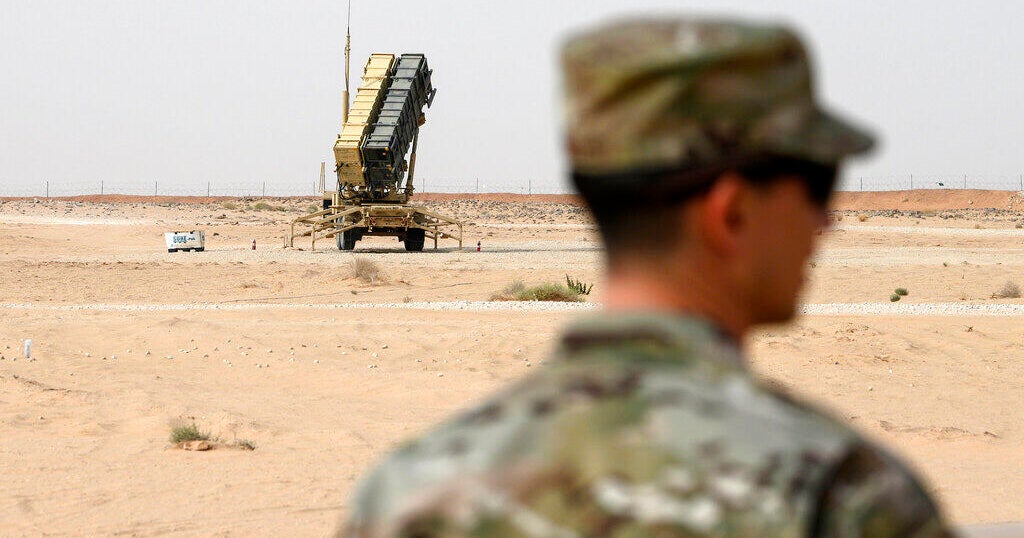
Prince Sultan Air Base holds particular importance in the regional security architecture that the United States has established in the Middle East. Located in Saudi Arabia, America’s longstanding ally in the region, the base serves as a crucial hub for American military operations, intelligence gathering, and rapid response capabilities. The facility provides the U.S. military with essential strategic positioning in a region characterized by complex and often hostile relationships between various state and non-state actors. By targeting this specific installation, Iranian forces sent a clear message about their ability to strike at significant American assets, even those located within allied territory and presumably protected by multiple layers of defensive systems. The attack raises difficult questions about the effectiveness of current defensive measures at American installations throughout the region and whether additional protections are necessary to safeguard personnel. It also highlights the vulnerability of fixed military installations to modern weapons systems, particularly the combination of missiles and drones that can overwhelm or evade traditional defensive measures. For Saudi Arabia, the attack represents an uncomfortable reminder that hosting American military facilities makes the kingdom itself a potential target for Iranian retaliation.
Evolving Tactics and Regional Implications
The use of both missiles and drones in this attack reflects the evolution of Iranian military tactics and the increasing sophistication of their weapons programs. Drones, in particular, have emerged as a preferred tool for Iranian forces and their regional proxies because they’re relatively inexpensive to produce, difficult to detect and intercept, and can be deployed with minimal risk to the attacking forces. When combined with traditional missiles in coordinated strikes, these weapons systems pose a formidable challenge to defensive forces, as they must simultaneously respond to threats approaching at different speeds, altitudes, and trajectories. This incident will likely prompt American military planners to reassess defensive strategies at installations throughout the region, potentially leading to requests for additional defensive systems, enhanced early warning capabilities, or even reconsideration of troop deployments. The attack also carries implications for regional dynamics beyond just the U.S.-Iran relationship. Saudi Arabia finds itself increasingly caught between its alliance with America and the practical reality of Iranian military capabilities that can strike targets within Saudi territory. Other regional allies hosting American forces, including Iraq, Kuwait, the United Arab Emirates, and Jordan, are undoubtedly watching this incident closely and evaluating their own vulnerabilities and the risks associated with American military presence on their soil.
Looking Ahead: Uncertainty and Ongoing Developments
As this remains a developing story with information continuing to emerge, many critical questions remain unanswered. Military officials and government spokespersons will likely provide additional details about the attack in the coming hours and days, including more specific information about the timing of the assault, the exact types of weapons used, the extent of damage to facilities and equipment at Prince Sultan Air Base, and the current condition of the wounded service members. Families of American personnel stationed in the region are likely experiencing anxiety as they await confirmation that their loved ones are safe. The Pentagon and Central Command will face difficult decisions about how to respond to this attack—whether through diplomatic channels, enhanced defensive measures, or potential military retaliation. Any response must balance the need to protect American personnel and demonstrate resolve against the risk of further escalation that could spiral into broader regional conflict. For the two very seriously injured service members, their families face an agonizing wait for medical updates and the beginning of what may be long recovery processes. For the eight seriously injured personnel, similar concerns apply, though hopefully with somewhat more optimistic prognoses. As Americans go about their daily lives, it’s worth pausing to remember that service members continue to face genuine dangers in distant parts of the world, carrying out missions that most citizens will never fully understand or appreciate. This attack serves as a sobering reminder that the conflicts and tensions that occasionally make headlines represent ongoing realities for the men and women who volunteer to serve in uniform, putting themselves in harm’s way to advance American interests and protect American security. The coming days will reveal more about this specific incident, but the broader challenge of managing tensions with Iran while protecting American personnel will remain a central concern for military and civilian leaders for the foreseeable future.