



The Great Chocolate Heist: 12 Tons of KitKat Bars Vanish Before Easter
A Sweet Crime That’s Left Everyone Wanting More
In what sounds like a plot straight out of a quirky heist movie, thieves have pulled off an audacious candy caper that’s left chocolate lovers across Europe potentially facing empty shelves this Easter. A massive truck carrying 12 tons of Nestle’s iconic KitKat bars—that’s over 413,000 individual chocolate bars—has disappeared without a trace during its journey across Europe. The Swiss food giant confirmed the theft on Saturday, revealing that the shipment vanished somewhere between Italy and Poland last week. What makes this story even more remarkable is the sheer scale of the operation: we’re talking about a truck packed to the brim with enough chocolate to satisfy hundreds of thousands of sweet-toothed customers. The timing couldn’t be worse, as Easter represents one of the biggest chocolate-buying seasons of the year, when families stock up on treats for egg hunts and holiday celebrations. Nestle’s spokesperson even injected some humor into the unfortunate situation, noting with a wink that while the company has always encouraged people to “have a break” with KitKat—referencing their famous advertising slogan—it appears these particular thieves took that message a bit too literally and made off with an entire truckload for their own “break.”
From Factory to Phantom: Tracing the Chocolate’s Journey
The stolen shipment was part of Nestle’s new chocolate range and had departed from a factory located in central Italy, destined for distribution centers in Poland. This route spans hundreds of miles across European highways, passing through multiple countries and representing a critical link in the supply chain that keeps store shelves stocked with everyone’s favorite four-fingered chocolate wafer bars. Somewhere along this journey, the entire truck—vehicle and all—simply vanished into thin air. According to Nestle’s statement, both “the vehicle and its contents remain unaccounted for,” suggesting that investigators are still scrambling to figure out exactly where and how this brazen theft occurred. Was it a carefully planned operation with inside information about the shipment’s route and timing? Did the thieves target this specific truck knowing it carried valuable chocolate cargo, or was it an opportunistic crime? These questions remain unanswered as authorities work to piece together what happened. The fact that an entire 12-ton truck could disappear highlights both the sophistication of the theft and the challenges facing companies that transport high-value goods across international borders where jurisdiction can become complicated and tracking systems may have gaps.
Easter Egg Hunt Turns into Chocolate Hunt for Shoppers
The immediate concern for consumers and retailers alike is what this theft means for Easter shopping. Nestle has warned that the missing chocolate bars will likely create shortages on store shelves across Europe, leaving customers potentially unable to find their favorite KitKat varieties during one of the peak chocolate-buying periods of the year. Easter is traditionally second only to Halloween in terms of candy sales, and KitKat bars are a staple of Easter baskets and celebrations throughout Europe. With 413,793 units now missing from the supply chain, retailers who were expecting these deliveries to stock their shelves are left scrambling for alternatives. Parents planning Easter egg hunts and people buying treats for family gatherings may find themselves facing disappointing gaps where their preferred chocolate brands should be. This shortage could drive up prices on available stock as demand outstrips supply, and it may push frustrated shoppers toward competing chocolate brands that still have adequate inventory. The ripple effects of this theft extend beyond just inconveniencing chocolate lovers—it represents lost revenue for Nestle, logistical headaches for distributors, and potential sales impacts for retailers who’ve advertised Easter promotions featuring products they can no longer guarantee will be available.
The Black Market Chocolate Trade: Where Did All Those KitKats Go?
One of Nestle’s biggest concerns is that these stolen chocolate bars won’t simply disappear but will instead flood into “unofficial sales channels across European markets.” This essentially means a black market for chocolate, where the stolen goods might be sold through informal networks, online marketplaces, small shops that don’t ask too many questions about their suppliers, or even exported to regions where tracing becomes virtually impossible. The chocolate could be sold at discount prices that undercut legitimate retailers, depriving both Nestle and authorized sellers of revenue while potentially funding criminal operations. There’s also a quality control concern—these products, while originally genuine, are now outside the company’s distribution system, meaning there’s no guarantee they’ve been stored properly or that they haven’t passed their optimal consumption dates by the time they reach consumers. The chocolate industry has increasingly become a target for organized crime because the products have high value, ready markets, and relatively low risk compared to other contraband. Stolen food products can be difficult to trace once they enter the secondary market, especially when they’re broken down from large shipments into smaller quantities that blend in with legitimate inventory at various retail outlets.
Technology to the Rescue: How Batch Codes Might Crack the Case
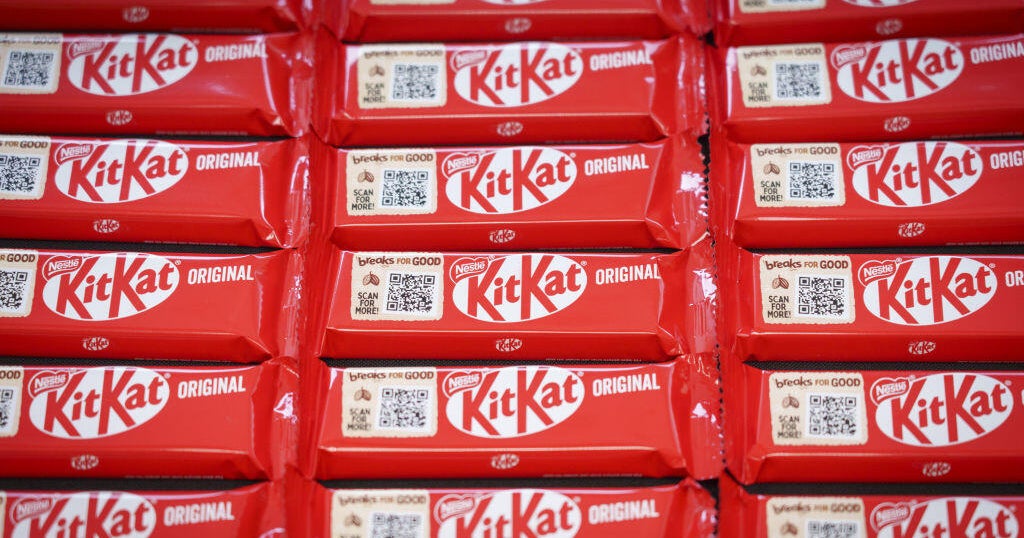
In what might be the thieves’ undoing, Nestle has revealed that they have a technological ace up their sleeve in the form of unique batch codes printed on each individual chocolate bar. These codes act like fingerprints for the products, allowing them to be traced back to this specific stolen shipment. According to the company’s statement, anyone who scans these batch codes—whether they’re retailers receiving suspicious inventory, authorities investigating leads, or even consumers who happen to check their purchases—will receive clear instructions on how to alert KitKat about the discovery. This scanning technology represents the modern evolution of supply chain management and anti-theft measures, where every product can potentially be tracked from factory to consumer. If these stolen chocolate bars do start appearing in unauthorized sales channels, there’s a chance that someone along the chain will scan them and inadvertently reveal where the stolen goods ended up. This could provide investigators with crucial leads about the theft’s perpetrators and the distribution networks they’re using. However, the effectiveness of this tracking system depends on people actually scanning the codes, which many consumers and even some smaller retailers might not routinely do. The thieves might also attempt to remove or alter the packaging to eliminate these identifying markers, though doing so with over 400,000 individual bars would be an enormous undertaking.
The Investigation Continues: Piecing Together a Chocolate Mystery
As this sweet saga unfolds, Nestle has confirmed that investigations are ongoing in close collaboration with local authorities and supply chain partners across the affected regions. Law enforcement agencies in Italy, Poland, and likely several countries in between are working to reconstruct the truck’s route and identify where the theft occurred. They’re probably examining highway surveillance footage, interviewing employees at both the departure and intended destination locations, and checking with weigh stations and border crossings that the truck should have passed through. Supply chain partners—the logistics companies, warehouse operators, and transportation firms involved in moving products from factories to stores—are also providing information about their tracking systems and any anomalies they detected. In today’s world of GPS tracking and electronic logging devices, a 12-ton truck doesn’t simply vanish without leaving some digital footprint, which investigators are undoubtedly trying to follow. The case highlights the ongoing challenges facing international commerce, where goods worth millions cross borders daily, creating opportunities for sophisticated criminal operations. For Nestle, this incident is both a financial loss and a reputational challenge, as they work to reassure customers that their supply chain is secure while also being transparent about this significant theft. As Easter approaches and chocolate lovers across Europe check their local store shelves, this chocolate heist serves as a reminder that sometimes reality is stranger—and sweeter—than fiction.