


Tragedy Strikes Rhode Island Ice Rink: A Community in Mourning
A Peaceful Afternoon Shattered by Violence
What should have been an ordinary Monday afternoon filled with the sounds of skates gliding across ice and families cheering on young athletes turned into a nightmare that a Rhode Island community will never forget. Around 2:30 in the afternoon, the Dennis M. Lynch Arena in Pawtucket became the scene of a horrific shooting that left two people dead and three others fighting for their lives. The ice rink, located just five miles from Providence, is typically a place where families gather, children learn to skate, and youth hockey teams practice their skills. On this day, however, the crack of gunfire replaced the familiar sounds of athletic competition, sending players, parents, and spectators scrambling for safety. According to Pawtucket Police Chief Tina Goncalves, the incident appears to have been a targeted attack rather than a random act of violence, stemming from what investigators believe was a family dispute that escalated to deadly proportions.
The Suspect and the Devastating Aftermath
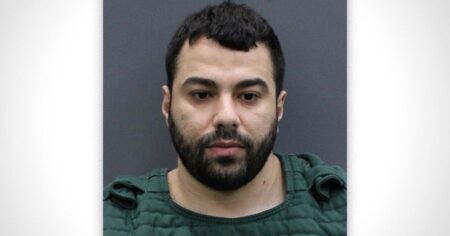
The person responsible for this tragedy was identified as Robert Dorgan, a 56-year-old individual who also went by the name Roberta Esposito. After unleashing violence upon his intended targets, Dorgan took his own life at the scene with a self-inflicted gunshot wound, bringing the rampage to an end but leaving behind unimaginable pain and trauma for everyone present. The fact that authorities identified the shooter as using multiple names adds another layer of complexity to an already heartbreaking situation. Beyond the two victims who lost their lives, three additional people suffered gunshot wounds and were rushed to a local hospital where they remained in critical condition as of Monday night. Families of these victims now face an agonizing wait, hoping and praying that their loved ones will pull through. The emergency response was swift, with law enforcement and medical personnel converging on the scene to provide aid and secure the area, but nothing could undo the violence that had already unfolded.
A Family Dispute Turned Deadly
What makes this tragedy particularly painful is that it appears to have stemmed from relationships that should have been sources of love and support. Chief Goncalves described the shooting as “family-related,” suggesting that the violence erupted from a dispute among people who knew each other well—possibly even people who once cared for one another. The exact nature of the family conflict hasn’t been fully disclosed, but investigators have indicated that not only family members were involved but also a family friend was somehow caught up in the dispute. This transforms the tragedy from a random act of violence into something far more personal and devastating—a reminder that sometimes the greatest dangers come not from strangers but from fractured relationships within our own circles. The fact that this dispute reached such a violent conclusion in a public space filled with children and families adds another dimension of horror to the event. Whatever grievances or conflicts existed, they should never have been brought into a community space where young people gather to enjoy sports and recreation.
An Act of Heroism Amid the Horror
In the midst of unspeakable violence and chaos, one person’s courage may have prevented an even greater catastrophe. Chief Goncalves revealed that a Good Samaritan—an ordinary person who found themselves in an extraordinary and terrifying situation—stepped forward to intervene. This brave individual attempted to subdue the shooter, an act of remarkable courage that “kept the incident from getting possibly worse,” according to the police chief. While we may never know exactly how many additional lives this person’s actions may have saved, their willingness to put themselves in harm’s way to protect others represents the very best of human nature in the face of the very worst. This unnamed hero joins the ranks of countless others who, when confronted with violence and evil, choose to act rather than flee, to protect rather than preserve only their own safety. Their actions remind us that even in our darkest moments, there are people among us willing to stand up for others, to risk everything to make a difference. As the community processes this trauma, this act of bravery offers at least a small measure of comfort—proof that goodness and courage still exist even when evil seems to prevail.
Law Enforcement Response and Investigation
The response to this shooting was immediate and comprehensive, involving multiple levels of law enforcement. Local Pawtucket police were first on the scene, quickly followed by state authorities and federal agents. FBI Director Kash Patel issued a statement confirming that the FBI had responded to the scene and would provide state and local law enforcement with whatever resources they needed for the investigation. The FBI also sought to reassure the public, stating there was “no imminent threat to public safety”—an important message for a community naturally fearful that additional violence might follow. The presence of federal investigators alongside local police demonstrates the seriousness with which authorities are treating this incident, even though the shooter is no longer a threat. Investigators will be working to piece together exactly what happened, establishing a clear timeline of events, understanding the relationships between the shooter and the victims, and determining whether there were any warning signs that might have been detected or intervention points that were missed. These answers won’t bring back the lives lost or heal the wounded, but they may provide some understanding and perhaps prevent future tragedies.
A Community Coming Together in Grief
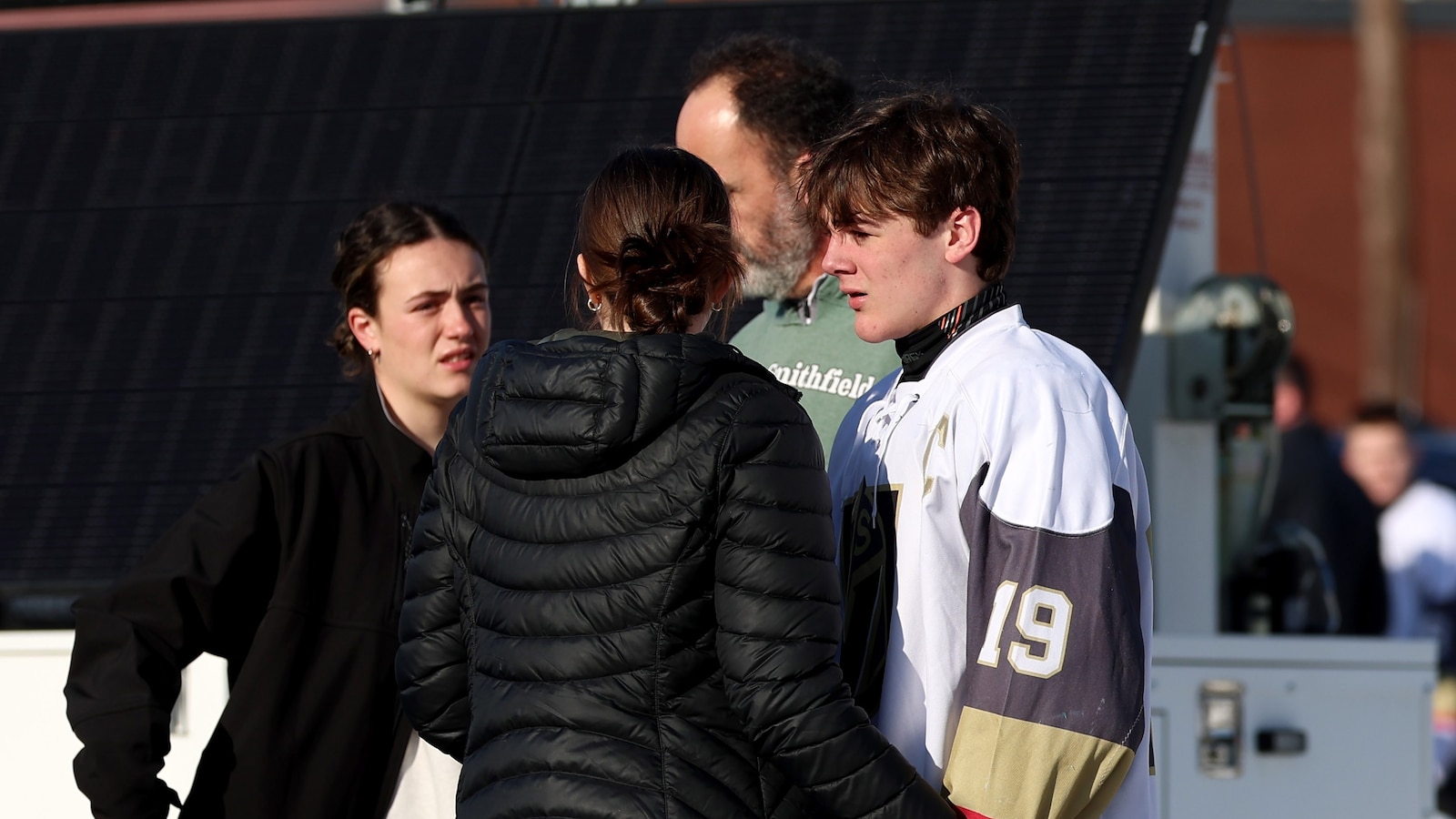
The ripple effects of this violence extended far beyond those directly shot. The superintendent of one of the schools whose team was playing at the arena at the time of the shooting sent a message to anxious parents, assuring them that all students on the team were physically safe—though the psychological impact of witnessing such violence will likely last far longer than any physical injuries. Rhode Island Governor Dan McKee took to social media to express his concern, writing, “I am praying for Pawtucket and everyone involved,” a sentiment that echoed throughout the state and beyond. The image of parents and players congregating near the arena in the aftermath, as captured by photographers on the scene, tells a story of a community in shock, trying to process the incomprehensible. These were people who had come to watch a hockey game, to support young athletes, to enjoy a normal winter afternoon—and instead found themselves living through a nightmare. In the days and weeks ahead, this community will need to come together to support the victims’ families, to provide counseling for those who witnessed the violence, and to begin the long process of healing. The Dennis M. Lynch Arena, which should be a place of joy and community connection, will forever be marked by this tragedy, but how the community responds—how they support one another, remember the victims, and work to prevent future violence—will ultimately define this moment in their history.