


The Coming Wave of Automation: How Robots Will Transform America’s Workforce
A Fifth of American Jobs Face Automation Within Two Decades
The American workplace is standing at the edge of a technological revolution that could fundamentally reshape how we work and what jobs look like in the future. According to a comprehensive analysis by Oxford Economics, an investment advisory firm, approximately 20% of all jobs in the United States could be replaced by robots and automation technologies over the next twenty years. This isn’t some far-off science fiction scenario—the technology capable of performing most or all functions currently handled by human workers already exists and is commercially available today. What makes this shift particularly significant is that these vulnerable positions aren’t scattered randomly across the economy. Instead, they’re concentrated heavily in specific sectors where automation could transform entire industries. The researchers examined over 800 different occupations to reach their conclusions, evaluating each job based on its functions and comparing those tasks against available technology that could potentially perform the same work. While this might sound alarming at first, the reality is more nuanced than simply millions of workers losing their jobs overnight. The transformation will be gradual, incremental, and accompanied by new opportunities that don’t exist today.
Transportation and Logistics Lead the Vulnerability Rankings
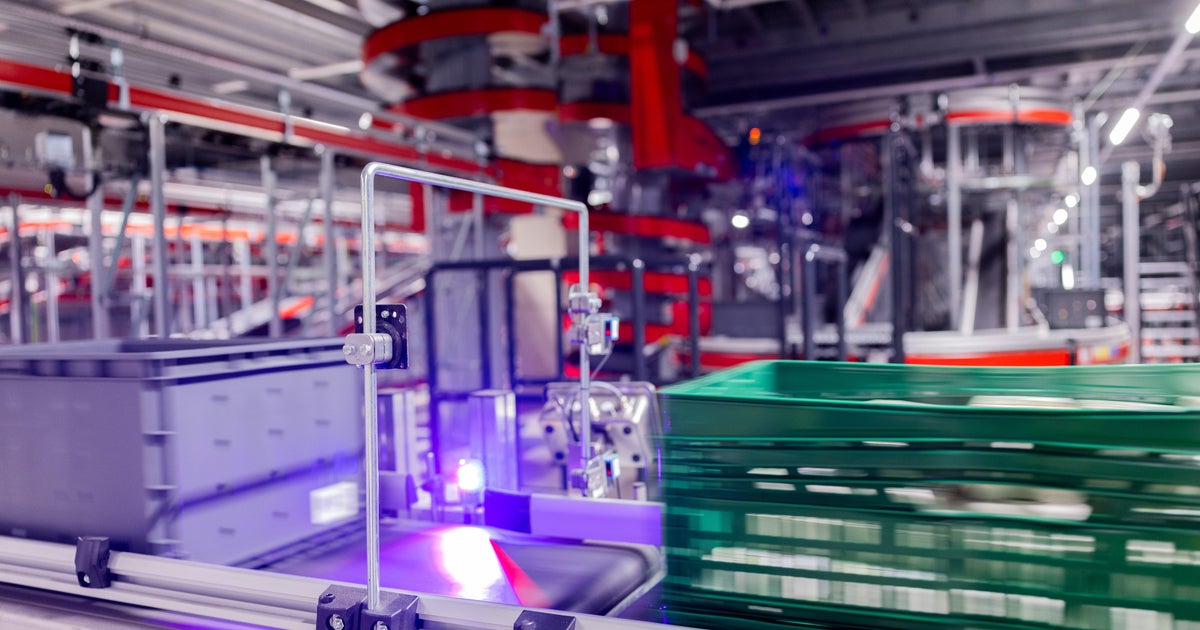
When you think about which jobs might be most at risk from automation, transportation and logistics should be at the top of your list. According to Oxford Economics’ research, a staggering 60% of jobs in this sector have the potential to be automated over the next two decades, making it the most vulnerable industry to technological replacement. The report specifically highlights technologies that have already moved beyond the research and development phase and are now in the scaling-up stage—think self-driving vehicles and warehouse automation systems. These aren’t experimental concepts anymore; they’re becoming commercial realities. Amazon’s warehouses, for instance, already employ thousands of robots working alongside human employees, and autonomous vehicle technology continues to advance rapidly. The concentration of vulnerable jobs in this sector is particularly notable because transportation and logistics employ millions of Americans, from truck drivers and delivery personnel to warehouse workers and inventory managers. Following closely behind transportation and logistics, several other sectors face significant automation potential: manufacturing, which has already seen decades of gradual automation; accommodation and catering, where self-service technologies are becoming increasingly common; retail, with its growing reliance on automated checkout systems; wholesale trade; and extraction industries.
The Hidden Vulnerability of Service Sector Jobs
One of the more surprising findings from the Oxford Economics report is just how vulnerable certain service sector positions might be to automation—jobs that most people would assume require an essentially human touch. Nico Palesch, the senior economist who authored the report, points out that the public conversation has largely focused on how artificial intelligence might impact white-collar office workers, while the potential for humanoid robots to transform physical service work has received less attention. Consider the hotel and catering industry, for example. At first thought, hospitality seems like a field that would always need human workers to provide that warm, personal touch that makes guests feel welcome. However, the reality is already shifting beneath our feet. Self-service kiosks are increasingly handling hotel check-ins, allowing guests to bypass the front desk entirely. In hotels across the world, robotic systems are beginning to take over certain housekeeping functions, from delivering towels and amenities to rooms to vacuuming and cleaning. Restaurants are implementing similar changes, with ordering kiosks replacing traditional cashiers and automated systems handling various food preparation tasks. These changes don’t happen all at once—no restaurant fires all its cashiers on a single day and replaces them wholesale with machines. Instead, the transformation is gradual: establishments simply stop hiring as many cashiers as they once did, allowing natural attrition to slowly shift the workforce composition.
Understanding What Vulnerability Actually Means
It’s crucial to understand what economists mean when they say a job is “vulnerable” to automation, because the term doesn’t necessarily predict immediate or complete job loss. Palesch emphasizes that vulnerability to automation doesn’t suggest an “imminent jobs collapse or productivity boom” is right around the corner. The process is incremental and ongoing rather than sudden and catastrophic. Just because technology exists that could theoretically replace a human worker doesn’t mean that replacement will happen immediately—or even at all in some cases. There are numerous factors beyond mere technological capability that influence whether automation actually occurs. These include the cost of implementing new technology versus continuing to employ human workers, regulatory frameworks that might slow adoption, cultural resistance to removing human elements from certain services, and the practical challenges of integrating new systems into existing business operations. Furthermore, many jobs that seem vulnerable to complete automation might instead see a transformation where certain tasks become automated while others remain firmly in human hands. A retail worker might no longer need to operate a cash register, but could focus more energy on helping customers find products, providing expert advice, or handling complex customer service situations that require empathy and problem-solving skills that machines can’t replicate.
The Economic Optimism: New Jobs From New Technologies
While the prospect of widespread automation might seem threatening, many economists maintain a fundamentally optimistic view about the long-term economic impact. Their confidence rests on historical precedent and basic economic principles about how productivity gains typically function in market economies. When automation increases productivity—allowing businesses to produce more goods or services with fewer resources—the cost savings and efficiency gains often lead to business expansion, which creates new jobs even as some old positions disappear. Palesch offers a concrete example of how this might work in practice: imagine a restaurant that implements automation for its cashier functions. The money saved and efficiency gained might allow that restaurant to open additional locations. Workers who previously worked as cashiers could be reassigned to kitchen positions or customer service roles, enabling the expanded business to serve more customers overall. The result isn’t necessarily fewer total jobs, but rather a shift in what kinds of jobs exist and what functions workers perform. Perhaps more importantly, the rise of automation itself creates entirely new categories of work that don’t exist today. Someone needs to design these robots and automated systems. Engineers must build them. Technicians must maintain and repair them when they break down. Workers need training on how to operate alongside automated systems. Companies need specialists who can integrate new technologies into existing workflows.
Preparing for an Automated Future
The Oxford Economics report ultimately paints a picture not of technological unemployment apocalypse, but of gradual transformation that will require thoughtful preparation and adaptation. The demand for human work isn’t going to disappear; it’s going to evolve. This evolution presents both challenges and opportunities for workers, employers, educators, and policymakers. For individual workers, the message is clear: adaptability and continuous learning will become increasingly valuable skills. Jobs that combine technical knowledge with uniquely human capabilities—creativity, emotional intelligence, complex problem-solving, and interpersonal skills—will likely prove most resilient to automation. For educators and training institutions, the imperative is to prepare students and workers for this shifting landscape, emphasizing skills that complement rather than compete with automation. For businesses, the challenge lies in managing the transition thoughtfully, considering not just the technological possibilities but also the human impacts of automation decisions. And for policymakers, the question becomes how to facilitate beneficial technological progress while supporting workers and communities through the transition, potentially through education initiatives, safety net programs, or policies that encourage job creation in emerging sectors. The next twenty years will undoubtedly bring significant changes to the American workplace, but if history is any guide, human ingenuity and adaptability will continue to find new ways to create value and meaningful work, even as machines take over an increasing share of routine tasks.