


Commerce Secretary Howard Lutnick Faces Questions About Jeffrey Epstein Connection
A Powerful Figure Under Scrutiny
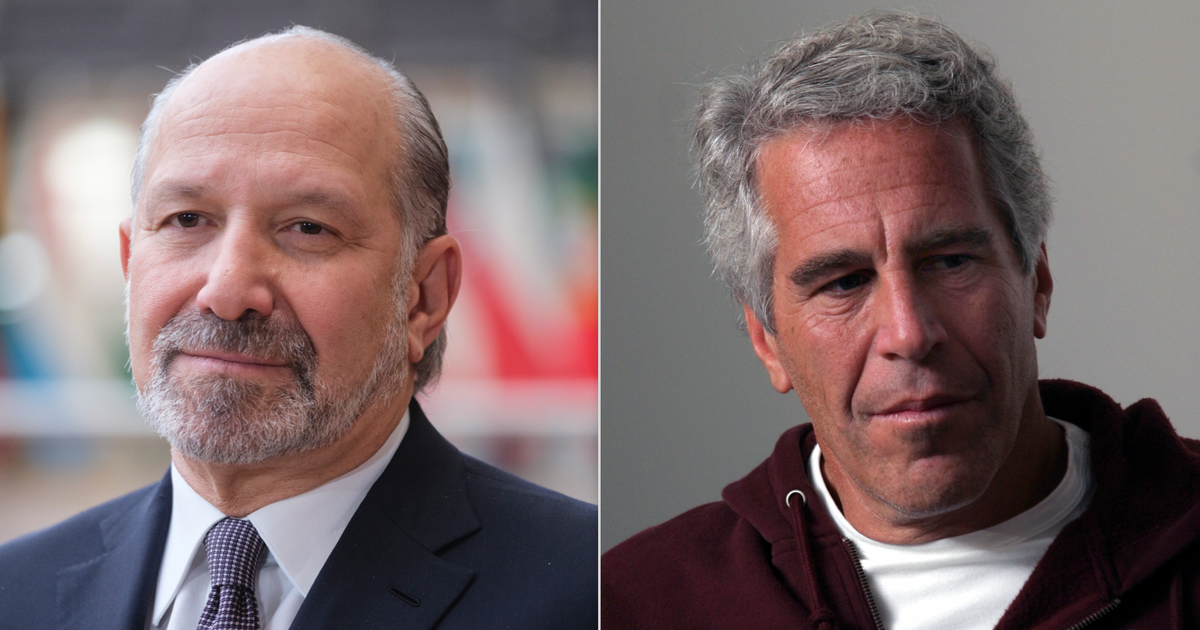
Commerce Secretary Howard Lutnick stepped into the spotlight on Wednesday for what many are calling an uncomfortable but necessary reckoning. He appeared before the House Oversight Committee for a closed-door deposition, part of an ongoing investigation into the late financier Jeffrey Epstein’s sprawling network of powerful connections. Unlike some witnesses who have been compelled to testify, Lutnick’s appearance was voluntary, though the questions he faced were no less pointed. This testimony comes at a critical time, as the committee continues to peel back layers of Epstein’s relationships with influential figures across business, politics, and society. For Lutnick, a man who has built his reputation on Wall Street and now serves in a prominent cabinet position, the scrutiny represents a significant challenge to his public image and professional standing.
What the Epstein Files Revealed
The investigation has been fueled by a massive trove of documents—more than 3 million pages known collectively as the Epstein files—that have exposed uncomfortable truths about many prominent individuals. These files have become a window into Epstein’s world, revealing not just the extent of his crimes but also the breadth of his social and business connections. For Lutnick specifically, the documents painted a picture considerably more complex than he had previously acknowledged. The files show that Epstein and Lutnick were business partners as recently as 2014, both investing in an advertising company called Adfin, which has since gone out of business. Perhaps more significantly, the documents revealed that in 2012, Lutnick, along with his wife Allison and their children, visited Little St. James—Epstein’s notorious private Caribbean island that would later become synonymous with abuse and exploitation. An undated photograph from the files even shows Lutnick among a group of men on what appears to be Epstein’s island. These revelations directly contradicted Lutnick’s previous statements about the nature and timeline of his relationship with the disgraced financier.
A Relationship Lutnick Tried to Downplay
Before the Epstein files became public, Howard Lutnick, who served as chairman of the financial services firm Cantor Fitzgerald, had maintained a very different narrative about his connection to Epstein. He claimed he had cut off all contact with the financier back in 2005—a full three years before Epstein entered a guilty plea to state prostitution charges in Florida. This timeline, if true, would have positioned Lutnick as someone who distanced himself from Epstein before the full extent of the financier’s crimes became public knowledge. However, the documentary evidence tells a different story. The two men were neighbors in New York City for years, living next door to each other in one of the city’s most exclusive areas. Even more telling, email exchanges between the two continued as late as 2018—the year before Epstein’s death in jail while awaiting trial on federal sex trafficking charges. These emails discussed their mutual investment in Adfin and also touched on a planned museum expansion near their adjacent homes, suggesting an ongoing relationship that extended far beyond 2005 and encompassed both business and neighborhood matters.
Senate Testimony and Awkward Admissions
During his Senate confirmation hearing in February, Lutnick attempted to minimize his relationship with Epstein, using language that now seems carefully chosen but ultimately insufficient given what the files revealed. “I barely had anything to do with that person,” Lutnick testified, referring to Epstein in a way that seemed designed to create maximum distance. Yet even during that testimony, he was forced to acknowledge the 2012 visit to Epstein’s island—a fact that was apparently already known or about to become public. His explanation of that visit emphasized the family nature of the trip and the brevity of their time on the island. “We had lunch on the island, that is true, for an hour. Then we left with all of my children, with my nannies and my wife all together,” Lutnick explained. He stressed that the family was together throughout the visit, stating, “We were on family vacation. We were not apart. To suggest there was anything untoward about that in 2012, I don’t recall why we did it. But we did.” His testimony seemed designed to preempt accusations while acknowledging an undeniable fact, but the defensive tone and the admission that he couldn’t recall why they visited raises questions about judgment and truthfulness.
A Parade of Powerful Witnesses
Lutnick’s appearance is just the latest in what has become a months-long procession of prominent and powerful individuals summoned to testify before the House Oversight Committee. The investigation has cast a wide net, pulling in figures from various spheres of American public life, many of whom have faced embarrassing revelations as their connections to Epstein have been laid bare. Just a week before Lutnick’s testimony, the committee announced that former Attorney General Pam Bondi had agreed to testify later in the month. Bondi’s appearance was originally scheduled for April 14, but was postponed after the Justice Department cancelled her deposition following her removal from office. The witness list reads like a who’s who of American power and influence. Former President Bill Clinton has appeared before the committee, as has former Secretary of State Hillary Clinton, both forced to answer questions about their interactions with Epstein. Billionaire businessman Les Wexner, who had extensive financial ties to Epstein and gave him power of attorney over his affairs, has also testified. Even the executors of Epstein’s estate have been called to provide information about how the financier’s wealth was managed and distributed after his death.
The Broader Implications and Continuing Investigation
The ongoing investigation represents more than just an examination of one man’s crimes; it has become a broader inquiry into how powerful people and institutions enabled, ignored, or failed to act against Epstein’s decades-long pattern of abuse. Each testimony and each revelation from the files adds another piece to a disturbing puzzle about wealth, power, and accountability in America. For individuals like Lutnick, the investigation poses difficult questions: What did they know and when? Why did they maintain relationships with Epstein even after warning signs emerged? And what does their association with him say about their judgment and values? The committee’s work also raises important questions about how thoroughly the connections between Epstein and powerful figures were investigated in the past, and whether a culture of protecting the elite allowed his crimes to continue for so long. As more witnesses testify and more documents are analyzed, the American public is getting an unprecedented look at how the very wealthy and powerful operate—the social circles they travel in, the business deals they make, and the ways they sometimes close ranks to protect their own. For Lutnick, serving in a high-profile cabinet position while facing questions about his relationship with a convicted sex offender and accused sex trafficker, the stakes couldn’t be higher. His Wednesday testimony, though conducted behind closed doors, will likely shape public perception of his fitness for office and could have implications for his political future and professional reputation for years to come.