

FBI Purge: Mass Terminations Follow Trump Document Investigation
A Rapid Series of Dismissals Rocks the Bureau
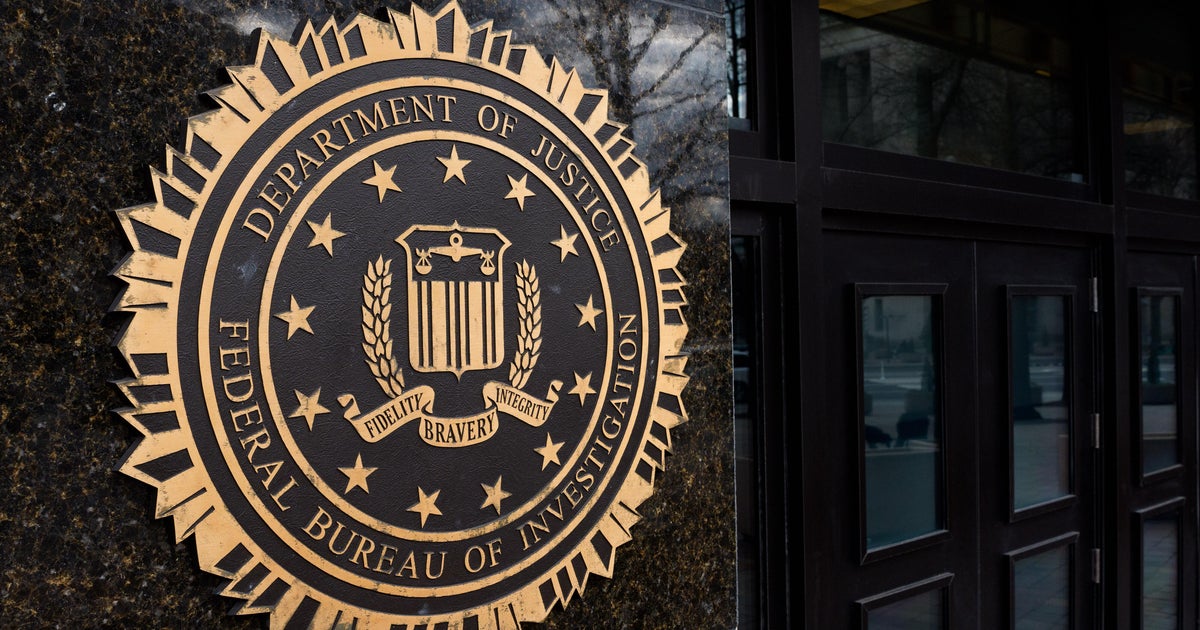
The Federal Bureau of Investigation experienced an unprecedented wave of terminations this week, with FBI Director Kash Patel orchestrating the firing of approximately a dozen employees over just two days. The dismissals, which began Wednesday and continued through Thursday, primarily targeted agents, analysts, and support staff who had been involved in former special counsel Jack Smith’s investigation into President Donald Trump’s handling of classified documents. These sudden terminations have sent shockwaves through the law enforcement community and raised serious questions about the politicization of federal agencies. The FBI Agents Association was quick to condemn these actions, pointing out that the affected employees were dismissed without receiving any form of due process—a concerning departure from standard employment procedures that typically govern federal personnel matters.
The Catalyst: Phone Record Subpoenas Spark Controversy
The catalyst for this dramatic purge appears to be Patel’s allegation that Jack Smith had crossed legal boundaries during his investigation by subpoenaing phone records belonging to Patel himself and Susie Wiles, Trump’s current chief of staff, during a time when both were private citizens. In a statement released to Reuters on Wednesday, Patel characterized Smith’s actions as overreach, claiming the former special counsel had “secretly subpoenaed his phone records using flimsy pretexts and burying the entire process in prohibited case files designed to evade all oversight.” Interestingly, Patel never elaborated on what these “flimsy pretexts” actually were, leaving the public and legal experts to speculate about the specific concerns he was raising. The phone records in question are what investigators call “toll records”—metadata that shows the originating and recipient phone numbers, along with the date, time, and duration of calls, but crucially, not the actual content of conversations. In criminal investigations, it’s actually standard practice for law enforcement to obtain such records through grand jury subpoenas, as they help investigators piece together timelines, establish connections between individuals, and verify information that might be relevant to their cases.
The Background: From National Archives to Criminal Investigation
To understand how we arrived at this point, it’s important to look back at the events that led to Jack Smith’s investigation in the first place. After President Trump left office in January 2021, the National Archives and Records Administration made repeated attempts to recover sensitive White House documents that should have been turned over according to federal law. When these efforts proved unsuccessful, the Justice Department—operating under the Biden administration—took the extraordinary step of executing a search warrant at Trump’s Mar-a-Lago estate in August 2022. That search uncovered numerous White House files, some bearing classification markings including “Top Secret,” the highest level of classification in the U.S. government system. Trump has consistently maintained that his possession of these documents was entirely lawful, and he has publicly claimed that during the final days of his first presidency, he declassified some of the material that had previously been classified. Kash Patel, who held positions in Trump’s first administration, was specifically designated by Trump to serve as a representative to the National Archives and Records Administration. Patel himself became a witness in the case, testifying before a grand jury in November 2022, and he later claimed in an interview with Breitbart News that he had personally been present when Trump declassified the materials in question.
Historic Charges and Their Dismissal
Jack Smith’s investigations represented a watershed moment in American legal history, resulting in the first federal criminal indictments ever brought against a former U.S. president. The gravity of charging a former commander-in-chief with federal crimes cannot be overstated—it was a decision that Smith and the Justice Department did not take lightly, given the profound constitutional and political implications. However, these historic charges didn’t survive long in the court system. In mid-2024, a federal judge in Florida dismissed the classified document charges entirely, ruling that Smith himself had been unlawfully appointed to his position as special counsel. This legal reasoning essentially invalidated the foundation upon which the entire prosecution rested. Smith also brought charges related to Trump’s actions surrounding the 2020 election, but those charges became moot when Trump won the 2024 presidential race. Facing the longstanding Justice Department policy against prosecuting a sitting president, Smith dropped the election-related charges, bringing both of his investigations to an end before they could reach trial.
Retaliation Against Investigators
Since returning to office, the Trump administration has systematically targeted federal employees who played roles in the investigations against him. The current wave of FBI terminations is just the latest chapter in this ongoing effort to purge those who were involved in what Trump and his allies view as politically motivated prosecutions. The Justice Department has already fired a group of prosecutors who worked directly on Jack Smith’s team, and FBI agents who were part of the Arctic Frost investigation—the codename for the probe into election interference—have also lost their jobs. This pattern of retaliatory dismissals has alarmed civil liberties advocates, legal scholars, and career government employees who worry about the precedent being set. The concern isn’t simply about these specific cases, but about what message these actions send to future federal law enforcement officials: that conducting investigations into powerful political figures, even when following proper procedures and legal authority, could cost you your career if that political figure regains power. The FBI Agents Association’s statement condemning the lack of due process underscores these concerns, as it suggests that long-established protections for federal employees are being disregarded in favor of swift political retribution.
Broader Implications for Federal Law Enforcement
The mass terminations at the FBI represent more than just a personnel matter—they raise fundamental questions about the independence of federal law enforcement and the rule of law itself. When investigators can be fired en masse for their participation in legitimate criminal investigations, it creates a chilling effect that may deter future law enforcement officials from pursuing cases that could be politically sensitive. The irony is hard to miss: Patel’s justification for the firings centers on his claim that investigators improperly obtained phone records through subpoenas—a routine investigative tool—yet the response has been to fire those investigators without the due process protections that are supposed to safeguard all federal employees. As this situation continues to unfold, the FBI press office has remained silent, not immediately responding to requests for comment about the terminations. This silence may reflect the delicate political position in which the Bureau now finds itself, caught between its institutional obligations to conduct impartial investigations and political pressures from the administration that now controls it. The coming weeks and months will likely reveal whether these firings represent an isolated response to specific concerns about investigative overreach, or whether they’re the opening salvo in a broader campaign to reshape federal law enforcement agencies to be more responsive to political leadership—a transformation that would fundamentally alter the relationship between the executive branch and the supposedly independent agencies charged with enforcing federal law.