


Collision in Antarctic Waters Sparks Controversy Over Krill Fishing
Clash in the Southern Ocean
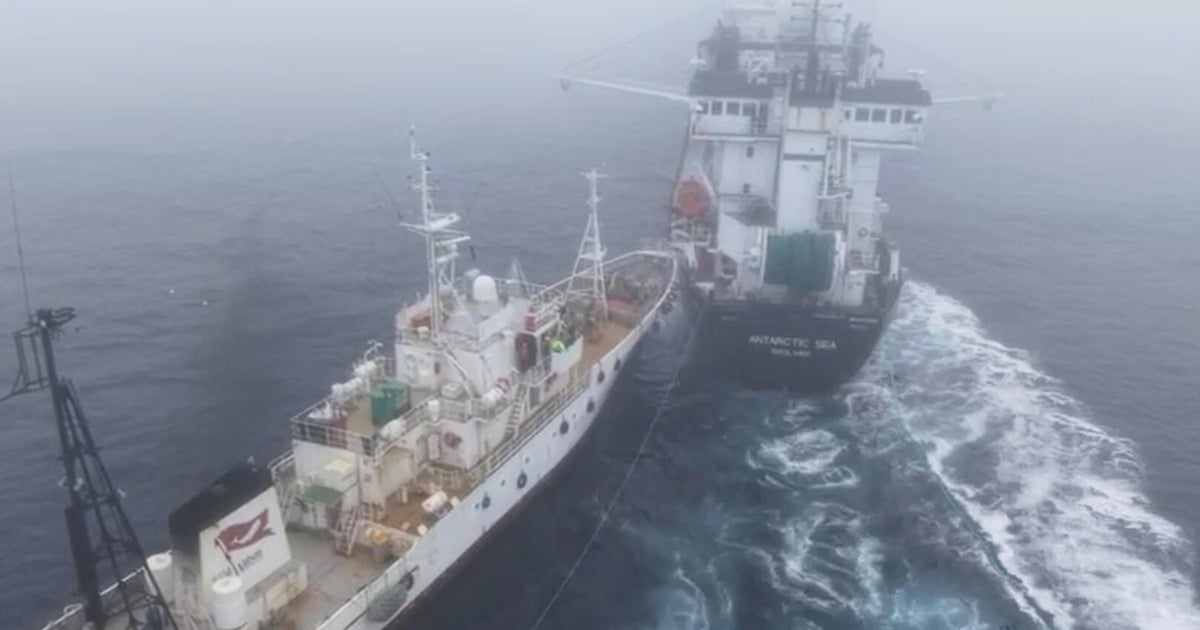
The frigid waters surrounding Antarctica became the scene of a dramatic confrontation this week when an activist vessel deliberately collided with a commercial fishing trawler, raising serious questions about environmental activism, maritime safety, and the future of one of the ocean’s most vital resources. The incident occurred when the M/V Bandero, operated by the Captain Paul Watson Foundation, steamed directly into the Antarctic Sea, a Norwegian-flagged industrial krill trawler owned by Aker QRILL Co. Video footage captured the tense moment as the activist ship slowly approached the fishing vessel’s stern before striking its port side at an angle. What followed was a war of words between the parties involved, with the fishing company calling it a “deliberate attack” that endangered crew members and risked environmental catastrophe, while the activists characterized their actions as “aggressive nonviolence” necessary to protect Antarctic marine life. The collision highlights the increasingly heated battle over Antarctic krill—tiny shrimplike crustaceans that serve as a cornerstone of the Southern Ocean’s ecosystem and a growing target for commercial fishing operations worldwide.
A Near-Disaster That Could Have Devastated Pristine Waters
According to Aker QRILL Co., the collision came dangerously close to causing an environmental disaster in the very waters the activists claim to protect. Company CEO Webjørn Barstad revealed that the Bandero missed striking a diesel tank on the Antarctic Sea by mere centimeters—a hit that could have ruptured the vessel’s fuel storage and caused a devastating oil spill in one of Earth’s most pristine and ecologically sensitive regions. “Our crew were put at risk in some of the most remote waters on Earth, and only luck avoided potential environmental damage,” Barstad stated, emphasizing the gravity of what could have happened. He told Reuters that if the steel plates had been compromised, the resulting spill would have threatened a habitat teeming with whales, seals, penguins, and countless seabirds—all species that depend on the Southern Ocean’s krill population for survival. The multinational crew aboard the fishing vessel, though shaken by the incident, escaped without physical injuries. However, the psychological impact of being deliberately rammed in such isolated waters cannot be understated. Aker announced its intention to pursue all available legal action against those responsible, setting the stage for what could become a landmark case in maritime law and environmental activism.
The Activists’ Perspective: David versus Goliath
The Captain Paul Watson Foundation told a markedly different story about the Tuesday incident, framing it as an “accidental collision” that occurred during what they called legitimate efforts to protect Antarctic wildlife. In their narrative, the crew aboard the Bandero—led by French activist Lamya Essemlali—succeeded in disrupting krill fishing operations for five hours through “direct intervention” against two Aker-owned vessels. The foundation released images showing crew members deploying giant metal devices designed to shred fishing nets, a tactic that underscores the aggressive nature of their campaign, dubbed “Operation Krill Wars.” The activists painted themselves as underdogs in a “stark David-and-Goliath scenario,” with their small ship challenging what they describe as a powerful industrial operation that threatens the Antarctic ecosystem. According to their statement, the crew witnessed penguins, seals, and even a whale in the surrounding waters during the encounter—evidence, they argue, of exactly what’s at stake in these contested fishing grounds. The foundation maintains that krill are being harvested directly from the feeding grounds of these animals and that expanding krill extraction poses a serious threat to the entire Antarctic food chain, which they warn would collapse without this foundational species.
Paul Watson’s Controversial Legacy
The incident cannot be separated from the complicated history of Paul Watson himself, the controversial figure who founded the global Sea Shepherd conservation movement in the 1970s and whose name now graces the foundation operating the Bandero. For decades, Watson has been both celebrated as an environmental hero and condemned as an eco-terrorist, depending on one’s perspective. His tactics have consistently pushed—and often crossed—legal boundaries, earning him a fearsome reputation for ramming vessels and engaging in aggressive confrontations on the high seas that repeatedly landed him behind bars. Most recently, Watson spent five months detained in Greenland in 2024 on a Japanese warrant related to a 2010 incident in which he allegedly ordered the captain of his ship to throw explosives at what Japan described as a whaling research vessel. Denmark ultimately rejected the warrant, and last year Interpol removed its most-wanted designation for Watson over the incident. Watson himself has dismissed the charges as politically motivated, telling CBS News in 2014 that the warrant was merely for trespassing. While the Canadian-American activist has drawn support from Hollywood celebrities and environmental advocates worldwide, his hard-line approach has fractured the movement he created. Affiliates in France and Brazil have rallied behind his newly established Captain Paul Watson Foundation, while Sea Shepherd Global and twenty national affiliates have distanced themselves, focusing instead on watchdog patrols, policy advocacy, and supporting law enforcement in developing countries where illegal fishing is widespread.
The Battle for Antarctic Krill
At the heart of this confrontation lies a resource that most people have never heard of but that plays an outsized role in both ocean ecosystems and human commerce. Antarctic krill are small, shrimplike crustaceans that swarm in massive numbers throughout the Southern Ocean, forming the foundation of the Antarctic food chain. These tiny creatures are the primary food source for whales, seals, penguins, and countless fish species, making them indispensable to the region’s biodiversity. But krill also serve another crucial function: they act as a buffer against global warming by consuming massive amounts of carbon-rich algae and transporting that carbon to the ocean floor through their fecal pellets—a natural carbon sequestration process. Despite their ecological importance, demand for krill has surged in recent years, driven by their use in health supplements (particularly omega-3 oils), fishmeal for aquaculture, and other products. Fishing for Antarctic krill reached record levels last season, prompting authorities to close the fishery early for the first time in history. Aker is the world’s largest krill harvester, responsible for more than half the global catch, making it a prime target for activists who argue that industrial-scale fishing operations are depleting this critical resource faster than it can replenish. The fishery is managed by the Commission for the Conservation of Antarctic Marine Living Resources, an international body composed of 27 nations and the European Union, but activists contend that current regulations are insufficient to protect the ecosystem from commercial pressures.
Legal Aftermath and Uncertain Future
The collision’s legal consequences remain unclear, though an investigation—and potentially criminal prosecution—will likely begin when the Mongolia-flagged Bandero reaches its next port of call. Under international maritime law, vessels have clear obligations to avoid collisions, and overtaking ships bear particular responsibility for staying clear of vessels they’re passing. This legal framework may complicate the activists’ defense, regardless of their stated environmental motivations. The Bandero’s connection to American billionaire John Paul DeJoria, founder of Paul Mitchell hair care products and Patrón tequila (after which the ship is named), adds another layer to the story, highlighting the complex web of funding and support that enables modern environmental activism. As climate change accelerates and commercial pressures on marine resources intensify, incidents like this week’s collision may become more common. The fundamental question remains: where is the line between legitimate environmental protest and actions that endanger human life and potentially harm the very ecosystems activists seek to protect? Both sides claim the moral high ground—the fishing company citing its legal operations under international agreements and the danger posed by the activists’ tactics, while the foundation argues that extraordinary measures are necessary to prevent ecological collapse. What’s undeniable is that Antarctic krill populations face growing pressure from both climate change and commercial exploitation, and the outcome of this confrontation may influence how we balance economic interests with environmental protection in some of Earth’s last wild places.