


Mexico Begins Recovery After Violence Following Drug Lord’s Death
Gradual Return to Normalcy Across Affected Regions
Mexico is slowly finding its footing again after several days of intense violence and chaos that erupted following the death of one of the country’s most notorious drug lords. President Claudia Sheinbaum addressed the nation during a Tuesday press conference, offering reassurance that the worst had passed and normal life was beginning to resume. The president confirmed that all seven roadblocks that had paralyzed parts of the country earlier that morning had been cleared. Flights were taking off again from Guadalajara Airport, and operations at Puerto Vallarta’s airport were steadily picking up pace. Perhaps most significantly for families across the affected states, schools that had been forced to close in Jalisco and Michoacan on Tuesday were expected to reopen the following day. The message from the government was clear: while the situation had been severe, authorities had regained control, and citizens could begin returning to their daily routines with cautious optimism.
The Death of “El Mencho” and Immediate Aftermath
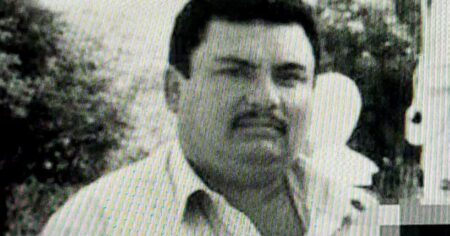
The violence that gripped Mexico stemmed from a military operation that took place on Sunday in Jalisco, resulting in the death of Nemesio Oseguera Cervantes, better known by his fearsome nickname “El Mencho.” As the leader of the Jalisco New Generation Cartel, one of Mexico’s most powerful and violent criminal organizations, El Mencho had been a priority target for both Mexican and American law enforcement for years. His influence extended far beyond Mexico’s borders, as he controlled a vast portion of the fentanyl trafficking into the United States, contributing to the ongoing opioid crisis that has claimed hundreds of thousands of American lives. President Trump had previously designated the Jalisco New Generation Cartel as a Foreign Terrorist Organization, underscoring the threat this group posed to regional stability and public health. When news of El Mencho’s death spread throughout the cartel’s network, his followers responded with coordinated acts of terror designed to send a message to the government and instill fear in the general population. Vehicles were set ablaze across multiple cities, creating apocalyptic scenes on highways and urban streets. Hundreds of roadblocks appeared seemingly overnight, paralyzing transportation and commerce. Gas stations and legitimate businesses were attacked, leaving owners terrified and communities traumatized by the raw display of criminal power.
Government’s Explanation of the Operation
President Sheinbaum was careful to frame the operation that led to El Mencho’s death within the boundaries of lawful conduct, emphasizing that Mexico’s security forces had not changed their fundamental approach despite taking down such a high-profile target. She explained that the operation began as an attempt to arrest an individual with outstanding warrants—a routine law enforcement action that unfortunately escalated when El Mencho’s heavily armed security detail opened fire on Mexican soldiers. “Members of the Army were attacked and responded,” Sheinbaum stated plainly, describing a defensive action rather than an assassination mission. She stressed that El Mencho died while being transferred, presumably for medical treatment, after being wounded in the confrontation. The president’s words carried a strong subtext about the rule of law and constitutional governance: “We will never act outside the law. That is very important. Here, the objective was never to kill anyone.” This distinction matters in a country where extrajudicial killings and human rights violations have historically undermined public trust in security forces. Sheinbaum wanted Mexicans and the international community to understand that while this was indeed a significant victory against organized crime, it did not represent a shift toward more aggressive or legally questionable tactics. The strategy, she insisted, remained grounded in Mexico’s laws and Constitution, prioritizing arrests over eliminations whenever possible.
The Violent Confrontation and Casualties
The details of the actual confrontation paint a picture of intense combat that resembled a military engagement more than a typical law enforcement operation. According to Mexico’s Secretary of National Defense Ricardo Trevilla Trejo, when special forces arrived to arrest El Mencho on Sunday, his security detail immediately opened fire with heavy weapons. Rather than surrender, El Mencho fled the scene, leaving behind a group of heavily armed fighters to cover his escape. Secretary Trevilla described the attack by organized crime members as “extremely violent,” indicating a level of firepower and tactical coordination that few criminal organizations possess. Mexican special forces pursued the fleeing drug lord through what must have been harrowing conditions, eventually managing to wound him and two of his bodyguards. The three men were loaded onto a helicopter for emergency medical evacuation to a facility in Jalisco, but none survived the flight. The human cost of this single operation was staggering: 25 members of the Mexican National Guard lost their lives in Jalisco, along with 30 cartel members. An additional four cartel members were killed in the neighboring state of Michoacan. Among the dead was a principal confidant of El Mencho who had been directing the retaliatory violence, coordinating the roadblocks, vehicle burnings, and attacks on military and government facilities that terrorized civilians. In the days following the initial confrontation, Mexican authorities arrested approximately 70 cartel members across seven different states, demonstrating the widespread reach of the organization and the government’s determination to capitalize on the disruption caused by their leader’s death.
Impact on Travel and Daily Life
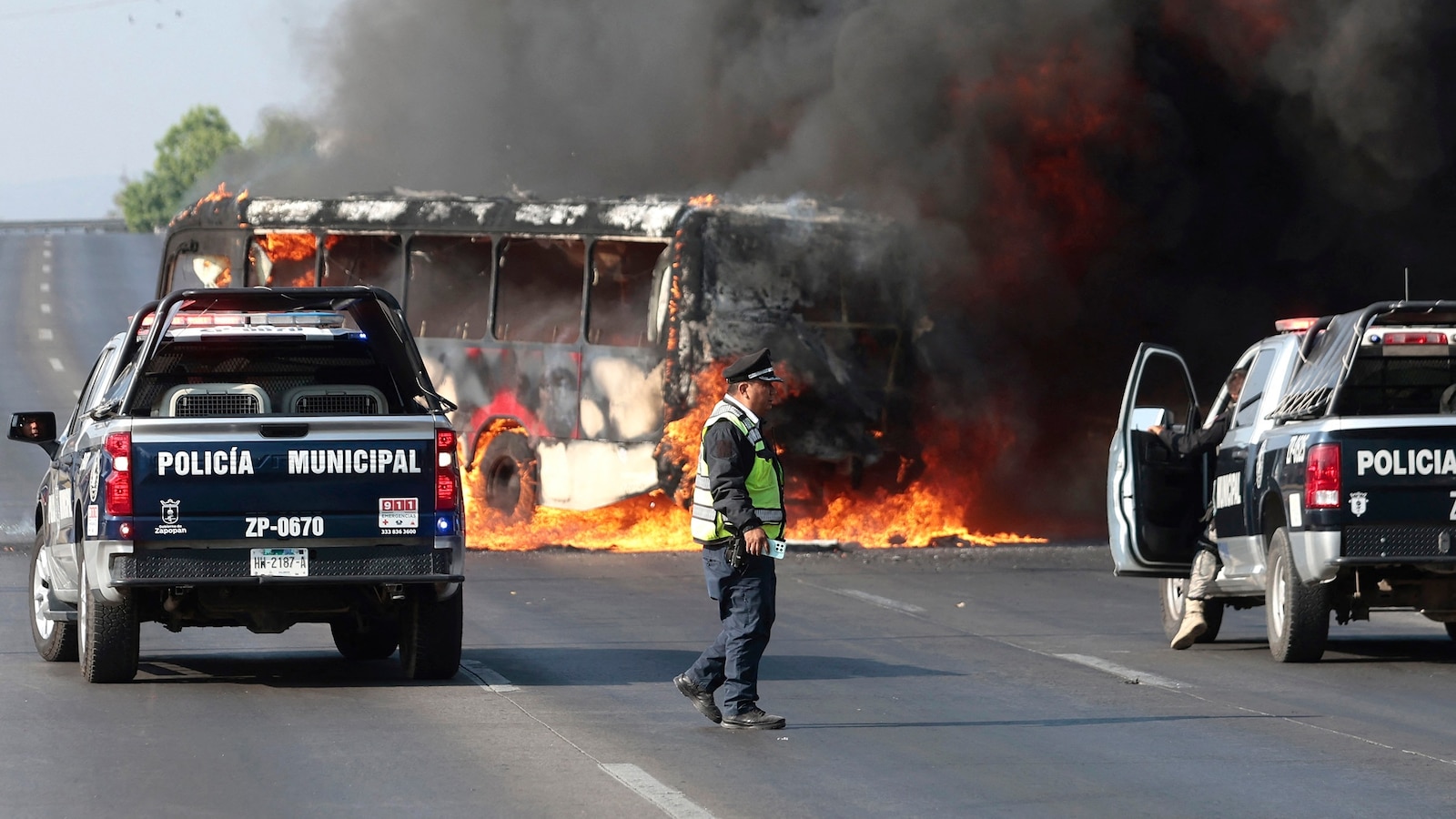
The violence that followed El Mencho’s death had immediate and severe consequences for ordinary Mexicans and visitors to the country. The U.S. Embassy in Mexico issued urgent security alerts on Monday, advising Americans throughout various Mexican locations to shelter in place due to ongoing security operations and the related criminal activity. The travel advisory painted a concerning picture: while airports hadn’t been officially closed, the roadblocks had effectively crippled airline operations, with the majority of domestic and international flights cancelled at both Guadalajara and Puerto Vallarta airports. These are major hubs not just for Mexican travelers but for international tourists who flock to these destinations year-round. In Puerto Vallarta, a city that depends heavily on tourism, all ride-sharing services were suspended, leaving visitors stranded at hotels and locals without their usual transportation options. Businesses throughout the affected regions made the difficult decision to suspend operations, unsure whether they would become targets or simply unable to get employees safely to work. The images that emerged from cities like Zapopan showed municipal police trucks stationed near burning buses—vehicles set ablaze by organized crime groups as a show of force and defiance. National Guard members stood watch near the charred remains of public transportation, a sobering reminder of how quickly civic infrastructure could become collateral damage in the war between cartels and the state. For families in Jalisco and Michoacan, the suspension of school represented more than an inconvenience; it was a return to the fear and uncertainty that many had hoped was becoming a thing of the past.
Looking Forward: Security and Stability
As Mexico begins to move past this immediate crisis, important questions remain about what El Mencho’s death means for long-term security and the ongoing battle against organized crime. President Sheinbaum’s insistence that the security strategy has not changed may reassure those concerned about escalation, but it also raises questions about whether the current approach can truly dismantle organizations as powerful as the Jalisco New Generation Cartel. History has shown that killing or capturing cartel leaders often creates power vacuums that lead to violent succession battles, potentially making the situation worse before it gets better. The cartel’s ability to mount such a coordinated and widespread response to their leader’s death demonstrates that the organization has deep operational capacity that extends well beyond any single individual. The fact that authorities had to deal with violence across seven states shows how territorially expansive these criminal networks have become. For ordinary Mexicans, the return to normalcy that President Sheinbaum announced is certainly welcome news, but many will wonder how long it will last and whether the next crisis is simply waiting around the corner. The international community, particularly the United States, will be watching closely to see whether disrupting the Jalisco New Generation Cartel’s leadership has any measurable impact on the flow of fentanyl across the border. As schools reopen, flights resume, and roadblocks disappear, there’s a cautious hope that this operation represents progress in a long and difficult struggle, but also a realistic understanding that the fight against organized crime in Mexico is far from over.