


Oklahoma Governor Names Energy Executive to Fill Mullin’s Senate Seat
A New Chapter in Oklahoma Politics
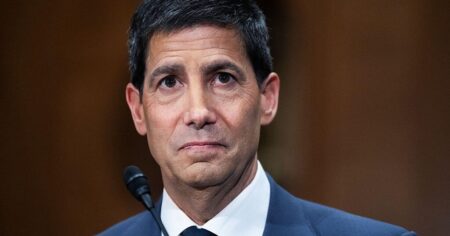
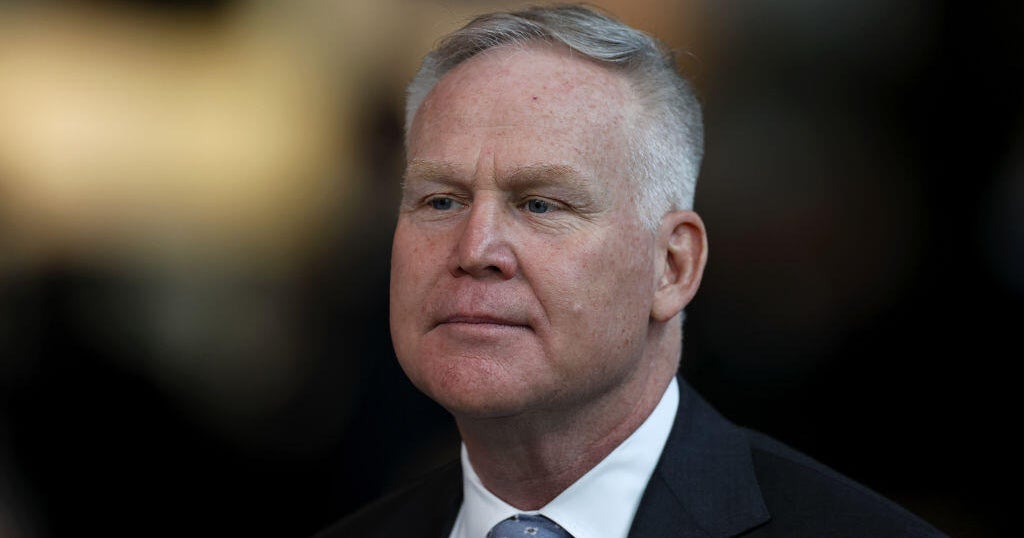
In a significant political development, Oklahoma Governor Kevin Stitt held a press conference Tuesday morning to announce his selection of Alan Armstrong as the state’s newest U.S. Senator. Armstrong will fill the vacancy left by Markwayne Mullin, who was confirmed by the Senate on Monday to serve as Secretary of the Department of Homeland Security under President Trump. The 54 to 45 vote that confirmed Mullin came after he was tapped to lead DHS following the departure of Kristi Noem, who faced intense scrutiny over the department’s immigration enforcement operations. This transition marks a pivotal moment for Oklahoma’s representation in Washington, as the state prepares for both immediate change and an upcoming special election to determine who will serve a full term in the position.
Armstrong’s Background and Qualifications
Alan Armstrong brings decades of business experience to his new role in the Senate, particularly in the energy sector that has long been crucial to Oklahoma’s economy. Most recently, Armstrong served as executive chairman on the board of directors at Williams Companies, a prominent Tulsa-based energy firm where he previously held the positions of president and CEO before stepping down last year. His extensive resume also includes chairing the Department of Energy’s National Petroleum Council, a role that gave him significant insight into national energy policy and the challenges facing America’s energy infrastructure. Throughout his career, Armstrong has been recognized as a champion of Oklahoma’s energy industry, working to ensure that affordable and reliable energy remains accessible to Americans across the country. His business acumen and deep understanding of the energy sector make him a distinctive choice for the Senate seat, bringing a perspective shaped by private sector leadership and market-driven solutions to the nation’s capital.
The Governor’s Endorsement
During the announcement, Governor Stitt spoke enthusiastically about Armstrong’s qualifications and character, framing his appointment as a reflection of Oklahoma’s core values. “I’m incredibly proud now to announce that my pick as the next U.S. senator of the state of Oklahoma is Mr. Alan Armstrong,” Stitt declared at the press conference. The governor went on to paint Armstrong’s personal and professional journey as emblematic of what makes Oklahoma special, stating that his story “reflects the very best of Oklahoma.” Stitt emphasized that the values, work ethic, and pursuit of the American dream that Armstrong represents are alive and thriving in their state. The governor particularly highlighted Armstrong’s credentials as “a strong business leader who understands the power of free markets and limited government,” positioning him as someone who will advocate for economic policies that align with conservative principles. Stitt’s remarks underscored his belief that Armstrong’s career-long commitment to fighting for Oklahoma’s energy industry and ensuring energy affordability for all Americans makes him ideally suited to represent the state’s interests in Washington.
The Temporary Nature of the Appointment
An important aspect of this appointment is its temporary nature, dictated by Oklahoma state law governing Senate vacancies. According to these regulations, anyone appointed to fill an empty Senate seat must pledge not to run for a full term in the subsequent election. This means that while Armstrong will serve as Oklahoma’s senator and have all the powers and responsibilities that come with that position, he will not be a candidate in the special election scheduled for November. Armstrong’s tenure will therefore serve as a bridge between Mullin’s departure and the election of a new senator chosen directly by Oklahoma voters. This arrangement ensures that the state maintains continuous representation in the Senate while also preserving the democratic process by allowing voters to select their long-term representative relatively quickly. The temporary nature of the appointment gives Armstrong the opportunity to make an impact on legislation and represent Oklahoma’s interests in the Senate, but within a defined timeframe that respects the voice of the electorate.
The Race for the Full Term
While Armstrong settles into his new role, the campaign for who will serve a full term is already heating up. The primary election is scheduled for June 16, giving candidates just a few months to make their case to Oklahoma voters. Among the contenders, Representative Kevin Hern has quickly emerged as the frontrunner in what promises to be a competitive race. Hern has represented Oklahoma in the House of Representatives since 2018 and has built a solid reputation among conservative voters and party leadership. His campaign received a significant boost earlier this month when Senate Majority Leader John Thune threw his support behind him, lending Hern the kind of institutional backing that can prove decisive in primary contests. Even more significantly, President Trump has weighed in with his endorsement, writing on Truth Social: “Kevin Hern will be an outstanding Senator, and has my Complete and Total Endorsement – HE WILL NEVER LET YOU DOWN!” Trump’s endorsement carries considerable weight in Republican primaries, particularly in a solidly conservative state like Oklahoma where the former president remains popular among the base. Hern’s combination of congressional experience, party establishment support, and Trump’s blessing makes him the candidate to beat heading into the June primary.
Looking Ahead: Implications and Expectations
This series of appointments and the upcoming election reflects the dynamic nature of American politics and the interconnected way that positions at different levels of government can shift. Mullin’s move from the Senate to head the Department of Homeland Security created a ripple effect that has reshaped Oklahoma’s political landscape, at least temporarily. For Armstrong, his appointment offers an opportunity to influence policy during a critical time for energy issues, economic policy, and other matters important to Oklahoma. His background in the energy sector could prove particularly valuable as the Senate debates policies related to domestic energy production, infrastructure, and environmental regulations. For the people of Oklahoma, this transition period means they’ll be represented by someone with deep roots in the state’s business community, followed by an opportunity to choose their long-term representative in November. The special election will serve as both a referendum on the direction voters want their representation to take and as an important gauge of political sentiment in the state. As Armstrong takes his seat in Washington and candidates like Hern campaign across Oklahoma, the coming months will be crucial in determining not just who represents the state, but what priorities and values that representation will embody in the halls of Congress.