


American Airlines Flight Discovers Bullet Hole After Landing in Colombia
Discovery of Damage Raises Safety Concerns
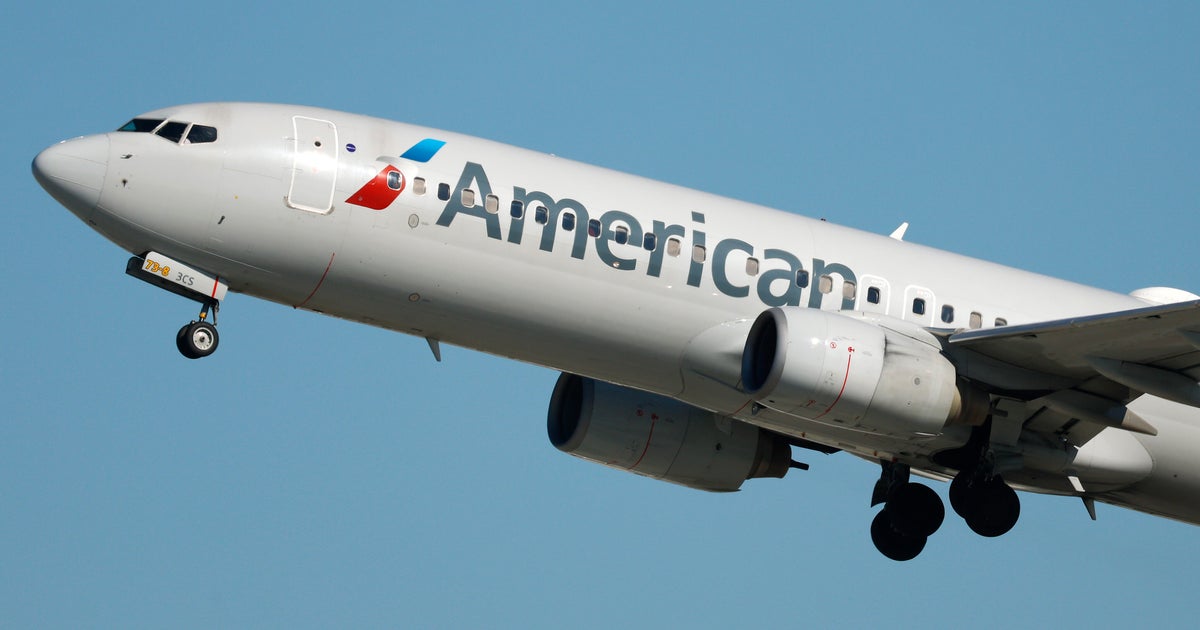
An alarming discovery was made this week when maintenance crews found what appears to be a bullet hole in an American Airlines aircraft that had just completed a routine flight to Colombia. The Boeing 737 MAX 8 was operating as flight 923, traveling from Miami, Florida, to Medellín, Colombia on Sunday evening when the incident occurred. After the plane safely touched down in Medellín, ground crew members conducting their standard post-flight inspection noticed something unusual on the aircraft’s right wing. Upon closer examination, they discovered a puncture that went completely through the right-hand aileron, one of the critical flight control surfaces on the wing. The discovery immediately raised questions about when and where this damage occurred, and whether it posed any danger to the 150-plus passengers and crew members who had been aboard the flight.
What makes this incident particularly concerning is that sources familiar with the investigation say the damage pattern is consistent with a bullet strike. The aileron showed a small, round entry hole on one side, along with corresponding damage at what appears to be an exit point on the opposite side. This type of damage pattern is characteristic of a projectile passing through an object at high velocity. The news was first broken to the public by airline blogger JonNYC on the social media platform X, and has since been confirmed by American Airlines and is now under investigation by Colombian aviation authorities. The fact that a commercial aircraft could sustain what appears to be gunfire damage is deeply troubling, regardless of whether it happened while the plane was on the ground or in flight.
Understanding the Severity and Aircraft Response
To fully appreciate the seriousness of this incident, it’s important to understand what ailerons are and why damage to them is such a significant concern. Ailerons are movable flight control surfaces located on the trailing edge of an aircraft’s wings, one on each side. They work in opposite directions to each other – when one goes up, the other goes down – and this differential movement is what allows pilots to control the aircraft’s roll, essentially enabling the plane to bank left or right during turns. These control surfaces are absolutely essential for safe flight operations, making any damage to them a matter that must be taken extremely seriously by airlines and aviation authorities.
Despite the damage to this critical component, there’s some good news in this troubling story: the flight experienced no operational issues during its journey from Miami to Medellín, and not a single person aboard was injured. The aircraft apparently handled normally throughout the flight, which could suggest either that the damage occurred after landing, or that if it happened before or during the flight, it was minor enough not to significantly affect the aileron’s function. American Airlines responded to the discovery with appropriate caution, immediately removing the aircraft from service for a more thorough inspection and necessary repairs. In a statement to CBS News, the airline emphasized that the puncture was discovered “following a routine inspection” and assured the public that they would “work closely with all relevant authorities to investigate this incident.”
Investigation and Temporary Repairs
The investigation into this incident is now underway, with both American and Colombian authorities working to determine exactly what happened. The Civil Aviation Authority of Colombia, which functions as that country’s equivalent to the Federal Aviation Administration in the United States, told CBS News that while they initially had no information about the incident, they are now actively investigating. Their work will likely focus on trying to establish a timeline of when the damage occurred and what might have caused it. Was the plane struck while on the ground at the Medellín airport? Did something happen during the flight itself? Or could the damage have occurred before the plane even left Miami?
Interestingly, after temporary repairs were made to the aircraft in Medellín, the plane was cleared to operate its scheduled return flight to Miami on Monday morning. According to flight tracking data from Flightradar24, a service that monitors aircraft movements worldwide, the repaired plane did make that journey back to Florida. However, upon arrival in Miami, the aircraft remained on the ground for approximately twelve hours before making one additional flight to Dallas. Since reaching Dallas, the plane has been grounded and has not flown again, presumably while more permanent repairs are made and the investigation continues. This approach suggests that while the temporary repairs were deemed sufficient for the lightly-loaded ferry flights back to the United States, American Airlines is taking no chances with passenger safety and is keeping the aircraft out of regular service until the situation is fully resolved.
Context of Regional Aviation Security Threats
This incident in Colombia doesn’t exist in isolation – it’s part of a concerning pattern of gunfire incidents affecting commercial aviation in the Caribbean and Latin American region. Just last year, in 2024, three different airlines experienced their aircraft being struck by gunfire in Haiti’s capital city of Port-au-Prince. Spirit Airlines, JetBlue, and ironically American Airlines itself all had planes hit by bullets while either taking off or landing at Toussaint Louverture International Airport. These frightening incidents occurred against the backdrop of surging gang violence in Haiti, where armed criminal groups have increasingly controlled large portions of the capital and engaged in battles that have sometimes impacted the airport and its surroundings.
The situation became so dangerous that the Federal Aviation Administration took the extraordinary step of temporarily halting all air traffic to the Port-au-Prince airport. Major airlines, recognizing the unacceptable risk to their aircraft, crews, and passengers, suspended service to Haiti altogether. Many of those suspensions remain in effect today, leaving Haiti more isolated and making it even more difficult for aid organizations to reach the struggling nation. While the situation in Medellín is quite different from Port-au-Prince – Colombia’s second-largest city is a major metropolitan area that has transformed dramatically from its violent past – the incident does raise questions about security around airports in the region and whether aircraft might be vulnerable to stray gunfire or deliberate targeting.
Broader Implications for Aviation Safety
This incident raises several important questions about commercial aviation safety in certain regions of the world. First and foremost, airports and airlines may need to reassess their security protocols, particularly regarding perimeter security. If this bullet strike happened while the aircraft was on the ground, it suggests that someone with a firearm was able to get close enough to the airport to hit a parked or taxiing aircraft. That’s a serious security breach that would need to be addressed. On the other hand, if the damage occurred while the aircraft was in flight, that raises even more alarming questions about whether the plane was deliberately targeted or was hit by stray gunfire from ground-level violence.
The aviation industry has long maintained remarkably high safety standards, and incidents like this are exceptionally rare in most parts of the world. However, as this case and the Haiti incidents demonstrate, there are regions where the security situation on the ground can pose genuine threats to aircraft. Airlines operating in these areas must balance their desire to maintain service – which often provides vital connections for business, tourism, and families – against their paramount responsibility to keep passengers and crew safe. In the coming weeks, as investigators work to determine exactly what happened to American Airlines flight 923, their findings may lead to enhanced security measures, changes in flight procedures, or other steps designed to prevent similar incidents in the future. For now, passengers can take some comfort in knowing that the damage was discovered before it could cause any harm, and that airlines and authorities are taking the matter seriously and working to ensure it doesn’t happen again.