

American Woman Missing After Falling Overboard in Bahamas Waters
The Disappearance
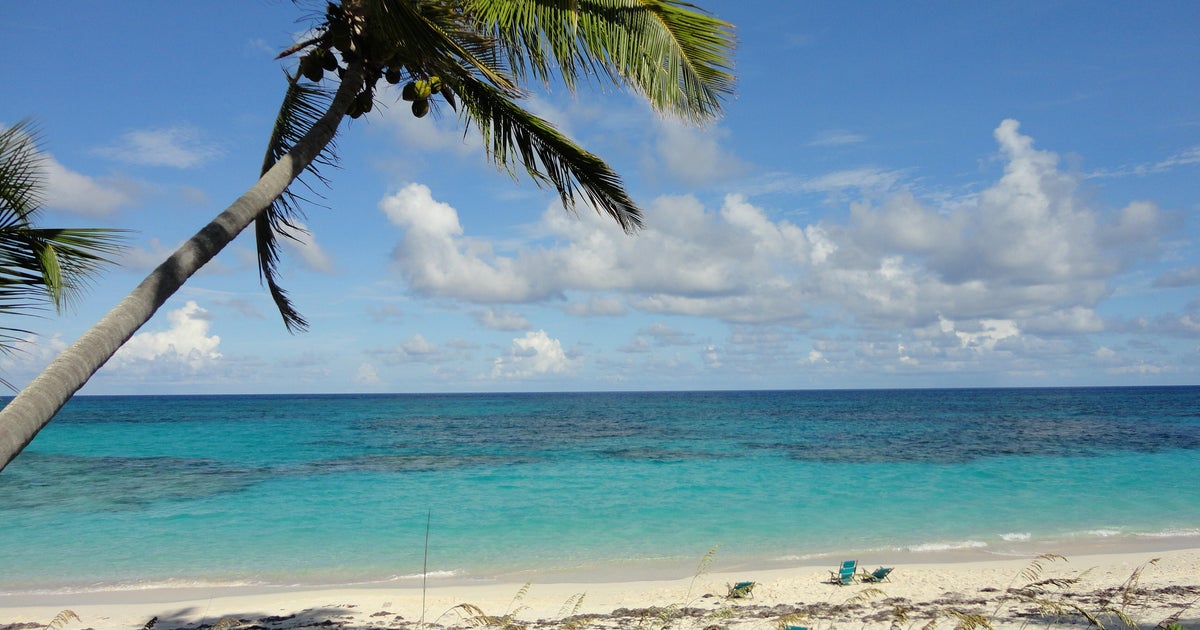
A troubling search is underway in the Bahamas after an American woman vanished during what should have been a routine evening boat trip between islands. According to authorities from the Royal Bahamas Police Force, the woman disappeared Saturday night after reportedly falling from a small dinghy into the ocean waters surrounding the Abaco islands. Her husband, also an American citizen, told police that the couple had departed from Hope Town heading toward Elbow Cay around 7:30 p.m. local time when the tragedy unfolded. The two were traveling in an 8-foot hard-bottom dinghy—a small, rigid inflatable boat commonly used for short trips between islands in the Bahamas. What began as an ordinary journey between two popular destinations in the island chain turned into every boater’s nightmare when the woman reportedly went overboard, taking the boat’s keys with her into the dark waters and leaving her husband stranded without power in increasingly dangerous conditions.
The Husband’s Account
The husband provided authorities with a harrowing account of the incident that paints a picture of how quickly things can go wrong on the water. According to his statement to police, when his wife fell overboard, she had the boat’s keys with her, which immediately caused the engine to shut off. This left him without any means of propulsion in a small dinghy at night. He told investigators that strong ocean currents quickly swept his wife away from the boat, and despite his efforts to keep her in sight, she disappeared into the darkness within moments. Stranded without engine power and unable to reach his wife, the man was left with only one option—to paddle the small vessel back to shore using whatever means he had available. The journey must have been exhausting and terrifying, as he spent hours in the dark navigating back to land. He finally reached the Marsh Harbor Boat Yard at approximately 4 a.m. Sunday morning, roughly eight hours after the couple had initially set out on their trip. Upon arrival at the boat yard, he immediately told someone about his wife’s disappearance, and that individual contacted the authorities to report the emergency and initiate a search and rescue operation.
The Search Effort
Once authorities were notified of the missing woman, they mobilized quickly to organize a comprehensive search operation. The Royal Bahamas Police Force coordinated with multiple agencies to cover as much area as possible in the waters surrounding where the woman was last seen. Members of the Royal Bahamas Defence Force joined the effort, bringing their maritime expertise and additional resources to the search. Hope Town fire officials also participated in the operation, contributing local knowledge of the waters, currents, and coastal areas where someone swept out to sea might potentially wash ashore. The search teams have been combing the waters and shorelines around Hope Town and Elbow Cay, two popular destinations in the Abaco islands that are separated by a relatively short stretch of water that can nevertheless be treacherous, especially after dark. The investigation remains active and ongoing, with authorities continuing to gather information about the circumstances of the disappearance. Police have reached out to the community for assistance, asking anyone who may have been in the area Saturday night or who might have relevant information to come forward. They’ve encouraged people to contact law enforcement directly or to submit anonymous tips through Crime Stoppers if they prefer to remain unidentified. Neither the missing woman nor her husband have been publicly identified by authorities, which is standard practice in ongoing investigations of this nature.
The Dangers of Boating in the Bahamas
This tragic incident highlights broader safety concerns about boating in the Bahamas that U.S. officials have been warning travelers about. In March 2025, the U.S. State Department issued a travel advisory specifically addressing the risks associated with watercraft in the island nation. The advisory noted that “boating is not well regulated” throughout the Bahamas, and that “injuries and deaths have occurred” as a result of inadequate oversight and safety standards. According to the State Department’s warning, watercraft rentals—including popular options like jet skis—sometimes come from unlicensed operators who may not maintain equipment properly or follow basic safety protocols. The advisory also pointed out that these operators “sometimes ignore weather forecasts,” putting tourists and locals alike at risk by taking boats out in conditions that would normally warrant staying ashore. The document strongly encouraged travelers to “always follow local weather and marine alerts” before heading out on the water. The warnings are particularly relevant for tourists who may not be familiar with how quickly conditions can change in tropical waters, where afternoon and evening weather can shift rapidly, and where currents can be far stronger than they appear from shore. Even experienced boaters can find themselves in trouble when operating in unfamiliar waters, especially at night when visibility is limited and it becomes much harder to navigate or respond to emergencies.
The Unique Challenges of Island Boating
The circumstances of this disappearance underscore the particular dangers of boating between islands in the Bahamas, especially in small vessels after dark. An 8-foot hard-bottom dinghy, while popular for island hopping during daylight hours, offers minimal protection from the elements and limited stability in rougher water. When traveling between islands like Hope Town and Elbow Cay—destinations that look deceptively close on a map—boaters must contend with open ocean conditions, strong tidal currents, and the constant risk of mechanical failure. The fact that this couple departed at 7:30 p.m. meant they would have been traveling during the transition from twilight to full darkness, when visibility drops dramatically and it becomes nearly impossible to spot someone in the water even from a short distance away. The detail that the woman fell overboard with the keys highlights a common but often overlooked boating safety issue—the importance of having backup plans for propulsion and keeping critical items like keys secured to the boat rather than on a person who could go overboard. In this case, once the keys were lost, the husband had no way to power the boat to chase after his wife or quickly return to shore for help. He was left to paddle for hours in the dark, knowing his wife was somewhere in the ocean behind him but powerless to launch an effective search on his own.
Ongoing Concerns and Community Response
As the search continues, this incident serves as a sobering reminder of how quickly a pleasant vacation activity can turn into a life-threatening emergency. The Bahamas attracts millions of visitors each year, many of whom rent boats or take water excursions without fully understanding the risks involved or the limited regulatory oversight that exists in some areas. Local communities in places like Hope Town and throughout the Abaco islands—areas still recovering from the devastating impact of Hurricane Dorian in 2019—have long been aware of the dangers posed by inadequate boating safety measures, but resources for enforcement and regulation remain limited. The involvement of community members in the search effort, including Hope Town fire officials, demonstrates the close-knit nature of these island communities and their commitment to helping both residents and visitors in distress. As authorities continue their investigation into exactly what happened Saturday night, questions will likely be raised about whether additional safety measures could have prevented this tragedy—things like life jacket requirements, restrictions on nighttime travel in small vessels, mandatory emergency communication devices, or better lighting in commonly traveled waterways. For now, the focus remains on finding the missing woman, though with each passing day, the likelihood of a positive outcome diminishes. This heartbreaking incident will undoubtedly resonate with the countless tourists who visit the Bahamas each year for its beautiful waters and island-hopping opportunities, serving as a stark reminder that paradise comes with very real dangers that demand respect, preparation, and caution.