


Navigating the Energy Crisis: Can Americans Cut Their Oil Consumption?
The Challenge of Reducing Fuel Demand During Crisis Times
As energy prices continue to climb due to ongoing conflict involving Iran, economists and energy experts are grappling with a fundamental question: can Americans be convinced to significantly reduce their gasoline consumption? The International Energy Agency recently issued a comprehensive set of recommendations aimed at helping consumers conserve energy, including suggestions like working from home more frequently, reducing driving speeds, carpooling, and utilizing public transportation whenever possible. These measures specifically target the transportation sector, which accounts for approximately two-thirds of all oil consumption. While the logic behind these recommendations is sound, the practical reality of implementing them across American society presents significant challenges. The IEA emphasized in their report that supply-side interventions alone cannot adequately address the scale of the current disruption, noting that “addressing demand is a critical and immediate tool to reduce pressure on consumers.” However, the unique characteristics of American infrastructure and lifestyle make rapid behavioral changes particularly difficult to achieve, especially when compared to other developed nations with more robust public transportation networks.
Historical Context and Current Obstacles
For Americans who lived through the 1970s oil crisis, these energy-saving recommendations may trigger a sense of déjà vu. During that era, when Middle Eastern producers implemented an oil embargo, gas prices skyrocketed and prompted widespread carpooling and other conservation measures as people sought to reduce their fuel expenses. However, the contemporary situation presents its own unique set of challenges that make replicating that response more difficult. Today’s American landscape is characterized by sprawling suburban development, limited public transportation infrastructure in many regions, and an automotive market where electric vehicles, while growing in popularity, remain significantly more expensive than their gasoline-powered counterparts. The current crisis centers on the Strait of Hormuz, a critical waterway in the Persian Gulf through which roughly 20% of the world’s oil supply normally passes. This narrow passage remains largely blocked to tanker traffic, and unless diplomatic efforts successfully resolve the conflict with Iran, experts predict that global oil supplies will remain severely constrained for months to come. IEA Director Fatih Birol plainly stated that “the single most important solution to this problem is opening up the Hormuz Strait,” highlighting the geographical bottleneck at the heart of the crisis.
Government Response and Market Realities
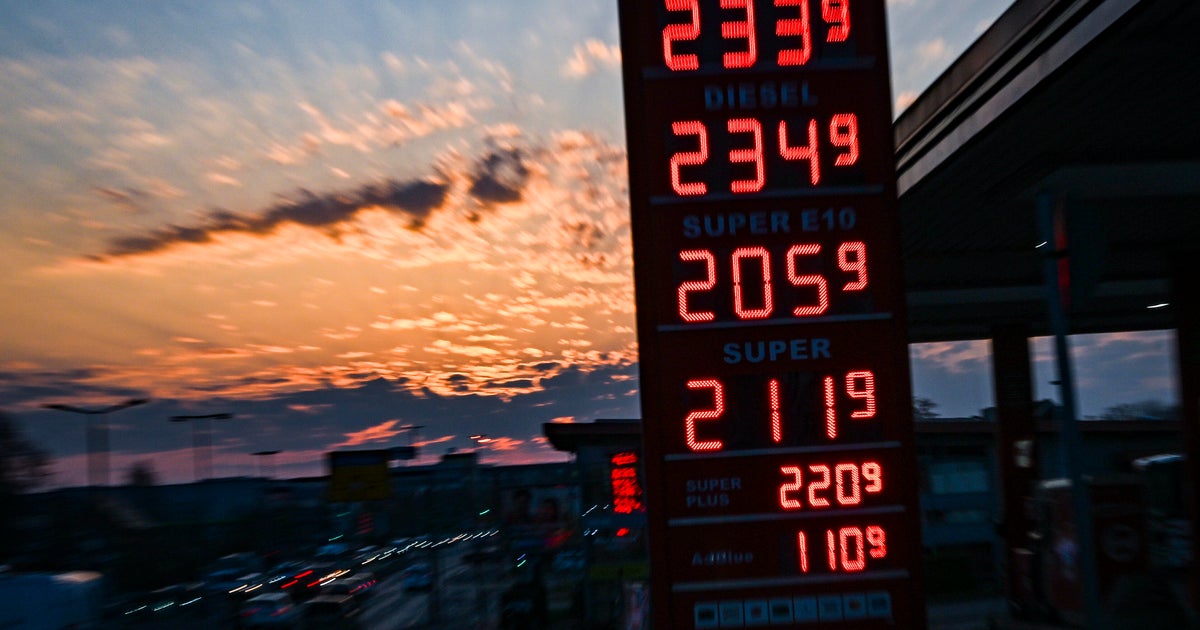
In response to the supply crisis, the Trump administration has taken several measures to try to stabilize oil markets and ease price pressures on consumers. Most notably, the government has authorized the release of 172 million barrels of oil from the Strategic Petroleum Reserve, a emergency stockpile maintained for exactly these types of supply disruptions. However, energy experts are largely in agreement that such supply-side interventions, while helpful, will not be sufficient on their own to rebalance global oil markets or bring prices back down to pre-conflict levels. The fundamental challenge lies in the massive scale of the supply disruption combined with the global economy’s continued dependence on petroleum products. Nobel Prize-winning economist Paul Krugman has weighed in on the situation, telling reporters that while the most effective approach to reducing oil consumption would be for people to change their driving habits—primarily by simply driving less—actually achieving such a behavioral shift across the population is far from simple. For millions of Americans living in areas without adequate public transportation, alternatives to personal vehicle use simply don’t exist. Krugman suggested that gasoline prices might need to climb even higher before enough people make the difficult decision to carpool or otherwise significantly alter their transportation habits.
The Economics of Inelastic Demand
Energy analysts point to a fundamental economic principle that explains why rapid reductions in oil consumption are so difficult to achieve: oil demand is highly inelastic in the short term. This economic term means that consumption doesn’t drop proportionally even when prices rise significantly, because consumers have few immediate alternatives available. JPMorgan’s global energy analyst Natasha Kaneva explained this phenomenon clearly: “Oil demand is, on average, highly inelastic in the short run because most end uses have few immediate substitutes—factory boilers rely on fuel oil, aircraft require jet fuel and most cars still run on gasoline.” This reality means that people and businesses will continue purchasing oil products even as prices rise, because they have no practical way to quickly switch to alternatives. The typical American worker who lives in a suburb with no bus service and drives a gasoline-powered car cannot simply stop commuting to their job, regardless of how high gas prices climb. This economic inflexibility is precisely what makes demand-side energy conservation so challenging to implement, even when the financial incentive to reduce consumption is clear.
Practical Steps for Individual Consumers
Despite the systemic challenges, there are practical measures that individual consumers can take to reduce their fuel consumption and save money during this period of elevated prices. One of the simplest and most effective strategies is adjusting driving speeds, particularly on highways. According to AAA, reducing highway speeds by just 5 to 10 miles per hour can improve fuel mileage by up to 14%, representing significant savings over time without requiring any change in vehicle or route. Economist Paul Krugman also pointed to an unintended natural experiment that occurred during the COVID-19 pandemic in 2020, when widespread work-from-home mandates caused oil consumption to plummet to a 25-year low. This dramatic reduction demonstrated that many commuting trips could potentially be eliminated if employers were willing to allow remote work even just one additional day per week. For the approximately 4.8 million American households that rely on heating oil, energy economist Mark Wolfe offers specific advice: only purchase what you need in the immediate term rather than filling tanks completely. He recommends against the common practice of topping off heating oil tanks in spring in preparation for the following winter, suggesting instead that consumers “just buy as much as you need” to avoid drawing down limited supplies and contributing to price pressures.
The Threshold for Demand Destruction
Energy market analysts use a specific term—”demand destruction”—to describe the point at which prices rise high enough to actually force significant reductions in consumption. According to Matthew Bernstein, an oil and gas analyst at Rystad Energy, this threshold typically occurs when oil prices reach between $120 and $130 per barrel. At that price level, the downstream costs of gasoline, diesel, and other petroleum products become so prohibitively expensive that economic activity actually slows down, people curtail travel, and businesses make operational changes that reduce their fuel consumption. As of recent trading, Brent crude (the international benchmark) stood at approximately $100.93 per barrel, while U.S. benchmark crude was trading at $93.05—representing roughly a 40% increase since the conflict began in late February, but still below the demand destruction threshold. Bernstein notes that “if prices get so high that there’s less economic activity, less travel, that’s when you get demand destruction,” but he emphasizes that “we’d need to see that for a sustained period of time before it makes a difference.” This observation highlights a troubling reality: meaningful reductions in oil consumption may only come after prices have risen to levels that cause real economic pain across society, affecting not just individual household budgets but broader economic growth and employment. The path forward remains uncertain, with the timeline for reopening the Strait of Hormuz unclear and the potential for further escalation ever-present, leaving consumers, policymakers, and economists to navigate an energy landscape that offers no easy solutions.