


Ukraine Marks Four Years of War: A Nation Still Standing
A Defiant President and an Unfinished War
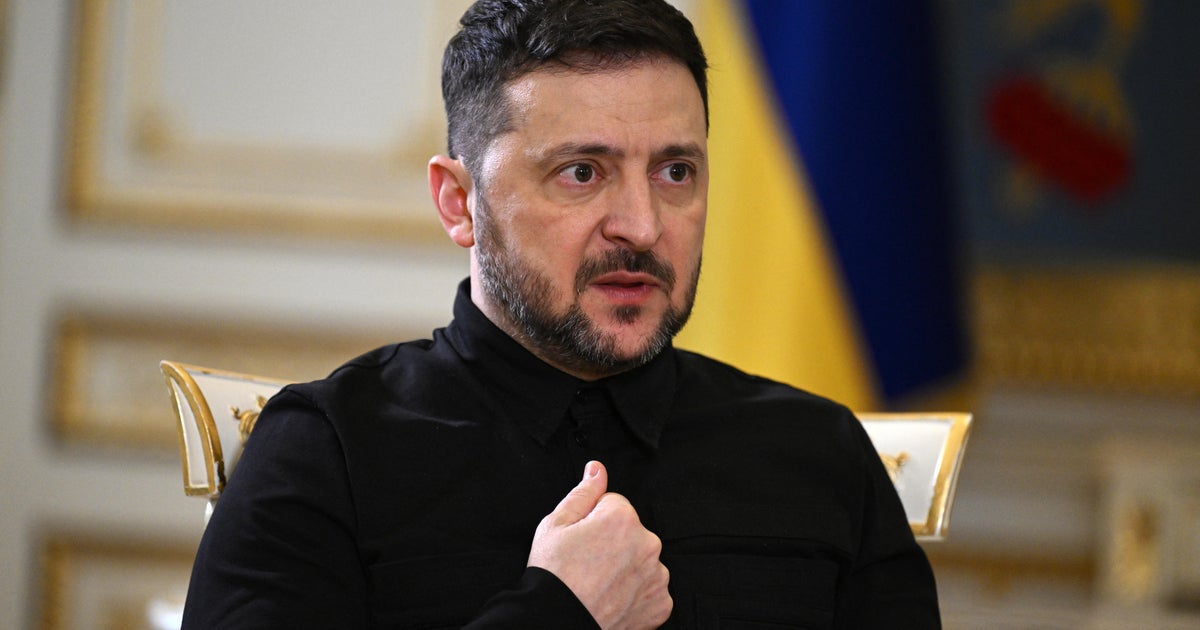
As Ukraine entered the fifth year of war with Russia, President Volodymyr Zelenskyy delivered a powerful message to his people and the world: Ukraine has survived, and Vladimir Putin has failed to achieve what he set out to do. In a video address shared on social media, Zelenskyy showcased footage of ordinary Ukrainians resisting Russian forces in those terrifying early days of the invasion, reminding everyone of the courage that has defined this conflict since February 24, 2022. His words were clear and uncompromising—Ukraine has defended its independence, preserved its statehood, and refused to be broken by Russian aggression. He called for peace, but not just any peace—it must be strong, dignified, and lasting, and most importantly, it must have the approval of the Ukrainian people themselves. Interestingly, the Kremlin seemed to confirm Zelenskyy’s assessment in its own way. Kremlin spokesperson Dmitry Peskov admitted that Russia hasn’t yet achieved all its war aims in Ukraine, which is why the “military operation” continues. This rare admission from Moscow reveals the stubborn reality of this conflict: after hundreds of thousands of deaths on both sides and untold destruction, neither side has achieved a decisive victory, and the deadliest war on European soil since World War II grinds on with no clear end in sight.
The Human Cost and One Soldier’s Survival
Behind the political speeches and diplomatic maneuvering are real people who have lived through unimaginable horror. CBS News correspondent Holly Williams, who has covered the war since before it began, recently reconnected with a Ukrainian soldier she first met just three days before the Russian invasion. When Williams first encountered Valeriy Kashkarov and his fellow soldiers on the front lines, she honestly believed they wouldn’t survive the onslaught that was about to come. When Russia invaded, she assumed the worst. But Kashkarov did survive, though not without scars—both physical and emotional. He was shot by a Russian sniper but lived to tell the tale, something he himself finds somewhat surprising. When Williams expressed her amazement that he was still alive, Kashkarov simply laughed and said, “Me too.” But the laughter masks deep pain. Many of his brothers in arms didn’t make it, and he carries the weight of their loss every single day. “I get upset,” he told Williams quietly. “It’s a lot of pain, especially the young brothers in arms dead, and a lot of them. On a daily basis. It’s like—ah—what the hell.” His words capture what statistics cannot—the daily grief, the questioning, the exhaustion of a nation that has been fighting for its very existence for four long years. Kashkarov’s story is just one among millions, but it reminds us that behind every casualty figure is a person with a name, a family, and dreams that will never be realized.
International Support and the Quest for Lasting Peace
Ukraine hasn’t faced this nightmare alone. As the country marked this grim anniversary, leaders from allied nations made the journey to Kyiv to stand in solidarity with Ukraine. Finnish President Alexander Stubb and Swedish Prime Minister Ulf Kristersson were among those who came to show their support, as was European Commission chief Ursula von der Leyen. Von der Leyen’s message was particularly strong—Europe stands “unwaveringly with Ukraine, financially, militarily, and through this harsh winter.” She emphasized that the support would continue until peace is restored, but crucially, peace on Ukraine’s terms, not imposed by the aggressor. Her visit included plans to attend a commemoration ceremony and visit Ukrainian energy facilities damaged by Russian strikes before meeting with Zelenskyy. She would also participate in a videoconference with other key allies including Britain, France, and Germany. President Zelenskyy himself told AFP last week that Ukraine wasn’t losing the war, countering narratives that might suggest otherwise. He also made an important proposal—that European countries should deploy troops to Ukraine’s front lines in the event of any ceasefire. This isn’t about continuing the fight, but about preventing Russia from attacking again once a temporary peace is established. It’s a recognition of a hard truth: without credible deterrence and guarantees, any ceasefire might simply give Russia time to regroup and attack again. Ukraine has made it clear that it won’t sign any agreement without security guarantees from allies, particularly the United States, to ensure that history doesn’t repeat itself.
The Brutal Reality on the Ground
While diplomacy continues, the suffering on the ground intensifies. The territorial dispute remains one of the biggest obstacles to any peace agreement. Russia currently occupies approximately 20 percent of Ukrainian territory and is demanding full control of Ukraine’s eastern Donetsk region as part of any deal. Moscow has made threats that if Kyiv doesn’t agree at the negotiating table, Russian forces will simply take it by force. Ukraine has flatly rejected these demands, refusing to surrender territory that belongs to its people. In recent months, Russia has escalated its attacks on Ukrainian energy infrastructure, a cruel tactic that has cut heating and power to millions of Ukrainians during one of the harshest winters in recent memory. Imagine living through a brutal war while also facing freezing temperatures without reliable electricity or heat—this has been the reality for countless Ukrainian families. On the battlefield itself, despite suffering heavy losses, Russian troops have been slowly advancing, particularly in the eastern Donbas region, which Moscow is determined to annex. The talks between the two sides, which were relaunched last year by the United States, have so far failed to halt the fighting. The country faces a mammoth reconstruction task even as the war continues to destroy more infrastructure, more homes, more lives. The international community has responded with heavy sanctions on Moscow, forcing Russia to redirect its crucial oil exports toward new markets, especially in Asia, but these economic measures haven’t been enough to stop the fighting.
The Long Road to Recovery
Even when the guns finally fall silent, Ukraine will face an enormous challenge in rebuilding what has been destroyed. The grinding four-year war has devastated a country that, even before the conflict began, was one of the poorest in Europe. A joint report from the World Bank, the European Union, and the United Nations, published with Kyiv just this Monday, estimates that the cost of post-war reconstruction will be approximately $588 billion over the next decade. That staggering figure represents not just buildings and bridges, but schools where children can learn safely, hospitals where the wounded can heal, homes where families can rebuild their lives, and infrastructure that can power a functioning economy. The reconstruction effort will require sustained international support and commitment for years, perhaps decades, to come. It’s not just about returning to the way things were before—it’s about building a better, stronger Ukraine that can deter future aggression and provide a decent life for its citizens. The question remains: will the international community maintain its commitment not just until the fighting stops, but through the long, difficult years of rebuilding that will follow? Ukraine’s future depends not just on winning the war, but on winning the peace that comes after.
Putin’s Justifications and the Path Forward
Russia has consistently framed its invasion as a defensive action, claiming it was necessary to prevent Ukraine from joining NATO and threatening Russian security. President Putin, during a medal ceremony on Monday marking “Defenders of the Fatherland Day,” told his soldiers they were defending Russia’s “borders” and fighting to ensure “strategic parity” between powers and for the country’s “future.” This narrative, however, rings hollow to most of the world, which sees the invasion as an unprovoked act of aggression against a sovereign nation. Russia has also rejected Ukrainian proposals for the deployment of European troops in Ukraine after any ceasefire deal, viewing such a presence as unacceptable. Putin has repeatedly warned that if diplomacy fails, he will pursue his objectives by force—a threat that makes clear why Ukraine insists on security guarantees before signing any agreement. As the war enters its fifth year, the situation remains deadlocked. Neither side appears willing to compromise on the fundamental issues—territory and security. Ukraine insists it will not surrender land that belongs to its people and demands guarantees that Russia won’t simply attack again in a few years. Russia insists on territorial gains and refuses to accept a Western military presence on Ukrainian soil. Meanwhile, hundreds of thousands have already died, and more die every day. The challenge for international diplomacy is finding a path that gives Ukraine the security and territorial integrity it deserves while providing Russia with a face-saving way to end a war it cannot truly win. Until that path is found, soldiers like Valeriy Kashkarov will continue to fight, to grieve for fallen comrades, and to wonder “what the hell” this is all for. Ukraine has proven it cannot be conquered, but the question remains: how many more lives will be lost before peace finally comes?