


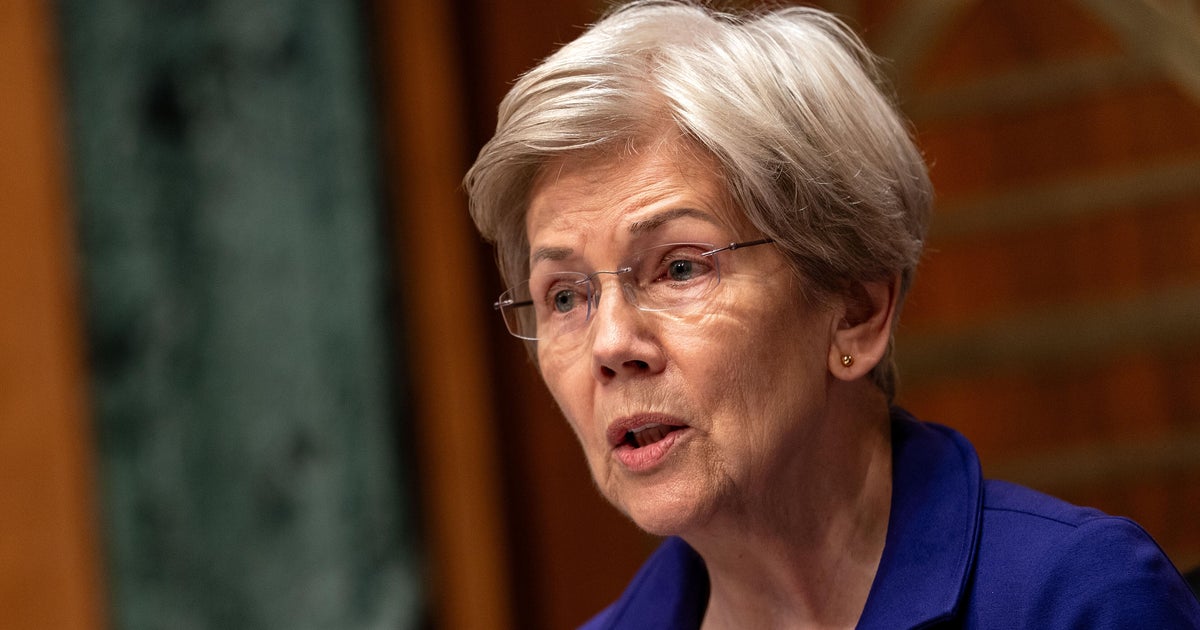

Senator Warren’s Bold Plan to Tax America’s Ultra-Wealthy: A Path to Economic Fairness
A New Approach to Taxing Extreme Wealth
Senator Elizabeth Warren of Massachusetts is making waves once again with her proposed Ultra-Millionaire Tax Act of 2026, a bold legislative effort aimed at addressing the growing wealth gap in America. This isn’t just another political talking point—it’s a comprehensive plan that would fundamentally change how the country approaches taxation of its wealthiest citizens. The bill targets households and trusts valued at over $50 million with an annual 2% tax on their net worth, with billionaires facing an additional 1% levy. To prevent wealthy individuals from simply packing up and leaving the country to avoid these taxes, Warren has included a substantial 40% “exit tax” for anyone worth more than $50 million who chooses to renounce their American citizenship. This proposal represents a continuation of Warren’s earlier 2021 wealth tax bill, but the circumstances have changed dramatically since then, making the argument for such taxation even more compelling in the eyes of its supporters.
The Staggering Numbers Behind the Proposal
The financial projections surrounding Warren’s wealth tax are nothing short of remarkable. According to an analysis conducted by renowned University of California, Berkeley economists Emmanuel Saez and Gabriel Zucman—who have built their careers studying economic inequality—the proposed tax would generate approximately $6.2 trillion in federal revenue over the next ten years. This figure is more than double what was originally estimated when Warren first introduced a similar wealth tax bill back in 2021. The reason for this dramatic increase in projected revenue isn’t complicated: America’s wealthiest individuals have simply gotten much, much richer. As of September last year, the nation’s 905 billionaires collectively held wealth totaling $7.8 trillion, representing an increase of more than 25% from just one year earlier, according to data from the progressive Institute for Policy Studies. Meanwhile, ordinary American families continue to struggle with rising costs of living, stagnant wages, and an economic system that seems increasingly tilted in favor of those at the very top. This growing disparity between the ultra-wealthy and everyone else forms the moral and practical foundation of Warren’s legislative push, as she argues that the current system is fundamentally unfair and needs major reform.
Building Political Support and Momentum
Warren’s wealth tax proposal isn’t a lonely crusade—it has garnered significant support among Democratic lawmakers in both chambers of Congress. The Senate version of the bill boasts 10 Democratic co-sponsors, including Senator Chris Van Hollen of Maryland, while the House version will be introduced with an impressive 38 Democratic co-sponsors, including Representative Pramila Jayapal of Washington. In explaining her support for the legislation, Jayapal highlighted the fundamental contradiction at the heart of American economic life: “We live in the richest country in the world, but that wealth is incredibly concentrated in a tiny group of people.” She emphasized that the trillions of dollars raised through this tax could be invested in essential services like healthcare, education, clean energy initiatives, housing programs, and numerous other priorities that would directly improve the lives of ordinary Americans across the country. Warren herself framed the issue in terms of basic fairness, stating that “families are getting squeezed by a rigged economy” while multi-millionaires and billionaires continue to accumulate wealth at unprecedented rates. She argued that it’s time for the government to stop prioritizing the interests of the richest of the rich and start working for working people—a populist message that resonates with growing numbers of Americans who feel left behind by an economy that seems to work better for the wealthy than for everyone else.
A Growing Movement Across America
While Warren’s federal legislation faces an uphill battle in a deeply divided Congress, her proposal is part of a broader movement gaining momentum at the state level across the United States. Massachusetts successfully passed a law in 2023 that applies a 4% tax to individuals earning over $1 million annually, demonstrating that such policies can win voter approval and be implemented effectively. California voters may have the opportunity to consider a billionaire tax later this year, while Washington state has also recently enacted its own millionaires’ tax. In New York City, Mayor Zohran Mamdani is pushing for a 2% tax on residents who earn over $1 million. These state-level initiatives suggest a genuine appetite for progressive taxation policies that ask more from those who have benefited most from the American economic system. Public opinion appears to support this direction as well—almost 60% of respondents to a 2025 poll conducted by the Pew Research Center indicated that tax rates should be higher on households earning more than $400,000 annually. Despite this popular support, the actual trajectory of American tax policy has generally moved in the opposite direction over recent decades. Research by economists Saez and Zucman revealed that people on Forbes’ list of the 400 richest Americans paid a lower effective tax rate than all other U.S. taxpayers—a finding that underscores the fundamental unfairness critics see in the current system. As Representative Boyle of Pennsylvania, a co-sponsor of the House wealth tax bill, put it: “A secretary shouldn’t pay a higher tax rate than the CEO. The current tax code is rigged against working people and the middle class.”
Transforming Revenue into Social Benefits
The $6.2 trillion that Warren’s wealth tax would generate over a decade isn’t just an abstract number—it represents the potential to fund transformative social programs that could fundamentally improve millions of American lives. According to Warren’s office, this revenue could pay for affordable childcare for working families, universal paid family leave that would allow parents to bond with newborns without facing financial catastrophe, and tuition-free community college that would open doors of opportunity for young people who might otherwise be priced out of higher education. Additionally, the tax revenue could cover lowering the Medicare eligibility age from the current 65 down to 55, addressing a critical gap in healthcare coverage that affects older workers who lose their jobs but haven’t yet reached the age to qualify for Medicare. These healthcare costs represent a significant financial burden and source of anxiety for many Americans in their late 50s and early 60s, and expanding Medicare eligibility would provide meaningful security for this vulnerable population. The proposal thus connects abstract discussions about taxation to concrete improvements in people’s daily lives—making childcare more affordable, ensuring workers can take time off when they have a baby or need to care for a sick family member, making education more accessible, and providing healthcare security for older workers. These aren’t radical ideas in the context of other developed nations, but in America they remain aspirational goals that proponents argue could be achieved if the wealthiest citizens simply paid their fair share.
Addressing Concerns About the Wealthy Leaving
One of the most common criticisms of wealth taxes is the concern that they would simply drive the ultra-wealthy to relocate to states or countries with more favorable tax treatment, ultimately depriving governments of revenue rather than increasing it. This argument assumes that multimillionaires and billionaires, who have the resources to live anywhere they choose, would naturally respond to higher taxes by simply moving elsewhere. Warren’s proposal directly addresses this concern with its 40% exit tax on anyone worth more than $50 million who renounces their American citizenship—a significant financial penalty designed to make abandoning U.S. citizenship economically unattractive. But beyond these punitive measures, research suggests the concern about wealthy people fleeing high taxes may be overblown. A Stanford University analysis of tax data found that among the 500,000 households with at least $1 million in income, only 2.4% migrated to another state—a rate actually lower than the 2.9% migration rate for the general population. This counterintuitive finding suggests that wealthy individuals may actually be less mobile than commonly assumed, perhaps because they have deeper connections to their communities, businesses, professional networks, and family ties. Saez and Zucman, in their analysis of Warren’s new bill, estimate that approximately 260,000 U.S. households would be subject to the wealth tax—a tiny fraction of American households, but one controlling enormous wealth. The economists concluded that strong federal enforcement through comprehensive audits and robust information reporting requirements would likely limit tax evasion and avoidance strategies by the richest households. Their analysis suggests that with proper implementation and enforcement, the wealth tax could achieve its revenue goals without triggering a mass exodus of wealthy Americans, making the proposal both economically viable and practically achievable despite the concerns of critics.