



Mexican Authorities Discover 229 Migrants Trapped in Stolen Truck
A Troubling Discovery in Veracruz
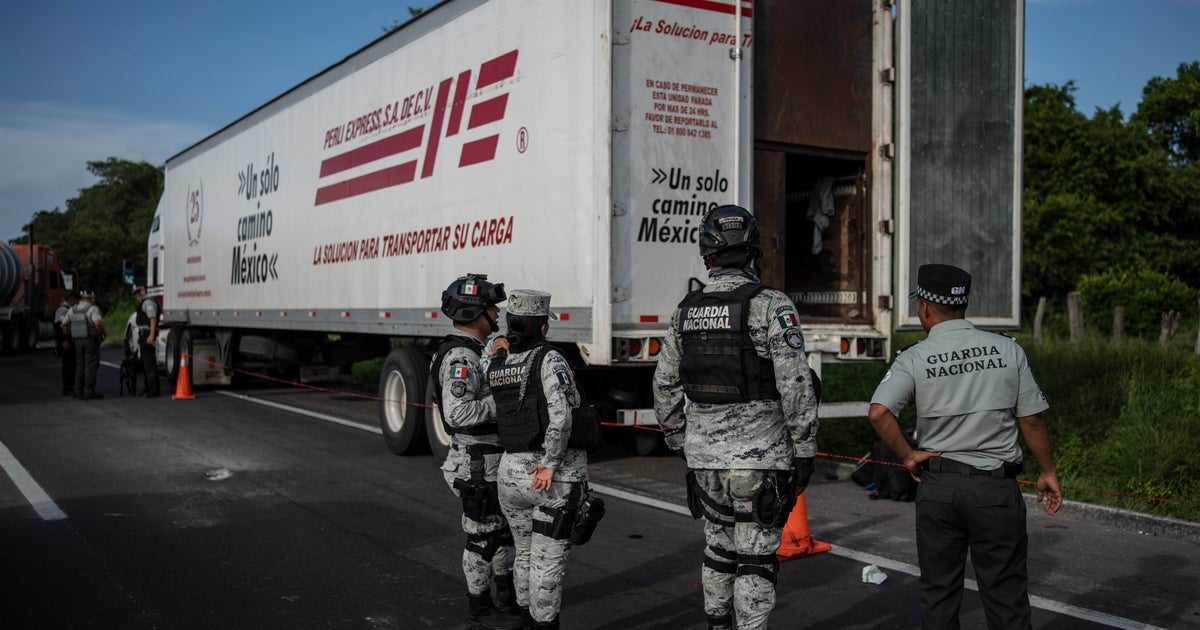
In a disturbing incident that highlights the ongoing humanitarian crisis at the U.S.-Mexico border, Mexican authorities made a shocking discovery on Monday when they found 229 migrants crammed into the back of a stolen truck in the eastern state of Veracruz. The discovery came about in an unexpected way – the migrants themselves began desperately calling for help from inside the vehicle after it had been taken to a police impound lot. Among those trapped in the dangerous conditions were 17 minors, and several individuals were suffering from dehydration by the time they were found. The majority of those rescued were from Central American countries, continuing a long-standing pattern of migration from that region toward the United States. This incident marks the first significant discovery of its kind in several months and may signal a potential shift in migration patterns since President Donald Trump returned to office.
The Dangerous Journey Through Veracruz
Veracruz has long been known as a critical corridor for migrants attempting to reach the United States, but it’s also one of the most dangerous routes they can take. The state has become notorious as a hunting ground for drug cartels and various criminal organizations that prey upon vulnerable migrants making the treacherous journey north. Smugglers regularly pack people into trucks under incredibly dangerous conditions in an attempt to evade law enforcement as they transport their human cargo toward the U.S. border. The truck in this case had been reported stolen and was stopped approximately 28 miles southeast of Xalapa, the state capital. After being towed to the impound lot, it sat there for hours before workers began hearing the desperate sounds of shouting and banging coming from inside the trailer. An employee at the Xalapa vehicle impound lot, speaking on condition of anonymity because they weren’t authorized to make public statements, described how they realized people were locked inside and immediately called emergency services to open the vehicle. By afternoon, state police buses had arrived to remove the migrants from the impound lot, though authorities didn’t specify where they were being taken. Typically in such cases, migrants found without legal status in Mexico are turned over to the country’s immigration agency for processing.
A Deadly Pattern of Smuggling Operations
The use of trucks and trailers to smuggle migrants through Mexico has become tragically common over the years, with smugglers showing little regard for human life in their pursuit of profit. These operations typically involve overcrowding vehicles to maximize the number of people transported, creating poor conditions that put migrants at serious risk of death during the journey. The dangers became horrifically clear in a deadly 2021 accident in southern Mexico, and even more so when 53 migrants died after being abandoned inside a truck in San Antonio, Texas, in 2022. That particular tragedy led to criminal convictions, with two smugglers receiving sentences of decades in prison for their role in those deaths. The methods used by these criminal operations have become increasingly sophisticated over time. Smugglers have modified trailers with hidden compartments specifically designed to conceal people during inspections by authorities. In some cases, they’ve even gone so far as to use fake ambulances to pass through security checkpoints without raising suspicion. The ingenuity applied to these illegal operations demonstrates the lucrative nature of human smuggling and the lengths to which criminal organizations will go to continue their activities.
The Shifting Landscape of Migration
The context surrounding this recent discovery is particularly significant given the dramatic changes in migration patterns over the past few years. Between 2022 and 2024, Mexican authorities significantly ramped up their efforts to intercept these smuggling operations, greatly increasing both the seizure of vehicles used for human trafficking and the detention of migrants found traveling inside them. These enforcement efforts, combined with other factors, contributed to a remarkable decline in migration numbers. According to internal federal statistics obtained by CBS News, unlawful crossings along the U.S.-Mexico border during fiscal year 2025 dropped to their lowest annual level since the early 1970s – a stunning reversal from the surge seen in previous years. However, the discovery of 229 migrants in Veracruz suggests that this downward trend may not continue indefinitely. While migration levels have taken what officials describe as a “nose dive” over the past year, there are emerging signs that movement northward may be slowly beginning to increase once again.
Signs of a Potential Resurgence
The indicators of renewed migration activity are still subtle but worth noting. Shelters located in southern Mexico have reported to the Associated Press that they’re seeing changes in the populations they serve. In addition to receiving non-Mexican foreigners who have been deported under Trump administration policies, these shelters have begun taking in Central Americans who are heading north toward the U.S. border. While the numbers remain very small at this point, the mere fact that this northward movement has resumed is significant to those who monitor migration patterns. This development comes at a time when the Trump administration has made immigration enforcement a centerpiece of its policy agenda, implementing strict deportation measures and putting pressure on Mexico to increase its own enforcement efforts. The question now is whether this incident in Veracruz represents an isolated occurrence or the beginning of a new trend that will see migration numbers climb back up in the coming months.
The Human Cost and Ongoing Challenges
Beyond the statistics and policy discussions, incidents like the one in Veracruz remind us of the very human dimension of the migration crisis. The 229 people found in that truck – including 17 children – were real individuals who made the difficult decision to leave their homes and embark on a dangerous journey in hopes of finding better opportunities or escaping difficult circumstances in their home countries. The fact that they were crammed into a stolen vehicle, left to suffer in conditions that led to dehydration, and dependent on their own desperate cries for help to be rescued, illustrates the vulnerability of migrants and the callousness of the smuggling networks that profit from their desperation. As authorities on both sides of the border continue to grapple with how to manage migration flows, incidents like this underscore the need for approaches that balance enforcement with humanitarian concerns. The cycle of migration, smuggling, and enforcement continues to evolve, shaped by policy decisions, economic conditions, violence in Central America, and the actions of criminal organizations. For now, the migrants found in Veracruz are safe, but countless others continue to contemplate or undertake similar dangerous journeys, ensuring that this issue will remain at the forefront of binational discussions between the United States and Mexico for the foreseeable future.