


Barcelona’s Sagrada Familia Reaches Its Maximum Height After 140 Years
A Historic Milestone for Gaudí’s Masterpiece
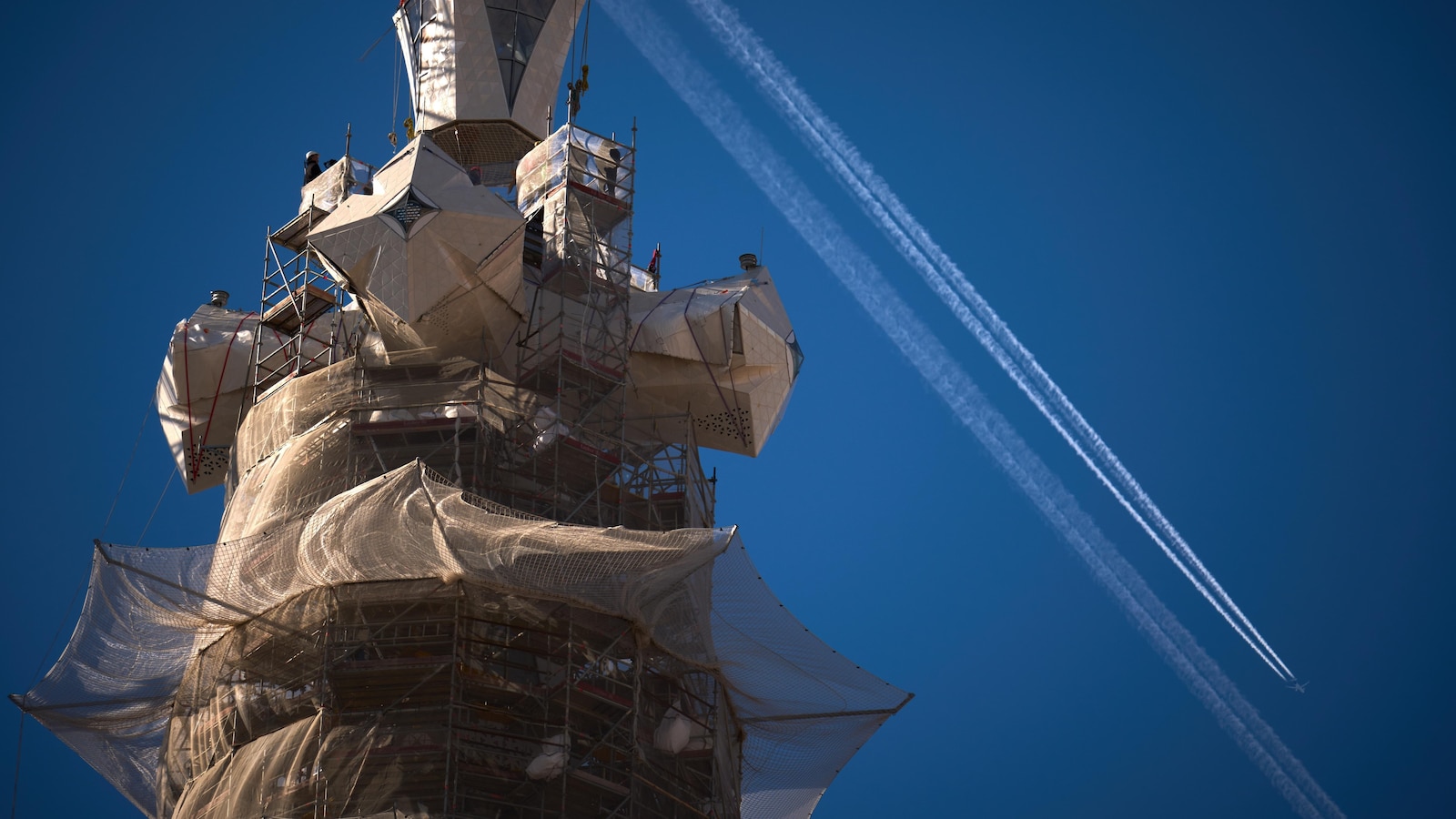
After more than a century of construction, Barcelona’s iconic Sagrada Familia basilica has finally reached its maximum intended height, marking a significant milestone in the completion of Antoni Gaudí’s architectural masterpiece. On a momentous Friday, a massive crane carefully positioned the upper arm of a cross atop the Tower of Jesus Christ, the church’s magnificent central spire. This achievement brings the structure to an impressive height of 172.5 meters (566 feet) above the vibrant streets of Barcelona, making it not only a spiritual beacon but also an architectural marvel that dominates the city’s skyline. While this represents tremendous progress toward completion, the beloved monument still requires several more years of dedicated work before it can be considered fully finished, continuing a construction journey that has captivated the world for generations.
The Long Journey from Foundation to Sky
The extraordinary story of the Sagrada Familia began in 1882 when the first stone was ceremoniously placed, launching what would become one of the world’s most ambitious and enduring architectural projects. The visionary Catalan architect Antoni Gaudí took charge of the project early on, pouring his genius and devotion into every detail of the design. However, Gaudí was a realist who understood the magnitude of his creation—he never expected to see his masterwork completed during his lifetime. His prescience proved accurate; when he tragically died in 1926 at the age of 73 after being struck by a tram, only one of the basilica’s multiple planned towers had been finished. Despite this seemingly slow progress, Gaudí’s revolutionary vision never wavered, and he left behind detailed plans and models that would guide future generations of architects and builders in continuing his sacred mission.
A Modern Tourist Marvel Funding Its Own Completion
In recent decades, the pace of construction has accelerated dramatically, fueled by an unexpected but welcome development: the Sagrada Familia has become one of the world’s most visited tourist attractions. Millions of visitors from every corner of the globe flock to Barcelona each year, drawn by Gaudí’s radical and breathtaking aesthetic that masterfully combines profound Catholic symbolism with organic, nature-inspired forms. The architect’s unique approach to design, which seems to blur the boundaries between the sacred and the natural world, has created an atmosphere unlike any other religious structure on Earth. These entrance fees paid by enchanted tourists have largely funded the ongoing construction work, creating a beautiful symbiosis where appreciation for Gaudí’s genius directly enables the realization of his vision. This financial model has proven remarkably successful, allowing craftsmen and architects to work with the resources and time necessary to honor Gaudí’s exacting standards and innovative techniques.
Racing Toward a Centenary Celebration
While the interior of the Tower of Jesus Christ still requires considerable work and the exterior remains surrounded by construction cranes and scaffolding, completing the central tower’s maximum height has been identified as a crucial priority. This urgency stems from the approaching June celebrations marking the centenary of Gaudí’s death—a momentous occasion that will honor the architect’s enduring legacy and influence on world architecture. The construction teams are working diligently to remove the scaffolding surrounding the central tower before these commemorative events, with plans to officially inaugurate the Tower of Jesus Christ during the centenary celebrations. According to the church’s rector, Reverend Josep Turull, the cross was designed by Gaudí with four arms so that its distinctive shape can be recognized from any direction across Barcelona’s landscape. The original architectural plans also include an ambitious feature: light beams shining from each of the cross’s arms, symbolizing the church’s role as a spiritual lighthouse guiding the faithful—though this element still requires approval from Barcelona’s city government before it can be implemented.
World’s Tallest Church and Its Spiritual Significance
The Sagrada Familia achieved another remarkable distinction in October of the previous year when it officially became the world’s tallest church, surpassing Germany’s Ulmer Münster, a Gothic Lutheran church that had held the record for centuries. The German church, built over more than 500 years beginning in 1377, reaches a height of 161.53 meters (530 feet)—impressive by any measure, but now eclipsed by Gaudí’s soaring vision. This achievement represents more than just architectural one-upmanship; it symbolizes the enduring power of faith and human creativity to inspire projects that span generations. The cross installed on Friday afternoon carries deep spiritual significance beyond its structural importance. At its base, a prayer verse has been inscribed that reads: “You alone are the Holy One, you alone are the Lord, you alone are the Most High.” This sacred text transforms the architectural achievement into a profound act of worship, reminding all who gaze upon the towering structure that it exists not merely as a monument to human ingenuity but as a testament to divine glory.
Celebrating Gaudí’s Enduring Legacy
As the Sagrada Familia approaches this significant milestone, Barcelona and the world prepare to celebrate the centenary of Antoni Gaudí’s death with numerous events honoring the Catalan Modernist’s extraordinary contributions to architecture and design. Gaudí’s legacy extends far beyond the Sagrada Familia, encompassing numerous other stunning buildings throughout Barcelona and across Spain, each bearing his distinctive style that merged Modernist innovation with deeply rooted Catalan traditions and Catholic faith. His work represented a complete break from the architectural conventions of his time, embracing curved lines inspired by nature, vibrant colors, innovative use of materials, and symbolic elements that told stories and conveyed spiritual truths. The upcoming celebrations will provide opportunities for both scholars and admirers to reflect on how Gaudí’s revolutionary approach continues to influence contemporary architecture and inspire wonder in new generations. Though the Sagrada Familia still requires years of work before it can be declared complete, the achievement of reaching its maximum height represents a powerful moment of connection between past and present, between Gaudí’s original vision and the dedicated craftsmen who continue to bring it to life, ensuring that his masterpiece will eventually stand finished as a eternal tribute to faith, creativity, and the remarkable things humans can accomplish when they dare to dream across centuries.