


Bayer’s Monsanto Subsidiary Proposes Multi-Billion Dollar Roundup Settlement
A Massive Legal Resolution in the Making
In a significant development that could bring closure to one of the most contentious product liability cases in recent history, Bayer announced on Tuesday that its Monsanto chemical subsidiary has put forward a proposed settlement of $7.25 billion to address thousands of lawsuits filed by customers who claim that exposure to Roundup weedkiller caused them to develop non-Hodgkin lymphoma. This announcement represents another chapter in Bayer’s ongoing struggle to manage the legal fallout from its 2018 acquisition of Monsanto, a purchase that has proven to be far more costly than initially anticipated. The proposed settlement, which still requires court approval to move forward, would see Monsanto making annual payments spanning up to 21 years to eligible claimants. People who have been diagnosed with non-Hodgkin lymphoma and were exposed to Roundup before Tuesday’s announcement will be able to file claims to receive compensation payments, according to reporting by Reuters. This structured payment approach suggests that Bayer is attempting to manage its financial obligations over an extended period rather than facing an immediate massive payout that could strain the company’s resources.
Understanding the Health Concerns at the Heart of the Lawsuits
The medical condition at the center of these lawsuits, non-Hodgkin lymphoma, is a serious form of cancer that originates in white blood cells called lymphocytes, which play a crucial role in the body’s immune system by fighting infections. When these cells become cancerous, they can multiply uncontrollably and spread throughout the lymphatic system, potentially affecting various organs and tissues in the body. Thousands of plaintiffs have claimed that their exposure to Roundup, one of the world’s most widely used herbicides, directly contributed to their development of this devastating disease. The active ingredient in Roundup, glyphosate, has been the subject of intense scientific debate and regulatory scrutiny for years, with some studies suggesting potential carcinogenic properties while others have found no definitive link to cancer. This scientific uncertainty has not prevented juries from siding with plaintiffs in several high-profile cases, leading to massive verdicts that have compelled Bayer to seek settlement solutions rather than continue fighting each case individually in court.
Bayer’s Financial Liability Continues to Grow
In its official statement regarding the settlement proposal, Bayer was careful to note that the agreement does not include any admission of liability or wrongdoing on the part of the company or its Monsanto subsidiary. This legal language is standard in such settlements and allows the company to resolve claims while maintaining its public position that Roundup is safe when used as directed. However, the financial reality tells a different story about the burden these lawsuits have placed on the German agricultural and pharmaceutical giant. Bayer revealed that these new resolutions will significantly increase its litigation liability from 7.8 billion euros (approximately $9.2 billion) to a staggering 11.8 billion euros (roughly $13.9 billion). This represents a substantial portion of the company’s resources being dedicated to resolving legal claims rather than investing in research, development, or other business operations. Furthermore, Bayer announced on the same day that it had reached agreements to resolve additional Roundup-related cases beyond the main settlement, with these supplementary settlements amounting to approximately $3 billion, though the exact terms of these agreements were not publicly disclosed.
The Costly Aftermath of the Monsanto Acquisition
The avalanche of Roundup-related lawsuits has transformed Bayer’s 2018 acquisition of Monsanto for $63 billion into what many financial analysts consider one of the most problematic corporate purchases in recent business history. What initially seemed like a strategic move to strengthen Bayer’s position in the agricultural sector has instead become a source of ongoing financial and reputational damage. The litigation problems were not entirely unforeseen at the time of the acquisition, as Monsanto already faced some legal challenges, but the scale and cost of the lawsuits have far exceeded initial projections. In 2020, just two years after the acquisition, Bayer was already announcing plans to pay up to $10.9 billion to settle approximately 125,000 filed and unfiled claims related to Roundup. That settlement was supposed to put most of the legal troubles behind the company, but new cases have continued to emerge, forcing Bayer to return to the settlement table repeatedly. The company’s shareholders have been vocal in their criticism of management’s handling of the acquisition and its aftermath, with some calling for leadership changes and strategic reassessments of the company’s direction.
High-Profile Verdicts and Ongoing Legal Battles
The pressure on Bayer to settle these cases has been intensified by several jury verdicts that have awarded massive damages to individual plaintiffs. Three years after the initial 2020 settlement, a jury awarded a California man an eye-popping $332 million after determining that Monsanto had failed to adequately warn consumers about the potential risks associated with using Roundup. Such verdicts, even when reduced on appeal, send a strong message about how juries perceive the evidence and the company’s conduct, making continued litigation an increasingly risky proposition for Bayer. The legal theory behind many of these cases focuses not necessarily on proving definitively that Roundup causes cancer, but rather on demonstrating that Monsanto knew or should have known about potential risks and failed to provide adequate warnings to consumers. Internal company documents that have emerged during litigation have sometimes suggested that Monsanto was aware of concerns about glyphosate’s safety but chose to downplay or dispute them publicly. These revelations have proven particularly damaging in court, where juries have shown a willingness to punish what they perceive as corporate negligence or indifference to public health concerns.
The Product Remains on Shelves Despite Controversy
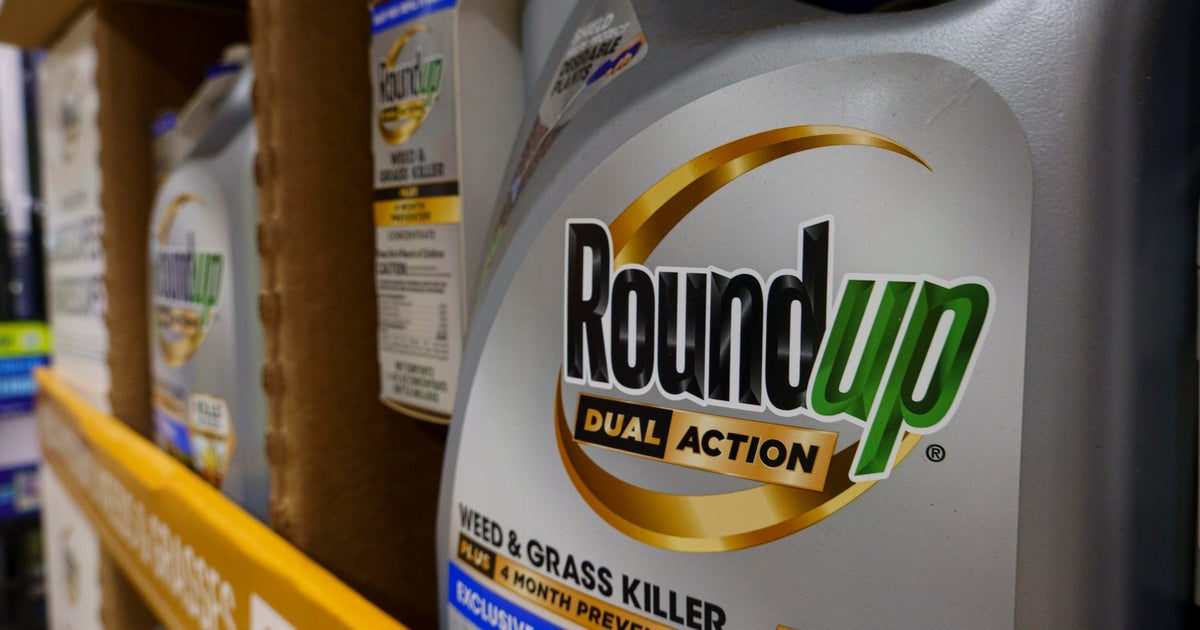
Perhaps most remarkably, despite the billions of dollars in settlements and the thousands of lawsuits alleging serious health consequences, Roundup remains widely available for purchase. Consumers can still find the product for sale online through major retailers and in physical stores across the country. Bayer has consistently maintained its position that Roundup products are safe when used according to the label directions and that their ingredients have undergone thorough testing and regulatory review. The company points to regulatory agencies in various countries, including the U.S. Environmental Protection Agency, that have determined glyphosate does not pose unreasonable risks when used as directed. However, this regulatory approval has not insulated the company from legal liability, as juries have sometimes taken a different view of the evidence and the adequacy of warnings provided to consumers. The continued availability of Roundup highlights the complex nature of product safety disputes, where scientific uncertainty, regulatory determinations, and legal liability can all point in different directions. For Bayer, the challenge moving forward will be managing its ongoing legal exposures while attempting to preserve the commercial value of a product line that, despite the controversies, remains widely used in agriculture and home gardening. Whether the proposed $7.25 billion settlement will finally bring closure to this lengthy legal saga remains to be seen, as court approval is still required and new claims may continue to emerge as more people are diagnosed with non-Hodgkin lymphoma and potentially connect their illness to Roundup exposure.