


Senator Cory Booker Challenges Trump Administration in Landmark Roundup Cancer Case
A High-Stakes Legal Battle Over Consumer Safety
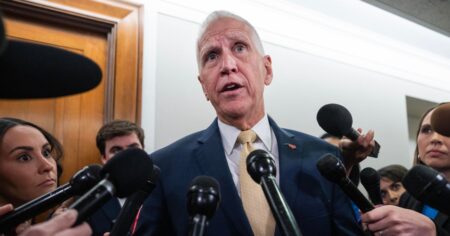
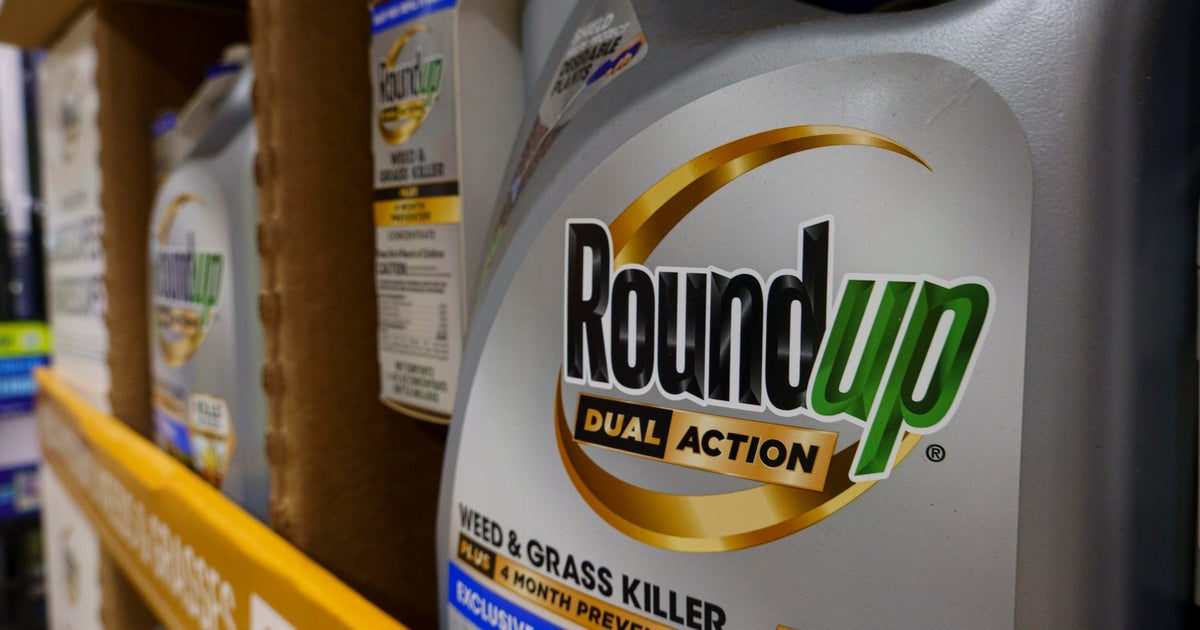
In a significant move that puts him at odds with the Trump administration, Democratic Senator Cory Booker has stepped into one of the most consequential legal battles facing American consumers today. On Wednesday, Booker filed a legal brief with the U.S. Supreme Court supporting cancer patients who are suing Monsanto over allegations that the company’s weedkiller, Roundup, caused their illnesses. This case, formally known as Monsanto Company v. John L. Durnell, has the potential to determine whether thousands of pending lawsuits against the agrochemical giant can proceed or will be blocked entirely. At the heart of this legal showdown is a fundamental question about corporate accountability: can companies be held responsible in state courts for failing to adequately warn consumers about potential health risks, or does federal regulatory approval shield them from such liability? The outcome will affect not just the thousands of plaintiffs who claim Roundup gave them cancer, but could set a precedent for how corporations are held accountable for product safety across numerous industries.
The Core Legal Question and What’s at Stake
The central issue before the Supreme Court is whether federal law governing pesticide labeling—specifically the Federal Insecticide, Fungicide, and Rodenticide Act—prevents individuals from bringing state-level lawsuits claiming that Monsanto failed to properly warn users about cancer risks associated with Roundup. Monsanto, now owned by the pharmaceutical giant Bayer, argues that once federal regulators approve a product’s labeling, companies should be protected from state-level failure-to-warn claims. They contend that federal law was designed to create a “uniform, nationwide framework” for pesticide labeling and that allowing state lawsuits to proceed would create a patchwork of conflicting standards across the country. The company insists that “the security and affordability of the nation’s food supply depend on farmers’ and manufacturers’ ability to rely on the science-based judgments of federal regulators.” If the Supreme Court sides with Monsanto, it could effectively shut down many of the lawsuits brought by people who developed non-Hodgkin lymphoma—a type of blood cancer—after years of exposure to glyphosate, the active ingredient in Roundup. Conversely, a ruling against the company would allow these cases to continue through state courts, potentially exposing Monsanto to billions more in damages beyond the more than $10 billion they’ve already paid to settle earlier claims.
Senator Booker’s Arguments for Corporate Accountability
In his amicus brief—a legal document filed by someone who is not a party to the case but has a strong interest in its outcome—Senator Booker makes several compelling arguments against Monsanto’s position. He contends that Monsanto is essentially asking the Supreme Court to grant them a “broad federal shield from liability” that the company has “repeatedly failed to obtain from elected representatives.” In other words, Booker argues that because Congress has debated but not passed legislation to provide such protections, the company is now turning to the courts to achieve what it couldn’t accomplish through the democratic legislative process. Booker emphasizes that federal pesticide law was designed to establish minimum safety standards, not to block state-level lawsuits entirely. He argues that these state lawsuits serve a vital purpose as a mechanism for holding companies accountable, especially as scientific understanding of potential health risks evolves over time. This is particularly relevant in the Roundup case, where the scientific debate about glyphosate’s safety continues to this day. Booker’s position reflects a broader philosophy about consumer protection: that federal approval should represent a floor, not a ceiling, for safety standards, and that states should retain the ability to provide additional protections for their residents when new evidence emerges about potential dangers.
A Sharp Contrast with the Trump Administration’s Stance
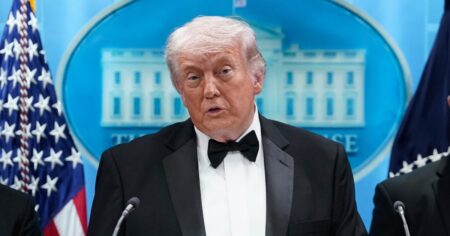
The clash between Senator Booker and the Trump administration on this issue couldn’t be more stark. While Booker has filed his brief supporting the cancer patients, the Justice Department has filed its own brief backing Monsanto’s position. The Trump administration argues that federal law should preempt state-level failure-to-warn claims because federal regulators have already reviewed and approved Roundup’s labeling. This position aligns with the administration’s broader regulatory philosophy of limiting what they view as burdensome litigation against businesses. Making matters even more contentious, President Trump has taken active steps to boost domestic production of glyphosate, describing it as critical to national security and the U.S. food supply—even as litigation over its safety continues to wind through the courts. In February, Trump issued an executive order directing federal agencies to increase glyphosate production, a move that Senator Booker publicly condemned. This executive action seemed to send a clear signal that the administration views economic and food security concerns as outweighing the health concerns raised by thousands of plaintiffs who claim the herbicide gave them cancer. The timing of this policy push while the Supreme Court considers whether these plaintiffs can even have their day in court has added another layer of controversy to an already heated debate.
The Science Behind the Controversy
At the center of this legal and political storm is glyphosate, the active ingredient in Roundup and one of the most widely used herbicides in the world. The scientific debate over whether glyphosate causes cancer has raged for years, with different authoritative bodies reaching contradictory conclusions. The World Health Organization’s International Agency for Research on Cancer classified glyphosate as a “probable carcinogen” in 2015, a determination that sent shockwaves through the agricultural industry and prompted the first wave of lawsuits. However, the U.S. Environmental Protection Agency has maintained that glyphosate is not likely to cause cancer when used as directed, a position the agency has reaffirmed multiple times. Monsanto has consistently denied any link between glyphosate and cancer, pointing to what they describe as hundreds of studies demonstrating the chemical’s safety. This scientific disagreement has fueled years of litigation, with some juries finding the evidence compelling enough to award massive damages to plaintiffs. One of the most notable cases was a 2018 lawsuit in which a jury awarded $289 million to a man dying of cancer—a case that was successfully argued by Robert F. Kennedy Jr., who would later become Secretary of Health and Human Services in the Trump administration. The fact that key government figures have been on different sides of this issue at different times underscores just how complex and contentious the science remains.
Looking Ahead: Implications for Corporate Accountability and Consumer Protection
The Supreme Court is scheduled to hear oral arguments in this case on April 27, with a decision expected sometime later this term, likely by the end of June. The ruling will have far-reaching implications that extend well beyond just Roundup litigation. If the Court sides with Monsanto, it could establish a precedent that makes it significantly harder for consumers to hold corporations accountable for inadequate safety warnings whenever a federal agency has approved a product’s labeling. This could affect not just pesticides but potentially other regulated products, from pharmaceuticals to consumer goods. On the other hand, a ruling in favor of the plaintiffs would reaffirm the principle that federal approval doesn’t grant companies blanket immunity from state-level lawsuits, particularly when new scientific evidence emerges about potential risks. Senator Booker has not limited his efforts to this court case; he has also introduced legislation in Congress aimed at strengthening accountability for pesticide manufacturers, including bills that would allow people harmed by pesticides to sue in federal court and legislation targeting the use of certain harmful chemicals. For the thousands of plaintiffs awaiting their day in court—many of whom are cancer patients or the families of those who have died—this Supreme Court decision will determine whether they have any hope of receiving compensation for their suffering and holding Monsanto accountable for what they allege was a failure to adequately warn them about the risks they were taking every time they used Roundup.