

Senior Buddhist Monk Arrested in Sri Lanka: A Crisis of Faith and Trust
A Shocking Arrest That Shook the Nation
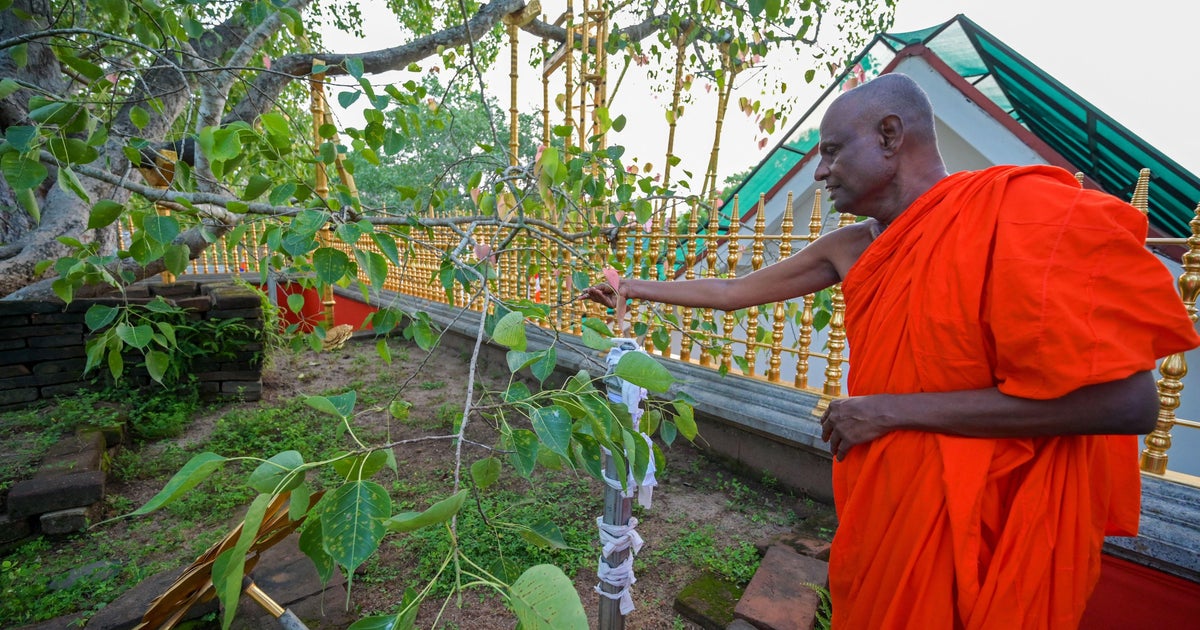
The arrest of a 71-year-old senior Buddhist monk in Sri Lanka has sent shockwaves through the deeply religious island nation, marking what authorities describe as the highest-profile case of clergy abuse in the country’s history. Pallegama Hemarathana, a revered religious figure who held one of Buddhism’s most sacred positions, was taken into custody at a private hospital in Colombo where he had been seeking treatment over the weekend. The charges against him are deeply disturbing: the alleged sexual abuse of an 11-year-old girl that reportedly occurred in 2022 at one of the country’s most venerated temples in Anuradhapura, an ancient city located approximately 125 miles north of the capital and recognized globally as a UNESCO World Heritage Site. The arrest itself was the culmination of an investigation that had been quietly building, and just one day before his detention, a local court had already taken the precautionary step of imposing a foreign travel ban on the monk, suggesting that authorities were concerned he might attempt to flee the country. The gravity of this case cannot be overstated—this wasn’t just any religious figure, but rather the chief custodian of the Sri Maha Bodhi tree, believed to have grown from a sapling of the very Bodhi tree under which Buddha achieved enlightenment more than 2,500 years ago. In a further troubling development, police also arrested the victim’s mother, charging her with aiding and abetting the monk in this alleged crime, raising painful questions about how vulnerable children can be protected when those meant to safeguard them fail in their duty.
The Sacred Position and Its Responsibilities
To understand the magnitude of this scandal, one must first appreciate the extraordinary religious significance of Pallegama Hemarathana’s position within Sri Lankan Buddhism. As the chief priest of a temple in Anuradhapura and the principal custodian of the sacred Bodhi tree, Hemarathana held a role that went far beyond ordinary religious leadership—he was entrusted with protecting and maintaining one of Buddhism’s most revered living monuments. The Sri Maha Bodhi tree isn’t just any tree; for Buddhists worldwide, it represents a direct, living connection to the historical Buddha himself, a tangible link stretching back millennia to that transformative moment of enlightenment. Pilgrims travel from across the globe to see this sacred tree, to meditate in its presence, and to receive blessings from its custodian. Hemarathana’s responsibilities extended even further—he served as the chief of eight highly venerated temples along a key Buddhist pilgrim route, giving him influence and authority over a vast network of religious sites and communities. This position would have commanded immense respect and trust from devotees, making the allegations against him all the more devastating for those who looked to him for spiritual guidance. The role also would have provided him with access to countless families and children who visited the temple, seeking blessings and spiritual merit. Now, that sacred trust stands shattered, and the very position that should have been a symbol of spiritual purity and protection has become the backdrop for allegations of the most heinous violation of innocence.
Legal Proceedings and Official Response
As the case moves forward through Sri Lanka’s legal system, authorities have indicated they are proceeding carefully and deliberately. According to a police statement released on Saturday, investigators stated, “We will be guided by the magistrate on further action,” suggesting a measured approach to what is clearly a sensitive and high-profile prosecution. The monk is scheduled to appear before a judge, with BBC reports indicating that his court appearance was set for Tuesday. Notably, Hemarathana has not yet made any public comments regarding the charges against him, leaving the nation and the international Buddhist community waiting to hear his response to these serious allegations. The legal process in Sri Lanka, as in many countries, presumes innocence until guilt is proven in court, but the arrest itself required sufficient evidence to convince authorities that charges were warranted. The investigation that led to this arrest would have been particularly challenging, given the accused’s prominent position and the power dynamics involved. The fact that the alleged crime took place in 2022 means there was a significant gap between the incident and the arrest, raising questions about when authorities first became aware of the allegations and what factors might have delayed action. The simultaneous arrest of the victim’s mother on charges of aiding and abetting adds another layer of complexity to the case, suggesting that prosecutors believe others were complicit in enabling the alleged abuse or perhaps covering it up.
A Pattern of Problems Within Religious Communities
While this arrest represents the most senior monk to be accused of such crimes in Sri Lanka, it unfortunately does not exist in isolation. The country has witnessed several previous cases of clergy members abusing children, part of a troubling pattern that has emerged in religious institutions worldwide across various faiths. Just days before Hemarathana’s arrest, authorities at Sri Lanka’s main international airport detained 22 monks who were returning from Thailand after discovering they were carrying a staggering 242 pounds of powerful cannabis—a record-breaking seizure that highlighted a different but equally concerning issue with some members of the clergy engaging in serious criminal activity. These incidents collectively suggest systemic problems within certain segments of the religious community, where the authority and respect afforded to clergy members may be exploited for personal gain or to engage in criminal behavior while protected by their robes and status. The cannabis case, involving such a large quantity of drugs and so many monks, points to what may be organized criminal activity rather than isolated incidents of poor judgment. These cases have undoubtedly shaken public confidence in religious institutions, creating a crisis of faith among devotees who have dedicated their lives to following Buddhist teachings and supporting temples and monks financially and spiritually.
Regional Context: Scandals Across Buddhist Communities
The problems in Sri Lanka’s Buddhist clergy are not unique to the island nation but rather reflect troubling patterns that have emerged across Buddhist communities throughout Southeast Asia in recent years. In 2025, Thai police arrested a monk over allegations that he had embezzled more than $9 million from the prominent temple he administered—money that had been donated by faithful devotees who trusted him to use their contributions for religious purposes. The previous year, in 2024, Thai authorities launched an investigation into a Buddhist monastery after the shocking discovery of 41 bodies on the premises, which were allegedly being used for meditation practices, raising disturbing questions about what was actually occurring behind monastery walls. In 2022, an entire temple’s worth of monks in central Thailand were defrocked after every single one tested positive for methamphetamine use, and they were subsequently sent to health clinics for drug rehabilitation. These cases, spanning multiple countries and involving everything from financial crimes to drug abuse to potential abuse of human remains, paint a picture of religious institutions in crisis. They suggest that the traditional mechanisms of accountability and oversight within these religious communities may have broken down or proven inadequate to address modern challenges. The scandals have prompted difficult conversations within Buddhist communities about how to maintain the integrity of religious institutions while acknowledging and addressing the very human failings of those who wear the saffron robes. For ordinary believers, these revelations have been deeply painful, forcing them to reconcile their devotion to Buddhist teachings with the reality that some who claim to represent those teachings have strayed far from the path of righteousness.
Implications for Faith, Justice, and Institutional Reform
The arrest of Pallegama Hemarathana represents more than just one criminal case—it symbolizes a broader reckoning that religious institutions in Sri Lanka and beyond must face. For the young victim at the center of this case, the road ahead will be difficult, requiring not just legal justice but also extensive support to heal from trauma inflicted by someone in a position of ultimate trust and authority. The fact that her own mother has been charged with aiding and abetting the alleged abuse adds another layer of betrayal and complexity to her situation. For Sri Lankan society, particularly its Buddhist majority, this case forces a painful examination of how religious authority can be abused and how communities must develop better mechanisms to protect the vulnerable, especially children. The traditional reverence shown to monks and the hesitation to question religious figures may have created environments where abuse could occur and remain hidden. Moving forward, religious institutions will need to implement stronger safeguards, including better screening of those entering monastic life, clearer reporting mechanisms for suspected abuse, and willingness to cooperate fully with civil authorities when crimes are alleged. The international Buddhist community, too, must grapple with these issues, recognizing that the problems revealed in Sri Lanka, Thailand, and elsewhere require systemic responses rather than treating each case as an isolated incident. For believers struggling with their faith in the wake of these scandals, religious leaders emphasize that the failings of individual monks do not invalidate the teachings of Buddhism itself—that the Buddha’s message of compassion, mindfulness, and ethical living remains true even when those who claim to follow it fall tragically short. The challenge now is ensuring that justice is served in this case, that the victim receives appropriate support, and that meaningful reforms are implemented to prevent such abuses in the future, so that temples and monasteries can once again be places of genuine spiritual refuge rather than potential sites of harm.