
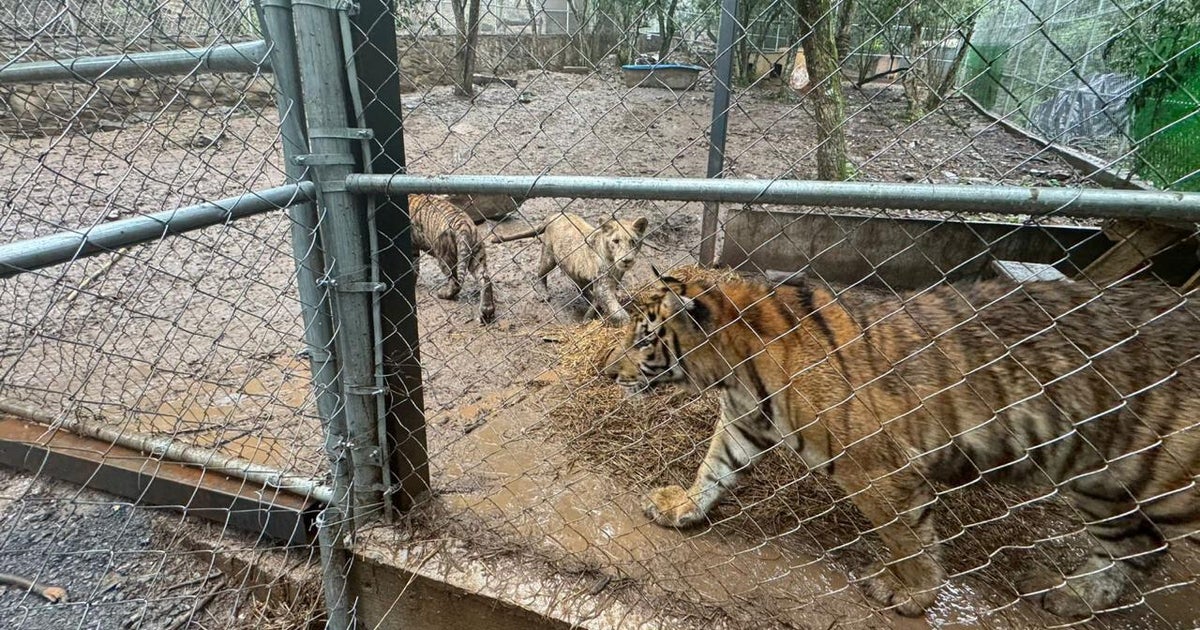

Major Cartel Leader Arrested in Mexico Along With Seven Tigers and Arsenal of Weapons
High-Profile Capture Reveals Dark World of Border Crime
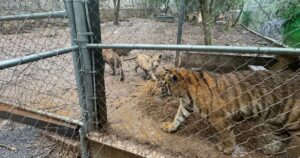
Mexican authorities announced on Monday the arrest of a significant cartel leader whose detention exposed not only the violent criminal enterprise operating near the U.S.-Mexico border but also a bizarre collection of exotic animals kept as symbols of power and intimidation. José Antonio Cortes Huerta, a 39-year-old man who led a cell connected to the notorious Northeast Cartel, was taken into custody in Nuevo León. The arrest came as the result of an ongoing investigation that began after authorities seized a boat in the neighboring state of Tamaulipas. Along with Huerta, officials detained 41-year-old Rosario Flores Alemán, who was identified as an associate. What made this arrest particularly striking wasn’t just the capture of a major criminal figure, but what authorities discovered in the process: seven live tigers, along with an extensive cache of weapons, drugs, and cash.
Security Minister Omar Garcia Harfuch revealed details of the operation through social media, outlining the extraordinary haul recovered during the arrest. Law enforcement confiscated unidentified narcotics, a substantial amount of cash, 10 firearms, 11 vehicles, and six motorcycles—and, most dramatically, seven tigers. The presence of these exotic big cats might seem surprising to those unfamiliar with cartel culture, but experts on organized crime in Mexico note that some drug trafficking organizations have developed a disturbing trend of keeping dangerous exotic animals. These creatures serve multiple purposes for cartel leaders: they’re living symbols of wealth and power, demonstrating the reach and resources of criminal organizations that operate beyond the law. Even more disturbingly, these animals have occasionally been used for disposing of enemies in the most brutal fashion imaginable. According to a 2023 U.S. indictment against a faction of the Sinaloa cartel, some victims were reportedly “fed dead or alive to tigers,” a chilling detail that illustrates the extreme violence these organizations are willing to employ to maintain control and instill fear.
Connections to Broader Criminal Network
The items seized during the arrest have been linked to Roberto Blanco Cantu, a figure known by the ominous nickname “El Señor de los Buques,” which translates to “The Lord of the Ships.” Cantu holds a majority stake in a company called Mefra Fletes and faces accusations of fuel smuggling operations. Like Huerta, Cantu is affiliated with the Northeast Cartel, the criminal organization at the center of this investigation. The Northeast Cartel, known in Spanish as Cártel del Noreste, represents what remains of the infamous Zetas crime syndicate, one of the most violent criminal organizations in Mexican history. The Zetas originally formed from elite Mexican military deserters and became known for their tactical sophistication and extreme brutality. Though the original Zetas organization has splintered over the years, the Northeast Cartel inherited much of their predecessor’s reputation for violence and their strategic control over key territories along the U.S.-Mexico border.
The significance of this criminal organization was formally recognized by the United States government when the Trump administration designated the Northeast Cartel as a foreign terrorist organization in 2025. This designation places the group in the same category as international terrorist networks and allows for expanded legal tools to combat their operations. Just last month, demonstrating the ongoing international effort to dismantle the cartel’s financial networks, the U.S. government issued sanctions against three individuals and two casinos for their alleged connections to the organization. According to statements from the U.S. Treasury Department, the Northeast Cartel plays a major role in trafficking illegal narcotics across the border, with their operations including the distribution of fentanyl, crystal methamphetamine, heroin, and cocaine—substances that have contributed to devastating addiction crises in communities throughout the United States.
A Campaign of Terror Along the Border
The Treasury Department’s assessment of the Northeast Cartel paints a picture of an organization that rules through systematic intimidation and violence, describing what they call a “campaign of terror on the border.” The cartel’s operations extend well beyond simple drug trafficking; they represent a multifaceted criminal enterprise that has deeply infiltrated various aspects of society in the regions they control. According to official U.S. government statements, the organization, referred to by its Spanish acronym CDN, engages in violent criminal activity on both the Mexican and American sides of the border. Their operations include kidnapping and killing individuals who pose any threat to their criminal activities in the southern border region. The cartel has managed to establish what amounts to a shadow government in some areas, using terror-fueled influence to maintain absolute control over lucrative drug trafficking routes and human smuggling operations that move desperate migrants northward toward the United States.
The corruption facilitated by the Northeast Cartel extends into the highest levels of society in the territories they dominate. The organization systematically bribes politicians and journalists, ensuring favorable treatment from government officials while silencing media voices that might expose their activities or turn public opinion against them. Beyond these corruption schemes, the cartel runs extensive extortion operations targeting local businesses and shipments moving to and from the United States through what is described as the busiest inland point of entry for trade between the two nations. This criminal taxation system allows the cartel to extract wealth from the legitimate economy while simultaneously using border commerce as cover for their illegal operations. The result is a climate of fear in which ordinary business owners, truck drivers, and residents live under the constant threat of violence should they refuse to comply with cartel demands or cooperate with law enforcement.
Intensified Pressure on Mexican Cartels
The arrest of Huerta represents just one operation in a broader intensification of Mexican government efforts to combat powerful drug trafficking organizations. This crackdown comes amid renewed pressure from the Trump administration, which has made border security and the fight against Mexican cartels a central priority of its foreign policy toward Mexico. The Mexican government has responded with a series of high-profile operations targeting the leadership of various cartel organizations. Last month, Mexican military forces captured one of the top leaders of the Jalisco New Generation Cartel in the northwestern part of the country. This arrest came approximately two months after the reported death of “El Mencho,” the overall leader of that organization, which had grown to become one of the most powerful and violent cartels in Mexico, with operations extending throughout Latin America and connections to markets in Europe and Asia.
Just days before that significant capture, Mexican soldiers carried out another major operation, this time targeting associates of Joaquin “El Chapo” Guzman’s brother. El Chapo, whose real name is Joaquin Guzman Loera, was once the leader of the Sinaloa Cartel and one of the world’s most wanted criminals before his capture and extradition to the United States, where he now serves a life sentence in a maximum-security prison. Despite El Chapo’s imprisonment, his family and associates have continued operating various factions of the organization. In the recent operation, Mexican forces captured three of the closest allies of El Chapo’s brother, an operation that was notably backed by U.S. intelligence agencies. This cooperation between Mexican and American authorities represents the kind of bilateral approach that both governments have identified as essential to making meaningful progress against organizations that operate seamlessly across the international border.
The Ongoing Challenge of Cartel Violence
These arrests, while significant, represent individual battles in a much longer war against organized crime that has plagued Mexico for decades. The country has experienced extraordinary levels of violence related to drug trafficking, with tens of thousands of deaths attributed to cartel-related killings in recent years. The cartels have evolved into sophisticated criminal enterprises with military-grade weapons, extensive intelligence networks, and the financial resources to corrupt officials at multiple levels of government. For ordinary Mexican citizens, particularly those living in contested territories where cartels compete for control, the violence has created a humanitarian crisis. Families live in fear, businesses operate under the threat of extortion, and journalists who dare to report on cartel activities face assassination. The discovery of the tigers during Huerta’s arrest serves as a vivid reminder of the cartels’ disregard for both human life and international law, as these endangered animals are illegally trafficked and kept in conditions that would never be approved by legitimate wildlife authorities.
The path forward requires sustained commitment from both Mexican and U.S. authorities, addressing not only the violent criminal organizations themselves but also the conditions that allow them to thrive: poverty, corruption, and the insatiable demand for illegal drugs in consumer markets. While arrests of high-level cartel figures generate headlines and temporarily disrupt operations, history has shown that these organizations often regenerate under new leadership unless the underlying systems that support them are dismantled. As Mexico continues its crackdown under international pressure, the hope is that coordinated efforts, improved intelligence sharing, and sustained pressure on cartel finances and operations will gradually reduce these organizations’ power and restore security to communities that have lived under the shadow of cartel violence for far too long. The seven tigers seized in this latest operation will hopefully be relocated to proper wildlife facilities, while the weapons, drugs, and cash will be processed as evidence in the ongoing legal proceedings against those arrested.