


FBI Reports Drop in Police Deaths But Rising Assaults: What the Latest Data Tells Us
Line-of-Duty Deaths Decline in 2025
The Federal Bureau of Investigation released sobering new statistics on Monday that paint a complex picture of the dangers facing America’s law enforcement officers. While there’s some cautiously good news in the form of fewer officer deaths, the overall trend remains deeply concerning for those who wear the badge. According to the FBI’s latest report, 53 law enforcement officers lost their lives in felony acts during 2025, representing a 17.2% decrease from the previous year when 64 officers were killed. This reduction of 11 deaths, while significant, doesn’t tell the complete story of the risks police officers face every day across the nation. The vast majority of these fallen officers—43 out of 53—died from gunshot wounds, a stark reminder that firearms remain the deadliest threat to police officers performing their duties. The data shows that most of the officers killed were White males, and the Southern region of the United States saw the highest number of these tragic incidents, which makes sense given that the South employs the largest number of police officers and has the biggest population among the regions studied by the FBI.
A Troubling Four-Year Trend Despite Recent Decline
While the single-year decrease in officer deaths might seem encouraging at first glance, stepping back to look at the bigger picture reveals a more alarming reality. The FBI’s analysis found that between 2021 and 2024, a total of 258 law enforcement officers were feloniously killed in the line of duty. This four-year period represents the deadliest consecutive four-year span for police officers in recent history, marking a disturbing upward trend that has persisted even as crime rates in some categories have fluctuated. The year 2021 stands out as particularly devastating, with 71 officers killed—the highest annual death toll in the FBI’s recent data collection. This suggests that while 2025’s numbers show improvement compared to the immediate previous year, the profession has been experiencing an overall increase in deadly violence that began four years ago. Law enforcement experts and police advocacy groups have pointed to various factors that might explain this trend, including increased tensions between communities and police, greater access to firearms, and the challenges officers face in an increasingly complex and sometimes hostile environment.
Assault Rates Reach Decade-High Levels
Perhaps even more concerning than the death statistics is the dramatic rise in non-fatal assaults against police officers. The FBI report reveals that in 2025, law enforcement officers were assaulted at a rate of 13.8 assaults per 100 officers—the highest assault rate documented in the past decade. This statistic represents a continuous upward climb that has been ongoing since 2021, suggesting that police officers are facing increasing physical dangers even when those encounters don’t result in fatalities. The data becomes even more troubling when examining assaults involving firearms specifically. In 2025 alone, 445 officers were assaulted and injured by firearms, meaning they survived encounters that could easily have been fatal. These numbers don’t capture the full human cost—the trauma, recovery time, permanent injuries, and psychological impact that these assaults have on the officers involved, their families, and their colleagues. Each of these statistics represents a real person who put on a uniform to serve their community and was met with violence, someone who will carry physical or emotional scars from that experience.
Understanding the Regional and Demographic Patterns
The geographic distribution of officer deaths and assaults provides important context for understanding where and why these incidents are occurring. The Southern United States, which encompasses a large swath of the country from Texas to Florida and up through Virginia, accounted for the majority of officer fatalities in 2025. However, this statistic needs to be understood in proportion to the region’s size and police presence. The South has the largest population of any region studied by the FBI and consequently employs the greatest number of law enforcement officers. When more officers are working in an area with more people, the raw numbers of incidents will naturally be higher, though this doesn’t necessarily mean the South is disproportionately more dangerous for police than other regions. The demographic data showing that most fallen officers were White males reflects the overall composition of law enforcement agencies across the country, though police departments have been working to increase diversity in their ranks. Understanding these patterns helps law enforcement agencies, policymakers, and community leaders identify where resources might be most needed and which officers might face the greatest risks.
The Human Cost Behind the Statistics
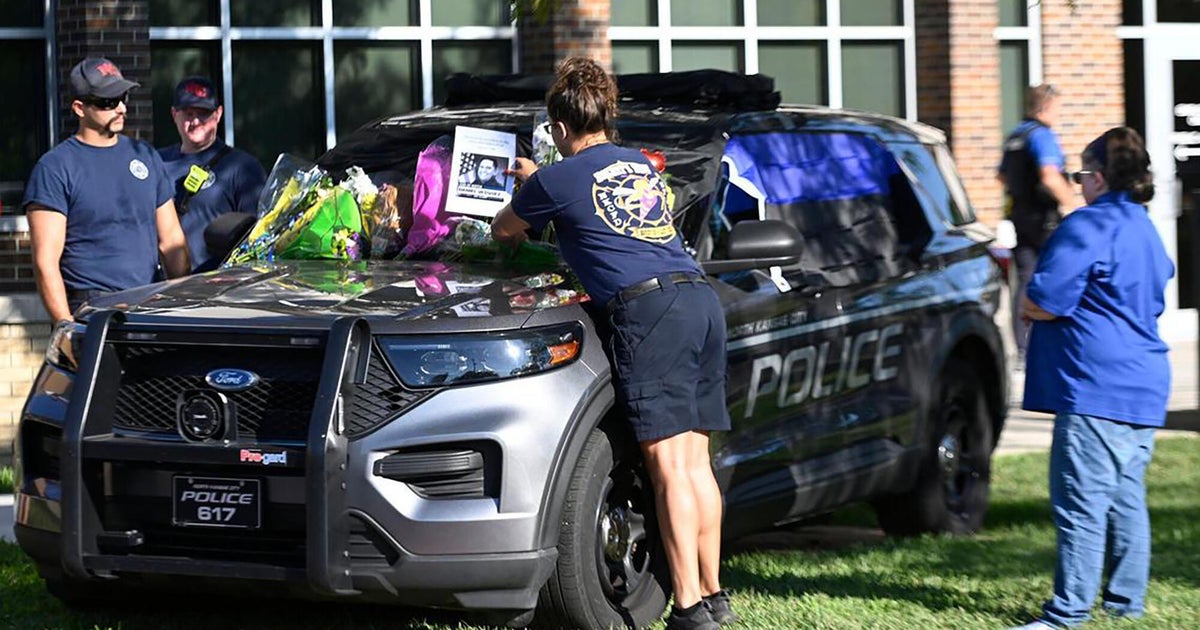
Behind every number in the FBI’s report is a human story—an officer who went to work one day and never came home, or who was injured and will face a long road to recovery. These are people who chose a profession knowing the risks, who trained to handle dangerous situations, and who nonetheless became victims of violence while trying to protect their communities. Each fallen officer leaves behind family members, friends, and colleagues who must cope with sudden, traumatic loss. The ripple effects extend throughout entire police departments and communities, affecting morale, increasing stress and anxiety among remaining officers, and sometimes straining the already complex relationships between law enforcement and the public they serve. The officers who survive assaults face their own challenges—physical rehabilitation, post-traumatic stress, and the difficult decision of whether to continue in a profession that has proven dangerous. Many departments have recognized the need for better support systems, including enhanced mental health services, peer support programs, and improved training to help officers survive dangerous encounters.
Looking Forward: Challenges and Responses
The FBI’s data raises important questions about how society can better protect those sworn to protect us while also addressing the underlying issues that lead to violence against police officers. Law enforcement agencies across the country are responding to these trends in various ways, including enhanced training in de-escalation techniques, improved body armor and safety equipment, better tactical training for responding to armed suspects, and increased support for officer wellness and mental health. At the same time, there’s ongoing debate about broader issues affecting police-community relations, including questions about policing practices, accountability, community trust, and the societal factors that contribute to violence overall. Some experts argue that reducing violence against police officers requires addressing root causes like poverty, substance abuse, mental health crises, and illegal firearms access, while others focus on tactical and training improvements for officers themselves. The 17.2% decrease in officer deaths in 2025 compared to 2024 offers a glimmer of hope that things might be heading in a better direction, but the decade-high assault rate and the troubling four-year trend remind us that there’s still much work to be done. As communities and law enforcement agencies continue wrestling with these challenges, the ultimate goal remains clear: reducing violence in all directions so that both police officers and the citizens they serve can be safer.