


The Search for Nancy Guthrie: What Evidence Has Been Uncovered So Far
A Mother’s Disappearance Sends Shockwaves Through the Community
The quiet Tucson neighborhood where 84-year-old Nancy Guthrie lived has become the center of an intense investigation that has captured national attention, partly because her daughter is Savannah Guthrie, the well-known co-host of NBC’s “Today” show. What began as a missing person report on February 1st has evolved into a complex criminal investigation involving multiple law enforcement agencies, including the FBI and the Pima County Sheriff’s Department. Authorities believe Nancy didn’t simply wander away from home—instead, evidence suggests she was forcibly taken from her residence in the middle of the night, turning this into a potential kidnapping case that has left investigators racing against time to find her.
The heartbreaking reality of this situation has touched people across the country who have watched Savannah Guthrie on their television screens for years. Now, they’re witnessing her family’s nightmare unfold in real-time. Pima County Sheriff Chris Nanos confirmed on Monday that all of Nancy’s family members and their spouses have been thoroughly investigated and cleared as possible suspects, allowing the investigation to focus entirely on finding who actually took her. While authorities have been careful about what information they release to the public—a common practice to protect the integrity of ongoing investigations—they have shared several significant pieces of evidence that paint a disturbing picture of what may have happened that night.
Critical Clues from Security Footage and Distinctive Clothing
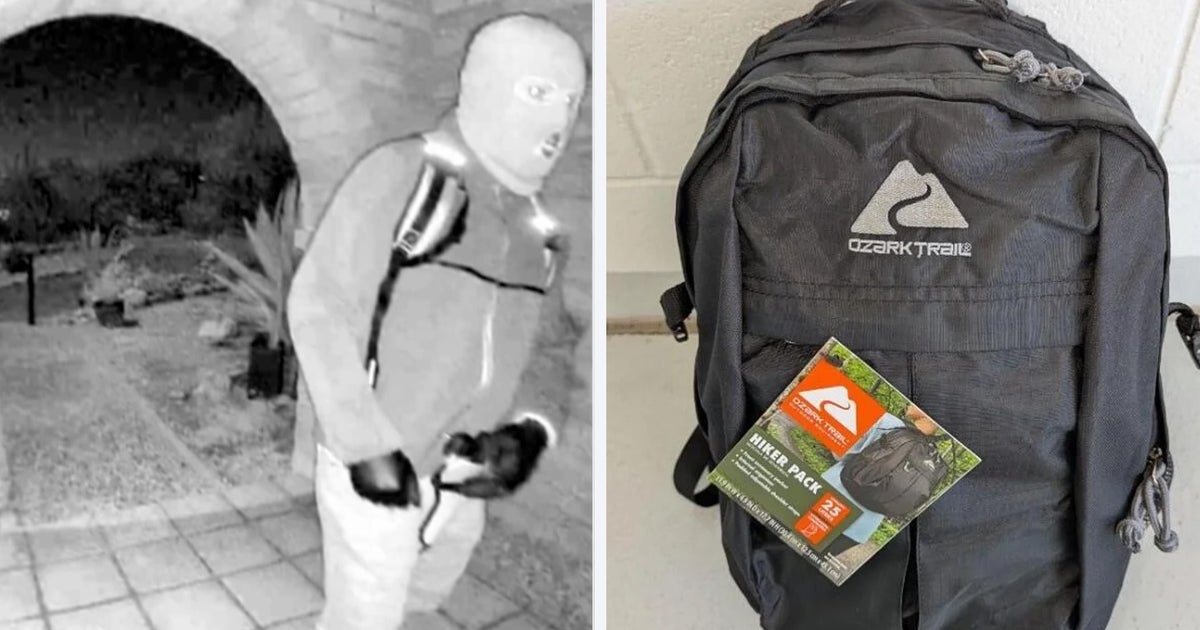
One of the most valuable pieces of evidence comes from Nancy Guthrie’s home security system. The FBI publicly released several video clips on February 10th that were recovered from what they described as “residual data located in backend systems” of her Nest camera. These weren’t videos that were immediately available; investigators had to dig deep into the technological framework to retrieve them, highlighting the sophisticated forensic work being done on this case. The footage shows a suspect described as a male, approximately 5 feet 9 inches to 5 feet 10 inches tall with an average build, wearing distinctive clothing and a face mask that investigators believe may have been purchased from Walmart.
In the chilling video clips, the suspect can be seen approaching Nancy’s front door and raising a gloved hand toward the camera before turning back. In another clip, the masked individual faces the camera with a flashlight held in their mouth before covering the camera lens with vegetation—a deliberate act to blind the security system. Sheriff Nanos told reporters that the doorbell camera was disconnected at approximately 1:47 a.m. on February 1st, and about 25 minutes later, at 2:12 a.m., one of the home’s cameras detected what the system classified as a person, though no video footage was available from that detection. The timing of these events suggests careful planning and awareness of the security system.
The suspect was also carrying what the FBI identified as a black, 25-liter Ozark Trail Hiker Pack backpack—a model sold exclusively at Walmart. Sheriff Nanos called this backpack “one of the most promising leads” in the case. Walmart has been cooperating with the investigation, providing authorities with records of all Ozark Trail Hiker purchases from recent months, and investigators have been painstakingly reviewing surveillance footage from local Walmart locations. The face mask worn by the suspect also appears similar to masks sold at Walmart, though authorities note this type of mask isn’t exclusively available there. The mask appears lighter in the doorbell camera footage due to the Nest camera’s infrared technology, but investigators believe it’s actually black.
DNA Evidence Offers Hope for Identification
Perhaps the most scientifically promising evidence in the case comes from DNA recovered from a glove found approximately 2 miles from Nancy’s home in a field near a roadside. This glove appears to match the ones worn by the suspect in the security camera footage, and forensic analysis has yielded a DNA profile of an unknown male. This is the kind of evidence that can break a case wide open if the individual’s DNA is already in the system from a previous arrest. The FBI announced on Saturday that they were waiting for official confirmation of the DNA results before entering the profile into CODIS, the Combined DNA Index System—a national database maintained by the FBI that could provide a match if this person had previously been arrested for certain crimes and had their DNA collected.
The discovery of this glove wasn’t simple luck. Investigators found a total of 16 gloves in various areas during their extensive search, but most of them turned out to belong to the investigators themselves who had discarded them during the search process. Finding the one glove that actually mattered among 15 others demonstrates the painstaking, detail-oriented nature of this investigation. Additionally, the sheriff’s department revealed that DNA that didn’t belong to Nancy Guthrie or those in close contact with her was also collected from her property itself, and investigators are working to identify who it belongs to. The department hasn’t disclosed exactly where on the property this DNA was found, likely to protect investigative strategies and verify any potential suspects without tipping them off.
Technology Provides Additional Timeline and Search Methods
Modern technology has become both a blessing and a crucial investigative tool in this case. Nancy Guthrie had a pacemaker, and data from her pacemaker app showed it disconnected from her phone at 2:28 a.m. on February 1st—roughly 40 minutes after the doorbell camera was disabled. This timing helps investigators establish a more precise timeline of events during those critical early morning hours. But the pacemaker has provided more than just timeline information; it’s also become a potential beacon in the search for Nancy herself.
Law enforcement sources revealed that investigators have deployed a high-tech tracking device known as a “signal sniffer” in their search efforts. This portable radio detection device, frequently used in missing person cases, can detect specific low-powered electronic signals such as those emitted by pacemakers. Investigators mounted this device on a helicopter and flew slow and low over the area, trying to determine if Nancy’s pacemaker is emitting any detectable signals that could help pinpoint her location. It’s a race against time and technology—pacemaker batteries don’t last forever, and the longer Nancy is missing, the harder it becomes to detect any signal her medical device might be sending out. This represents the intersection of medical technology and law enforcement in ways that would have been unimaginable just a generation ago.
Ransom Demands and False Leads Complicate the Investigation
Adding another layer of complexity to this already difficult case, an apparent ransom note demanding payment in bitcoin was received by CBS Tucson affiliate KOLD-TV on February 2nd, the day after investigators believe Nancy was taken. The note included two specific deadlines—February 5th and February 9th—though authorities haven’t publicly stated whether they believe the note is credible or what, if anything, happened on those dates. The FBI has said they’re taking the note seriously, which suggests they cannot rule out the possibility that this is indeed a ransom situation, though they’re also being cautious about jumping to conclusions.
Unfortunately, the high-profile nature of this case has attracted the worst kind of opportunists. A Southern California man has been charged in federal court with allegedly making a fake ransom demand via text messages on February 4th. Authorities believe he was simply trying to take advantage of the family’s nightmare for monetary gain, adding unnecessary anguish to an already traumatic situation. This kind of cruel behavior isn’t uncommon in high-profile missing person cases, where individuals with no actual knowledge of the victim’s whereabouts attempt to extort money from desperate family members. It also complicates the investigation, as authorities must dedicate resources to tracking down and eliminating false leads while the real trail may be growing colder.
Multiple Searches Yield Questions But Few Answers
Law enforcement activity has intensified at various locations as the investigation has progressed. On February 10th, authorities conducted a search at a home in Rio Rico, Arizona, south of Tucson, where they questioned a person of interest. A man who identified himself as Carlos told reporters he was detained by officers and then released, expressing confusion about why law enforcement thought he had any connection to the case. “I didn’t do anything,” he insisted, “I’m innocent.” The authorities haven’t revealed what led them to this location or what, if anything, they found during the search, leaving the community to wonder whether this was a significant lead or another dead end.
Three days later, on the night of February 13th, another surge of law enforcement activity occurred about 2 miles from Nancy’s home. Sheriff Nanos explained it was based on “a lead that led to a search warrant,” but provided no additional details. Several people were apparently questioned during this operation, but no arrests were made. The proximity to Nancy’s home—just 2 miles away—has left many wondering whether she might have been held nearby all along, or whether this was related to evidence found in the area. The silence from authorities about what led to this search or what may have been discovered is frustrating for a public desperate for answers, but it’s also standard procedure in active investigations where revealing too much could compromise the case or endanger the victim.
As this investigation continues, the Guthrie family remains in an unbearable state of limbo, waiting for news while investigators follow every lead, analyze every piece of evidence, and work around the clock to bring Nancy home safely. The combination of traditional detective work, modern forensic science, and cutting-edge technology represents law enforcement’s best hope of solving this mystery and reuniting a family torn apart by this terrifying event.