


Colombia’s Navy Strikes Major Blow Against Drug Trafficking Operations in Southern Pacific
Massive Drug Lab Bust Disrupts Criminal Networks
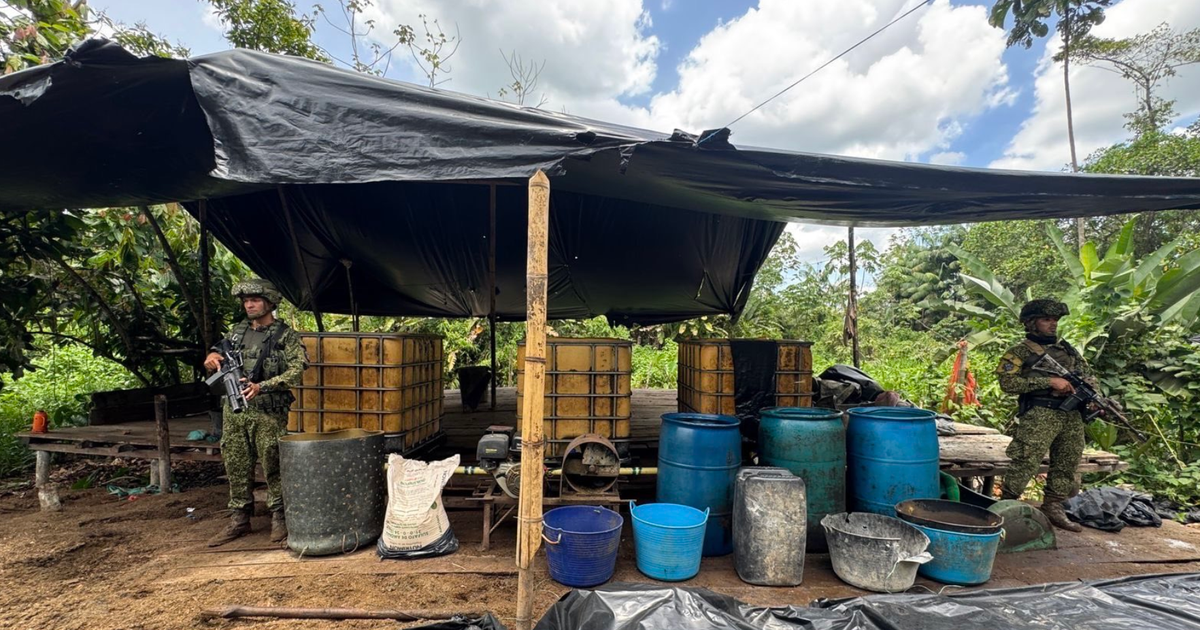
Colombia’s naval forces have dealt a significant blow to drug trafficking operations in the country’s southern Pacific region, announcing on Friday the destruction of 30 illegal drug laboratories and the seizure of over two tons of cocaine. This comprehensive operation represents one of the latest efforts by Colombian authorities to combat the narcotics trade that continues to plague the nation. The navy’s strategic operation also resulted in the confiscation of more than 3,700 gallons of smuggled fuel, which officials say would have been used to support and strengthen the illegal drug economy in the region. Through photographs shared on social media, the navy documented the extensive nature of the bust, showing the dismantled laboratories and numerous small packages of cocaine, each weighing approximately two pounds. According to naval officials, preventing these drugs from reaching international markets represents a major victory in the ongoing war against drug cartels and criminal organizations operating in Colombia.
Arrests Made and Criminal Networks Disrupted
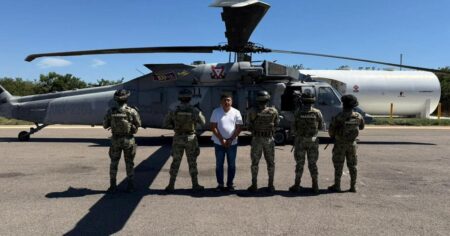
The operation wasn’t just about seizing drugs and destroying infrastructure—it also resulted in multiple arrests that could help authorities better understand the networks behind these operations. When the cocaine was intercepted, three crew members were taken into custody, two of whom were identified as Ecuadorian nationals, while the nationality of the third individual wasn’t disclosed by authorities. Additionally, four more people were captured during the operation that led to the seizure of the smuggled fuel. These arrests are particularly significant because they demonstrate the international nature of drug trafficking operations in the region, with criminal networks operating across borders. The Colombian Navy emphasized its commitment to maintaining maritime control to protect the country’s security and stability, posting updates about the operations on social media platform X. In a separate but related operation, naval forces also announced the seizure of more than 90 pounds of marijuana in Cartagena, a major city on Colombia’s northern coast, further demonstrating the widespread nature of their anti-drug efforts.
Colombia’s Ongoing Battle with Cocaine Production
Colombia holds the unfortunate distinction of being the world’s largest cocaine-producing nation, a reality that has placed the country at the center of international drug trafficking concerns and diplomatic tensions. The surge in cocaine production has strained relations between the United States and Colombia, with Washington accusing the Colombian government of not doing enough to contain the dramatic increase in drug manufacturing. These tensions have escalated to the point where the United States has placed sanctions on Colombian President Gustavo Petro, reflecting the seriousness of the diplomatic rift. The situation is further complicated by a U.S. military campaign targeting alleged drug-trafficking vessels in the Pacific Ocean and Caribbean Sea off the coast of South America, an operation that has resulted in more than 100 deaths since September. This aggressive approach highlights the desperation with which both countries are trying to address the drug trafficking problem, though the methods and their effectiveness remain subjects of international debate and concern.
Recent String of Successful Drug Seizures
The recent laboratory destruction and cocaine seizure aren’t isolated incidents but rather part of a pattern of major drug busts that Colombian authorities have announced over the past several months. This consistent success rate suggests either an improvement in intelligence gathering and operational effectiveness, or possibly an increase in trafficking activity that makes detection more likely. In February, Colombian forces seized more than 240 pounds of cocaine that had been hastily thrown overboard from a “go-fast” vessel—a type of speedboat commonly used by traffickers—as authorities pursued it through territorial waters. Just a month earlier, in January, the Colombian Navy intercepted a speedboat in the South Pacific Ocean and confiscated over two tons of cocaine, a haul similar in size to the most recent seizure. Perhaps most impressively, in November of the previous year, Colombia announced what it called its largest cocaine bust in a decade, with an astounding 14 tons of the illegal substance confiscated at the country’s main Pacific port. These successive operations paint a picture of naval forces that are increasingly effective at disrupting drug trafficking routes and operations.
The Economics of Drug Trafficking and Its Impact
The destruction of 30 drug laboratories and the seizure of thousands of gallons of smuggled fuel represents more than just the removal of illegal substances from circulation—it strikes at the economic heart of criminal organizations operating in the region. Drug laboratories require significant infrastructure, expertise, and ongoing supplies to function, and their destruction forces traffickers to invest time and resources into rebuilding their operations. The smuggled fuel is particularly important because these remote laboratories require power to process coca leaves into cocaine, and legitimate fuel purchases would leave paper trails that could lead authorities to their locations. By seizing this fuel, the navy has “prevented the strengthening of illicit economies in the area,” effectively cutting off a vital resource that these criminal organizations depend upon. The economic impact extends beyond the immediate loss of drugs and equipment—it affects the entire supply chain, from coca farmers to international distributors, and sends a message to criminal organizations that their operations are increasingly vulnerable to detection and disruption.
Looking Forward: Challenges and Implications
While these recent successes demonstrate Colombia’s commitment to combating drug trafficking, they also highlight the enormous challenges that remain. The fact that such large-scale operations continue to exist despite increased enforcement efforts suggests that the drug trade remains highly profitable and resilient. Criminal organizations have shown remarkable adaptability over the years, developing new trafficking routes, methods, and technologies to evade detection. The international nature of the problem, evidenced by the Ecuadorian nationals arrested in this operation, means that no single country can solve the crisis alone. Moving forward, Colombia will need to balance aggressive enforcement operations like these laboratory destructions with efforts to address the underlying socioeconomic factors that drive people into the drug trade in the first place. The diplomatic tensions with the United States add another layer of complexity, as Colombia must navigate between demonstrating adequate progress to satisfy international partners while also maintaining its sovereignty and pursuing policies that align with its own national interests. The human cost of the drug war, including the more than 100 people killed in U.S. military operations since September, raises important questions about the methods being employed and whether they’re sustainable or effective in the long term. As Colombia continues these operations, the international community will be watching closely to see whether this approach leads to lasting reductions in cocaine production and trafficking, or whether the drug trade will simply adapt and continue as it has for decades.