
Cuba’s Power Crisis: A Nation Struggling to Keep the Lights On
The Latest Blackout and Restoration Efforts
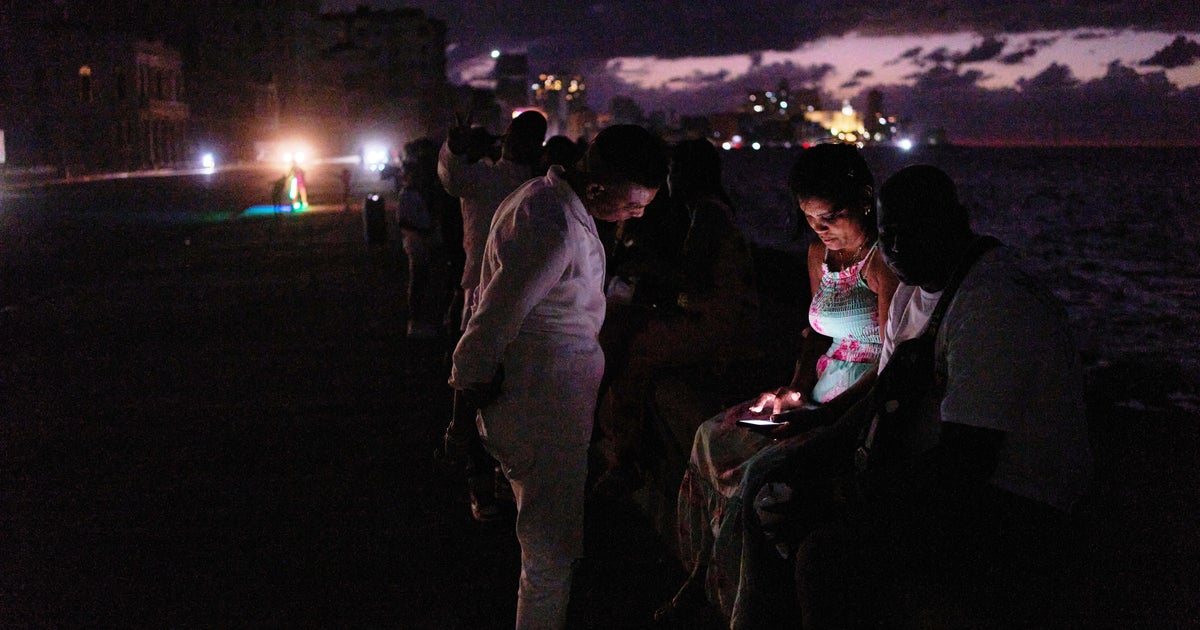
Cuba found itself plunged into darkness once again this past weekend when the nation’s entire electrical grid collapsed on Saturday, leaving millions without power across the island. This marked the third complete blackout in March alone, painting a grim picture of the Caribbean nation’s deteriorating infrastructure and deepening energy crisis. By Sunday morning, restoration efforts were underway, but progress remained painfully slow. According to reports from Cuba’s state-run Electric Union and the Ministry of Energy and Mines, only about 72,000 customers in the capital city of Havana had their electricity restored by early Sunday—a mere drop in the bucket considering the city’s population of approximately 2 million residents. Among those prioritized for power restoration were five hospitals, highlighting the life-threatening nature of these widespread outages. In various neighborhoods across Havana and other provinces including western Matanzas and eastern Holguin, authorities scrambled to establish local power microsystems designed to supply the most critical facilities and centers. Some residents in the capital reported seeing their lights flicker back on during the early morning hours, offering a glimmer of hope amid the widespread frustration and uncertainty.
The Root Causes of an Unprecedented Crisis
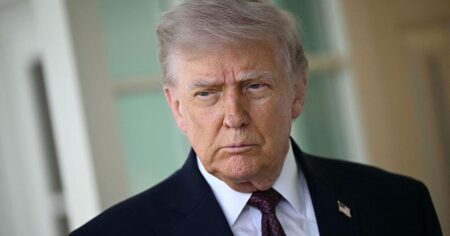
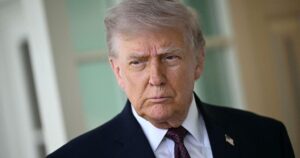
Cuba’s current energy nightmare stems from a perfect storm of factors, both domestic and international. The nation’s electrical grid, which has been in service for decades, has drastically deteriorated in recent years due to lack of maintenance, investment, and resources. The aging infrastructure simply cannot keep pace with the demands of the population, resulting in frequent failures and cascading blackouts. However, Cuban officials have also pointed fingers at external pressures, specifically citing what they describe as a U.S. energy blockade that has strangled the island’s ability to secure fuel supplies. The situation intensified dramatically in January when President Trump warned of imposing tariffs on any country that sells or provides oil to Cuba. This threat effectively scared off potential suppliers and trading partners, leaving Cuba increasingly isolated and desperate for the petroleum products necessary to keep its power plants running. The Trump administration has made its demands clear: Cuba must release political prisoners and embrace meaningful political and economic reforms before any sanctions will be lifted. Adding another layer of complexity to the situation, President Trump has even floated the controversial idea of a “friendly takeover of Cuba,” a statement that has raised eyebrows both domestically and internationally.
Venezuela’s Collapse and Cuba’s Fuel Shortage
Making matters considerably worse for Cuba is the removal from power of Venezuela’s former President Nicolás Maduro, orchestrated with U.S. backing. For years, Venezuela served as Cuba’s most reliable ally and petroleum lifeline, providing the island with subsidized oil shipments that kept the lights on and the economy functioning. With Maduro’s ouster, those critical petroleum shipments came to an abrupt halt, leaving Cuba scrambling to find alternative sources of fuel. Cuban President Miguel Díaz-Canel recently revealed the shocking extent of the crisis: the island has not received oil from any foreign suppliers for three consecutive months. This prolonged drought of petroleum imports has created a dire situation, as Cuba produces barely 40% of the fuel it needs to power its economy and maintain basic services. Without consistent access to diesel, fuel oil, gasoline, aviation fuel, and liquefied petroleum gas, the nation finds itself unable to generate sufficient electricity, keep vehicles running, or maintain normal economic activity. The ripple effects of this fuel shortage extend far beyond inconvenient blackouts—they threaten the very functioning of Cuban society and have created conditions that some observers believe could lead to governmental instability.
The Human Toll of Constant Blackouts
For ordinary Cubans, these repeated blackouts represent far more than mere inconvenience—they have fundamentally disrupted daily life and pushed many families to their breaking point. The constant power failures have forced businesses to reduce operating hours, left families unable to cook meals or preserve food, and damaged countless household appliances that cannot withstand the fluctuating voltage and sudden power surges. Thirty-three-year-old Suleydi Crespo, a mother of two small children, shared her frustration with reporters, explaining how the blackouts and accompanying voltage problems destroyed her refrigerator. “With the blackout and low voltage, my refrigerator broke—that was today. The day before yesterday, the voltage also dropped around 10 at night,” she explained. Beyond the financial burden of replacing damaged appliances, families face even more basic concerns. “If there’s no electricity tomorrow, we won’t be able to get water,” Crespo noted, highlighting how the blackouts affect access to essential services like running water, which depends on electric pumps. The psychological toll of the crisis is evident in the words of residents like Dagnay Alarcón, a 35-year-old vendor who expressed a weary acceptance of the situation: “We have to get used to continuing our usual routine. What else can we do? We have to try to survive. Get used to events, with or without electricity.” The frustration has boiled over into public protests in recent days, with demonstrations reported across the island as citizens express their anger over the prolonged blackouts and generally deteriorating living conditions.
Technical Failures and Government Response
The immediate cause of Saturday’s nationwide blackout was identified by the Cuban Electric Union as an unexpected shutdown of a generation unit at the Nuevitas thermoelectric plant located in Camaguey province. However, officials provided few details about what specifically triggered the failure, leaving questions unanswered about whether it resulted from mechanical problems, fuel shortages, or a combination of factors. What is clear is that the aging infrastructure is operating on a knife’s edge, with no margin for error and little redundancy to prevent localized problems from cascading into nationwide catastrophes. The Monday blackout earlier in the month took several days to fully resolve, and Saturday’s outage—the second in a week and third in March—suggests the situation is deteriorating rather than improving. Government officials, including President Díaz-Canel himself, have acknowledged the gravity of the energy crisis facing the nation. Vice Minister of Energy and Mines Argelio Abad Vigo provided stark details this week, confirming that Cuba has gone three full months without receiving supplies of diesel, fuel oil, gasoline, aviation fuel, or liquefied petroleum gas—all absolutely vital for power generation and basic economic functioning. The fuel shortage has forced authorities to implement strict rationing measures for vehicle fuel, led airlines to suspend flights or drastically reduce frequencies to the island, and pushed many workplaces to cut operating hours to conserve what little power is available.
Uncertainty About Cuba’s Future
The convergence of these crises—infrastructure failure, fuel shortages, international sanctions, and growing public unrest—has led to intense speculation about Cuba’s political future. President Trump has repeatedly suggested that the Cuban government is teetering on the brink of collapse, and after one of the previous grid failures, he told reporters that he believed he would soon have “the honor of taking Cuba.” Whether such predictions prove accurate remains to be seen, but what is undeniable is that the Cuban people are enduring extraordinary hardship. Yet amid all the political posturing and economic pressure, ordinary Cubans like María Regla Cardoso, a housewife in Havana, are simply trying to survive day by day. When asked about the political dimensions of the crisis, she expressed a sentiment likely shared by many of her fellow citizens: she isn’t interested in politics and believes Cubans simply have to keep living regardless of the circumstances. “I leave everything in God’s hands. Whatever form the situation takes, we just have to face it,” she said, embodying a resilient spirit that has sustained Cubans through decades of challenges. As the nation continues its struggle to restore and maintain basic electrical service, the world watches to see whether Cuba can navigate this unprecedented energy crisis or whether the lights will continue to go out on one of the last remaining communist states in the Western Hemisphere.