


Cuba Plunges into Darkness: The Island’s Growing Energy Crisis
Another Weekend, Another Total Blackout
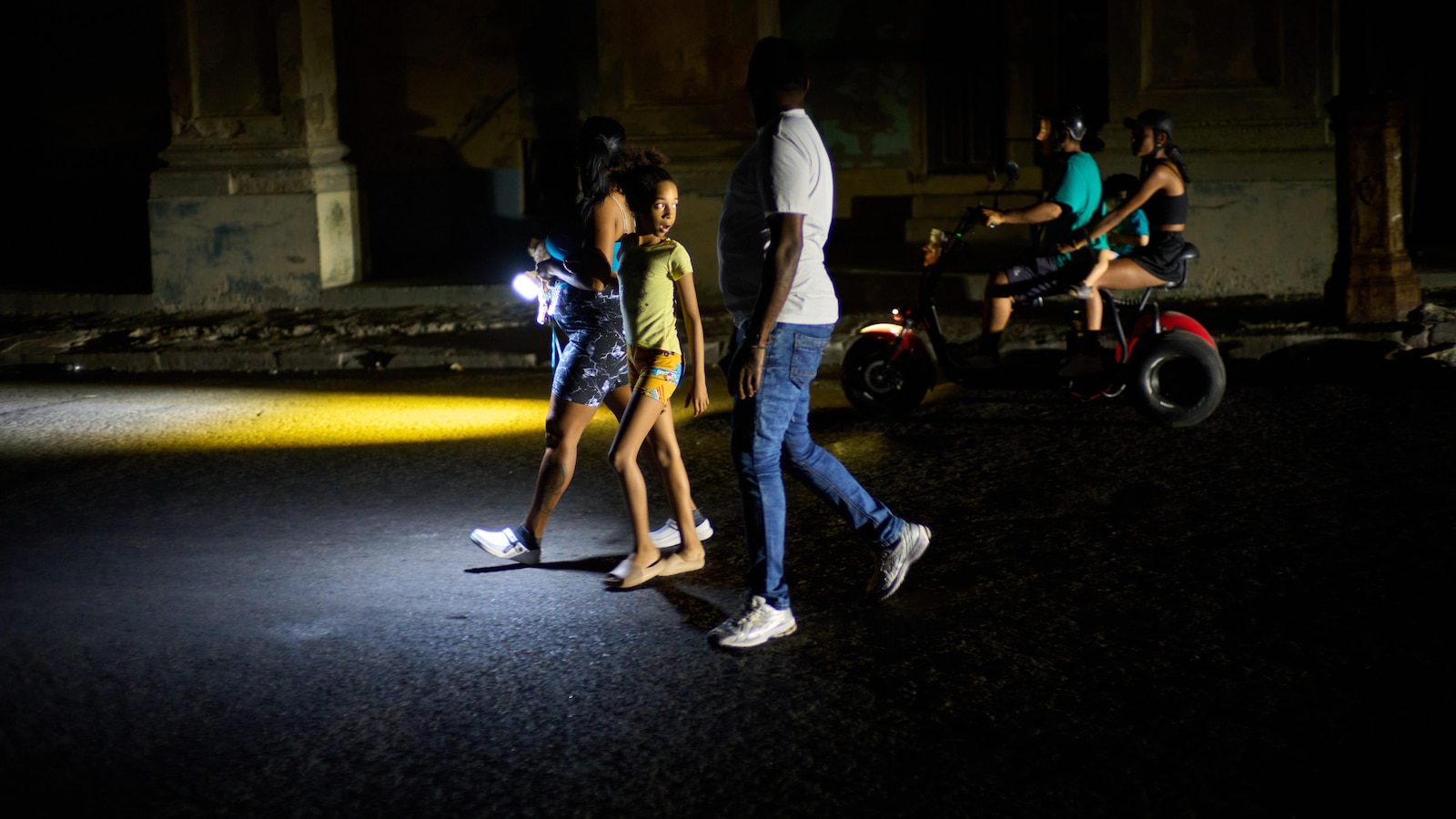
For the third time this March, Cuba found itself completely in the dark. Saturday’s collapse of the nation’s power grid left every corner of the island without electricity, marking yet another chapter in what has become an increasingly desperate energy crisis. The state-owned Cuban Electric Union confirmed the total blackout but offered no immediate explanation for what caused the latest failure. Just days earlier, on Monday, Cubans had endured a similar nationwide outage, and now they face another weekend plunged into darkness. For a population already stretched thin by economic hardship, these recurring blackouts represent more than just an inconvenience—they’re a fundamental disruption to daily survival. Authorities quickly announced they were working to restore power, but for many Cubans, these assurances have begun to ring hollow as the frequency of outages continues to accelerate.
A Crumbling System Running on Empty
The root of Cuba’s electricity nightmare lies in a perfect storm of aging infrastructure and severe fuel shortages. Over the past two years, power outages have transformed from occasional disruptions into a grim reality of Cuban life, with regional and nationwide blackouts becoming disturbingly routine. The island’s electrical grid, built decades ago and poorly maintained due to economic constraints, is literally falling apart at the seams. Equipment breakdowns are now commonplace, with facilities that should have been replaced or modernized years ago continuing to limp along until they inevitably fail. But the infrastructure problems are only half the story. Even when the grid’s components are functioning, Cuba faces crippling daily blackouts lasting up to twelve hours simply because there isn’t enough fuel to power the generators. These scheduled outages, implemented to ration the scarce energy resources, create additional instability in the system, making it even more vulnerable to the kind of cascading failures that result in complete nationwide blackouts like the one experienced on Saturday.
The Human Cost of Living Without Power
For ordinary Cubans, these blackouts aren’t just technical failures—they’re personal catastrophes that ripple through every aspect of daily life. When the power goes out, the impact is immediate and severe. Businesses reduce their operating hours or close entirely, leaving workers without income and customers without services. In homes across the island, families struggle to prepare meals without electricity for cooking, forcing many to rely on makeshift solutions or go hungry. Perhaps most devastatingly, when refrigerators stop working during extended outages, precious food supplies spoil in the tropical heat, representing a significant financial loss for families already living on the edge of survival. The consequences extend far beyond these immediate inconveniences. Students can’t study after dark, hospitals struggle to maintain operations, and the elderly and vulnerable suffer in homes without air conditioning or fans in Cuba’s sweltering climate. The psychological toll of living in constant uncertainty—never knowing when the lights might go out or when they might come back on—has created a pervasive sense of anxiety throughout the population.
The Oil Crisis: Empty Promises and Empty Tanks
President Miguel Díaz-Canel recently revealed a shocking statistic that helps explain the severity of the crisis: Cuba hasn’t received oil from foreign suppliers in three months. This revelation underscores the desperate situation facing the island nation, which produces only about 40% of the fuel necessary to power its economy. For decades, Cuba relied on oil shipments from allied nations, particularly Venezuela, to keep its lights on and its economy moving. However, as Venezuela has faced its own economic collapse and oil production has plummeted, that lifeline has become increasingly unreliable. Other potential suppliers have been scared away by the threat of U.S. sanctions, leaving Cuba scrambling for fuel from an ever-shrinking pool of sources. Without sufficient oil to generate electricity, even a perfectly functioning power grid would struggle to meet the nation’s energy needs. Combined with the deteriorating infrastructure, the fuel shortage creates a situation where keeping the lights on becomes nearly impossible, and total system failures like Saturday’s blackout become inevitable.
Caught Between Sanctions and Sovereignty
The Cuban government has been quick to lay much of the blame for the energy crisis on what it calls a U.S. energy blockade. In January, U.S. President Donald Trump issued stern warnings to any country considering selling or providing oil to Cuba, threatening tariffs and other punitive measures against nations that continue to trade with the island. This aggressive stance has had a chilling effect on Cuba’s ability to secure fuel supplies on the international market, as even countries traditionally friendly to Cuba think twice before risking economic retaliation from the United States. The Trump administration has made clear that any relief from sanctions comes with strings attached: Cuba must release political prisoners and implement significant political and economic reforms, moving away from its communist system toward a more open, market-oriented society. Trump has even floated the controversial idea of what he termed a “friendly takeover of Cuba,” language that has alarmed many observers and stiffened Cuban resistance to U.S. demands. For the Cuban government, accepting these conditions would mean fundamentally compromising its sovereignty and political system, yet refusing them means continued isolation and deepening economic hardship for its people.
No Light at the End of the Tunnel
As Cuba faces its third nationwide blackout of the month, the outlook for improvement remains bleak. The island finds itself trapped in a vicious cycle with no easy escape. Fixing the crumbling power grid would require massive investment in new equipment and infrastructure—resources that Cuba simply doesn’t have, especially under current economic conditions and international sanctions. Securing adequate fuel supplies seems equally impossible without either a dramatic change in U.S. policy or Cuba’s willingness to make concessions that its leadership has so far rejected. Meanwhile, every blackout further damages the already fragile economy, making it even harder to generate the resources needed for repairs or fuel purchases. For the Cuban people, each power failure erodes a little more of their patience and hope, as they struggle to maintain some semblance of normal life amid increasingly abnormal circumstances. The situation has created a humanitarian crisis that extends beyond politics and ideology, affecting millions of people who simply want reliable electricity to cook their food, preserve their medicines, and live their lives. As March draws to a close with three major blackouts already recorded, Cubans face the approaching summer months—when electricity demand peaks—with understandable dread, wondering how many more times they’ll be left completely in the dark before something finally changes.