


Deadly Confrontation Off Cuban Coast: A Tragic Incident in Troubled Waters
The Fatal Encounter
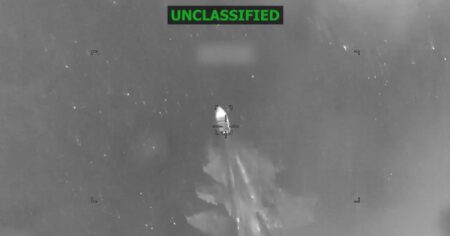
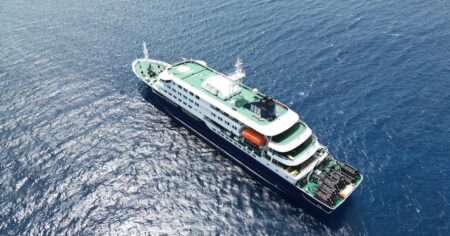
A routine patrol turned deadly off the coast of Cuba on Wednesday when a speedboat registered in Florida became the center of a violent confrontation that left four people dead and six others injured. According to Cuba’s interior ministry in Havana, the incident occurred approximately one nautical mile northeast of the El Pino canal in Cayo Falcones, an area within Cuban territorial waters. The Cuban Border Guard Troops had approached the vessel for what should have been a standard identification check, but the situation quickly escalated when those aboard the speedboat allegedly opened fire on the Cuban authorities. The exchange of gunfire resulted in injuries to the commander of the Cuban patrol boat and devastating casualties among those on the American-registered speedboat. The injured survivors were evacuated from the scene and provided with medical assistance, though the incident has raised far more questions than it has answered about what transpired in those critical moments on the water.
The Mystery Surrounding the Speedboat
One of the most perplexing aspects of this tragedy is the complete lack of clarity regarding the identity and intentions of those aboard the Florida-registered speedboat. Cuban authorities have not released information about who these individuals were, where they originally came from, or what possible reason they might have had for entering Cuban territorial waters. Even more puzzling is the question of why they would have opened fire on Cuban coast guard personnel who were attempting to identify their vessel—a standard procedure in maritime law enforcement worldwide. The Cuban interior ministry has stated that an investigation is currently ongoing, but as of now, the circumstances remain shrouded in mystery. Were these individuals involved in smuggling? Were they attempting some kind of rescue mission? Did they mistakenly believe they were under attack? Or was there some other motivation entirely? The absence of answers has created a vacuum filled with speculation and concern, particularly among Cuban-American communities in Florida who have historical connections to the island nation and often maintain complex relationships with events occurring in Cuban waters.
Political Reactions and Concerns
The incident has quickly attracted attention from high-profile political figures, particularly those representing Florida constituencies with significant Cuban-American populations. Representative María Elvira Salazar has indicated that she is “closely monitoring reports” of what she characterized as an “unfolding situation,” suggesting that more information may still be coming to light. Meanwhile, Representative Carlos Gimenez, who was himself born in Cuba before immigrating to the United States, has taken a much stronger stance, characterizing the incident as a “massacre” and expressing serious concerns about the use of lethal force against individuals traveling on a vessel registered to the United States. Gimenez’s use of such charged language reflects the deep emotions that any incident involving Cuba can evoke, particularly among those who fled the island or whose families have personal histories intertwined with the complicated relationship between the two nations. These congressional representatives are likely feeling pressure from their constituents to get answers and to ensure that American citizens, if indeed Americans were aboard the vessel, receive justice and that their families receive clarity about what happened to their loved ones.
Cuba’s Position and Territorial Rights
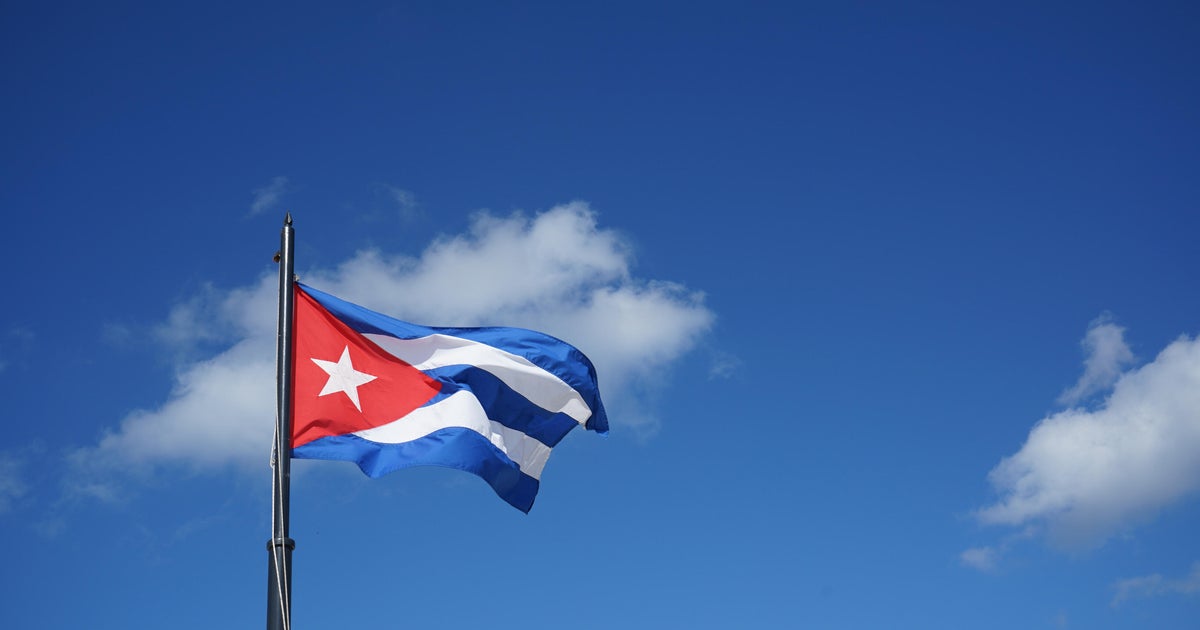
In response to the incident and the questions it has raised, the Cuban government has been clear and firm in its position, stating that it remains committed to “protecting its territorial waters.” This statement reflects a fundamental principle of international law: every nation has the sovereign right to control and defend its territorial waters, which typically extend twelve nautical miles from its coastline. From the Cuban government’s perspective, their coast guard personnel were simply doing their duty by approaching an unidentified vessel in their territorial waters and requesting identification. When that vessel’s occupants allegedly responded with gunfire, Cuban authorities would argue they had every right to defend themselves and to use whatever force was necessary to neutralize the threat. However, the use of lethal force resulting in four deaths will undoubtedly be scrutinized, both by international observers and by the United States government, particularly if it turns out that American citizens were among the casualties. The incident highlights the dangers inherent in maritime border enforcement and the tragic consequences that can result when encounters between authorities and civilians turn violent, whether justified or not.
Escalating U.S.-Cuba Tensions
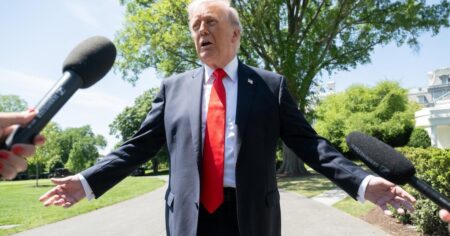
This deadly confrontation comes at a particularly sensitive time in U.S.-Cuba relations, which have been deteriorating recently following decades of complex diplomatic history. President Trump has recently imposed new sanctions and tariffs on the Caribbean nation, actions that came in the aftermath of an operation aimed at capturing former Venezuelan President Nicolás Maduro. The connection between Cuba and Venezuela has long been a source of tension in American foreign policy, with U.S. officials often accusing Cuba of supporting the Maduro regime in Venezuela. These new punitive measures against Cuba represent a continuation of a hardline approach that stands in contrast to the brief warming of relations that occurred during the Obama administration. The timing of this maritime incident, occurring against this backdrop of renewed hostility and distrust between Washington and Havana, virtually guarantees that it will be interpreted through a political lens rather than simply as a tragic law enforcement encounter. Every detail will be examined for evidence supporting one narrative or another, and the incident may well be used by both sides to justify their existing positions and policies toward one another.
The Broader Implications and Unanswered Questions
As investigators work to piece together exactly what happened in those violent moments off the Cuban coast, the incident serves as a stark reminder of the human cost of geopolitical tensions and the dangers of the waters between Florida and Cuba. These waters have long been traveled by people for many different reasons—some seeking freedom, others engaged in commerce legal or illegal, and still others simply navigating between two places separated by just ninety miles of ocean but divided by more than six decades of political hostility. Until more information emerges about who was aboard that speedboat and what they were doing in Cuban waters, it will be impossible to fully understand this tragedy or to determine whether it could have been prevented. The families of those killed and injured deserve answers, as do the taxpayers of both nations who fund their respective coast guards and expect them to act professionally and appropriately. Whether those answers will satisfy everyone involved seems unlikely given the deep political divisions and historical grievances that color every interaction between the United States and Cuba. What is certain is that four people are dead, six more are injured, and the already strained relationship between these two neighbors has been tested once again by violence and tragedy on the waters that both separate and connect them.