


Cyclone Gezani Devastates Madagascar: A Nation Struggles to Recover
Unprecedented Destruction Strikes the Island Nation
The island nation of Madagascar is reeling from one of its most devastating natural disasters in recent memory. Cyclone Gezani, a powerful tropical storm, unleashed catastrophic destruction across the country in just 24 hours, leaving a trail of heartbreak and devastation in its wake. According to Madagascan authorities, the cyclone claimed at least 36 lives, injured more than 370 people, and destroyed nearly 18,000 homes. The storm made landfall late Tuesday night, bringing with it winds exceeding 195 kilometers per hour (121 miles per hour), powerful enough to tear buildings apart and uproot trees like matchsticks. The scale of destruction has prompted President Michael Randrianirina to declare a national disaster and urgently appeal to the international community for assistance. For this largely poor Indian Ocean island nation of 31 million people, the cyclone represents not just a natural disaster but a humanitarian crisis that will require significant resources and time to overcome.
Toamasina Bears the Brunt of Nature’s Fury
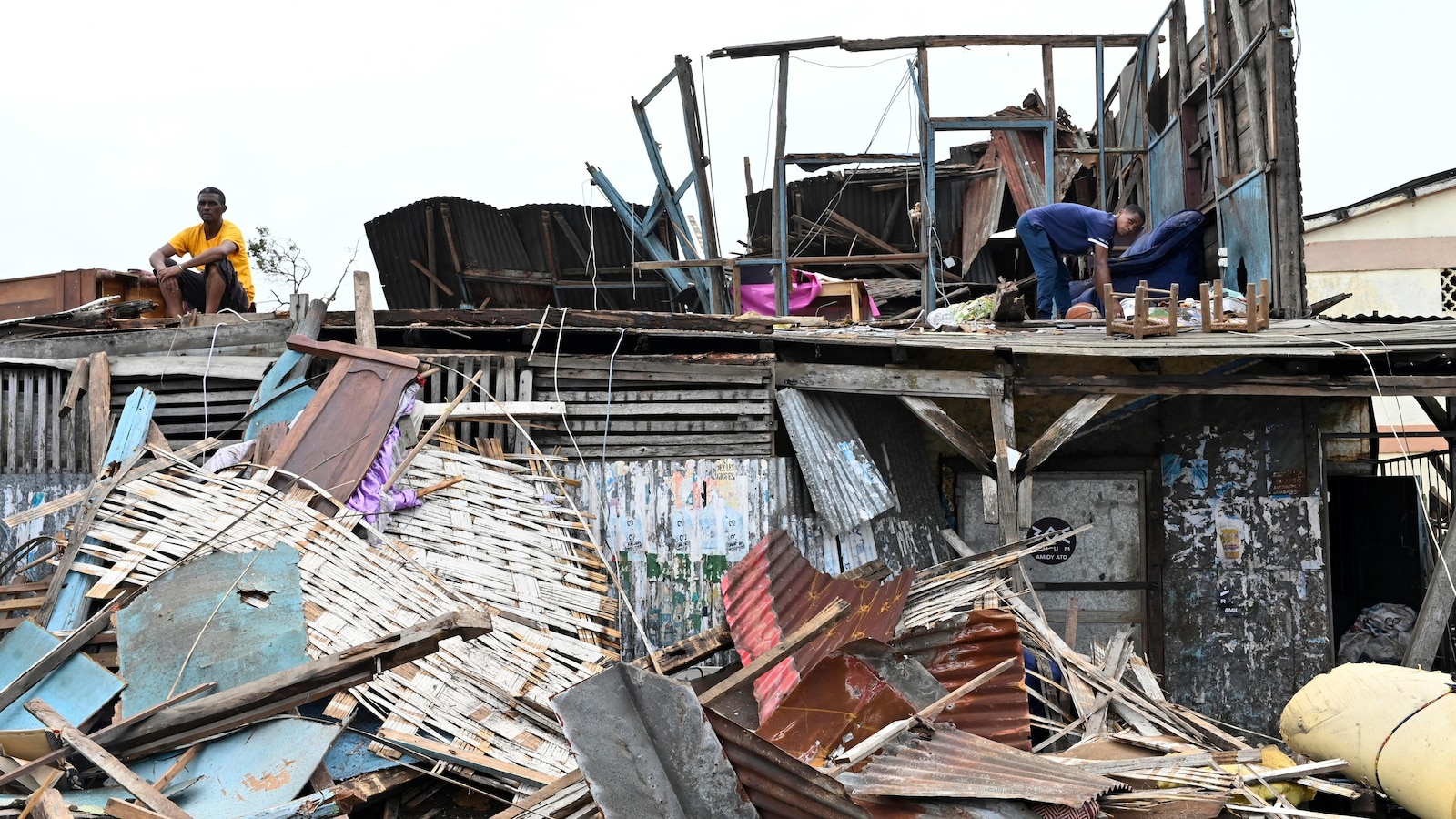
The port city of Toamasina, Madagascar’s economic heartbeat and main shipping hub, suffered the most severe damage from Cyclone Gezani. Home to more than 300,000 residents, this vital coastal city on Madagascar’s east coast became ground zero for the storm’s fury. Of the 36 confirmed deaths, 32 occurred in the Toamasina area alone, with six people still reported missing. President Randrianirina painted a grim picture of the devastation during his visit to the ravaged city, stating that approximately 75% of Toamasina was either damaged or completely destroyed. Drone footage released by the National Office for Risk and Disaster Management revealed the shocking extent of the destruction: almost every building in sight had sustained major damage, with roofs torn off, walls collapsed, and entire structures reduced to rubble. Trees that once lined the streets were either stripped completely bare or uprooted and scattered across roadways like fallen giants. The scenes of destruction were reminiscent of war zones rather than a once-thriving commercial center.
A Vulnerable Population Faces Impossible Odds
The staggering death toll and widespread destruction underscore a harsh reality for Madagascar’s population: inadequate housing infrastructure leaves millions vulnerable to nature’s most violent storms. Many of Madagascar’s 31 million residents live in homes constructed from materials that simply cannot withstand the force of powerful cyclones. Authorities confirmed that the majority of deaths resulted from building collapses, as homes built with corrugated metal, wood, and other lightweight materials crumbled under the cyclone’s relentless winds and torrential rains. The disaster agency reported that 17,980 houses were completely destroyed, while more than 37,000 additional structures sustained significant damage. In total, over 250,000 people have been directly affected by the storm, meaning they’ve lost their homes, livelihoods, or both. As residents waded through knee-deep floodwaters in the storm’s aftermath, the immediate challenges became painfully clear: finding shelter, securing clean water, accessing medical care for the injured, and simply surviving the next few days without basic necessities.
An Urgent Call for International Support
Standing amid the ruins of Toamasina, President Randrianirina made an impassioned plea not only to his fellow Madagascans but to the international community. His assessment of the city’s immediate needs was straightforward and urgent: “We can clearly see what Toamasina needs right now: above all, food, basic necessities, and building materials to quickly rebuild everything that has been destroyed in Toamasina and its surroundings.” The president called upon all of Madagascar’s people to contribute to the recovery effort, recognizing that the scale of destruction requires a unified national response. However, the reality is that Madagascar, as one of the world’s poorest nations, lacks the resources to mount an adequate recovery effort on its own. The declaration of a national disaster serves not just as an acknowledgment of the crisis but as a formal request for international aid and assistance. Humanitarian organizations, neighboring countries, and the broader international community are being asked to provide emergency relief supplies, medical assistance, temporary shelter materials, and financial support to help Madagascar begin the long journey toward recovery and rebuilding.
A Pattern of Recurring Disasters
Cyclone Gezani’s devastating impact is not an isolated incident but rather the latest chapter in an ongoing struggle for Madagascar against nature’s fury. The island nation’s geographic location off Africa’s east coast makes it especially vulnerable to destructive storms that form over the warm waters of the Indian Ocean. Since 2020 alone, Madagascar has been battered by more than a dozen cyclones or strong tropical storms, each bringing death, destruction, and setbacks to development efforts. Just last month, another cyclone struck the northwestern part of the island, claiming at least 14 lives and causing significant damage. This relentless pattern of storms creates a devastating cycle for Madagascar’s population: communities barely have time to recover and rebuild from one disaster before another strikes. The repeated destruction strains already limited resources, overwhelms emergency response capabilities, and keeps vulnerable populations in a constant state of crisis. Climate scientists have noted that warming ocean temperatures may be intensifying tropical storms in the region, suggesting that Madagascar may face even more severe challenges in the coming years.
The Long Road to Recovery and Resilience
As Madagascar begins the difficult process of recovering from Cyclone Gezani, the challenges ahead are immense and multifaceted. The immediate priorities are clear: providing emergency shelter for the hundreds of thousands left homeless, delivering food and clean water to affected areas, treating the injured and preventing disease outbreaks in flood-affected regions, and restoring basic services and infrastructure. However, beyond these urgent needs lies the more complex challenge of building long-term resilience against future storms. The recurring nature of cyclones hitting Madagascar demands that recovery efforts incorporate stronger building standards, improved early warning systems, and better disaster preparedness planning. International aid will be crucial not just for immediate relief but for helping Madagascar construct more resilient infrastructure that can better withstand future storms. The reconstruction of Toamasina, in particular, presents an opportunity to rebuild stronger and smarter, though this will require significant financial investment and technical expertise. For the residents currently wading through floodwaters and sorting through the rubble of their former homes, the road ahead seems impossibly long. Yet the human spirit’s resilience, combined with national solidarity and international support, offers hope that Madagascar will not only recover from Cyclone Gezani but emerge better prepared to face the inevitable storms that lie ahead in a changing climate.