


Immigration Standoff: Democrats and Republicans Battle Over Homeland Security Funding
A Government Shutdown Unfolds
The Department of Homeland Security found itself in an unprecedented situation this week as federal funding officially lapsed on Saturday, creating a governmental impasse that’s affecting thousands of employees and critical national security operations. What started as a routine budget negotiation has evolved into a full-blown political standoff between Democrats and the White House, with both sides digging in their heels over fundamental questions about how America’s immigration enforcement agencies should operate. The shutdown affects not just immigration services, but also the Transportation Security Administration, the Coast Guard, and the Federal Emergency Management Agency – all vital components of America’s domestic security apparatus. While essential personnel continue reporting to work, they’re doing so without paychecks, creating financial hardship for federal workers who find themselves caught in the middle of this political chess match. Democrats have made it clear they won’t support any funding package without significant reforms to Immigration and Customs Enforcement (ICE) and Customs and Border Protection (CBP), setting up a confrontation that could last weeks or even months.
The Catalyst: Minneapolis Shootings Spark Calls for Reform
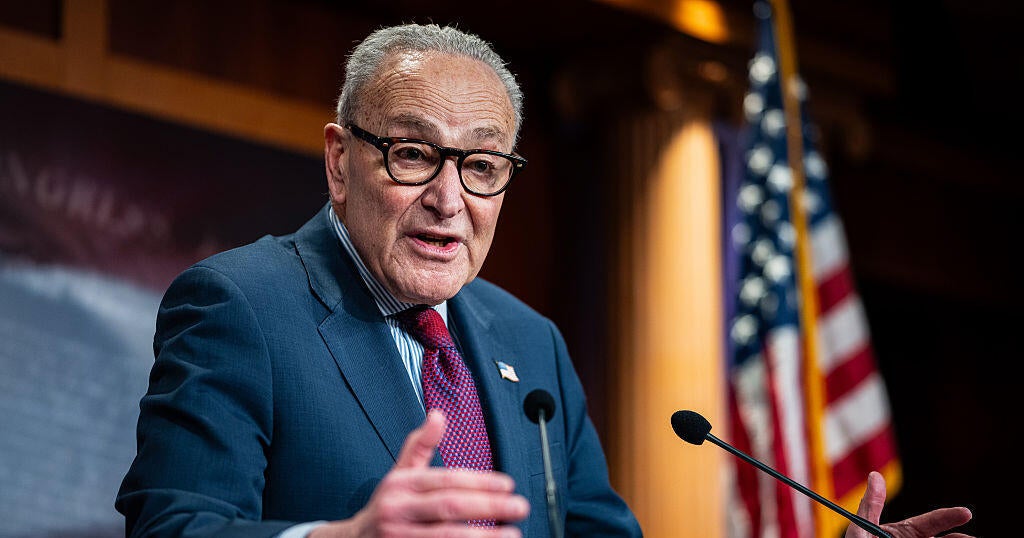
The current crisis didn’t emerge from nowhere – it was sparked by two tragic shootings involving federal immigration agents in Minneapolis last month that shocked the nation and galvanized Democratic opposition to business-as-usual immigration enforcement. These deadly incidents became a rallying point for lawmakers who have long harbored concerns about the tactics and accountability of federal immigration agents operating across the country. For Democrats, these shootings represented a breaking point, transforming what might have been routine budget negotiations into a moral imperative to fundamentally reshape how immigration enforcement operates on American soil. The incidents raised troubling questions about use-of-force protocols, agent accountability, and whether ICE and CBP have adequate oversight mechanisms to prevent future tragedies. Senate Minority Leader Chuck Schumer and his caucus saw an opportunity not just to respond to these specific incidents, but to address what they view as systemic problems in immigration enforcement that have gone unchecked for too long. The Minneapolis shootings gave Democrats the political leverage and moral authority to demand sweeping changes, and they’ve made clear they’re willing to let DHS funding lapse indefinitely until those changes are implemented.
Democrats’ Three Core Demands
In laying out their position, Democrats have coalesced around three fundamental reforms they’re calling “common-sense proposals” that should be uncontroversial but have proven to be anything but. First, they’re demanding an end to roving patrols and seeking to bar ICE agents from entering certain locations – a move designed to prevent the kind of aggressive enforcement actions that have separated families and created fear in immigrant communities. Second, Democrats want a comprehensive use-of-force code specifically tailored to immigration enforcement agents, establishing clear guidelines about when and how force can be applied during arrests and detentions. Third, they’re insisting that agents be prohibited from wearing masks during operations and be required to wear body cameras instead – a transparency measure they argue is standard practice in local police departments nationwide. Senator Schumer has been vocal in his frustration that these proposals, which mirror accountability measures already in place for traditional law enforcement, are meeting such strong resistance from Republicans. “It’s something that every police department does across the country, but ICE is rogue, out of control,” Schumer said in a CNN interview, framing the issue as one of basic accountability rather than partisan politics. Democrats sent their latest counteroffer to the White House and Republican negotiators late Monday, though specific details of what concessions or modifications they might have included weren’t immediately made public.
Republican Resistance and Safety Concerns
Republicans and the Trump administration have pushed back hard against Democratic demands, particularly on the issue of masks, which has become a surprising flashpoint in the negotiations. White House border czar Tom Homan articulated the administration’s position on “Face the Nation,” acknowledging that while he personally doesn’t like agents wearing masks, he believes they need this protection given what he describes as a significant increase in assaults and threats against immigration enforcement personnel. This safety argument has resonated with Republicans who view the mask prohibition as potentially putting agents’ lives at risk, especially in an era of social media where an agent’s identity can be quickly spread online, potentially making them and their families targets for retaliation. President Trump himself weighed in aboard Air Force One Monday, telling reporters he would meet with Democrats this week but expressing displeasure with their demands. “We’re going to protect law enforcement. We’re going to protect ICE,” Trump declared, making clear that he views the Democratic proposals as undermining rather than reforming immigration enforcement. While there appears to be some common ground on certain measures – Republicans have indicated openness to body cameras, for instance – the philosophical divide runs deep, with Republicans characterizing Democratic demands as handicapping agents trying to do a difficult and dangerous job.
The Human Cost of Political Gridlock
While politicians negotiate and posture, thousands of federal employees are bearing the real-world consequences of this funding impasse. Although ICE and CBP will continue operating thanks to funding from the One Big Beautiful Bill Act passed last year, other critical DHS components aren’t so fortunate. TSA agents continue screening passengers at airports, Coast Guard personnel still patrol America’s waters, and FEMA employees remain ready to respond to disasters – but all are doing so without receiving paychecks. These aren’t abstract bureaucrats; they’re working Americans with mortgages to pay, children to feed, and bills that don’t stop coming just because Congress can’t reach an agreement. The psychological toll of working without pay, uncertain when the next paycheck will arrive, creates stress that ripples through families and communities. Many federal workers live paycheck to paycheck, and a prolonged shutdown could force impossible choices between paying rent and buying groceries. The irony isn’t lost on these employees that they’re required to show up and perform their duties protecting the nation while the very government they serve can’t fulfill its basic obligation to pay them for their work.
An Uncertain Path Forward
As this standoff continues, the timeline for resolution remains frustratingly unclear. Lawmakers are currently away from Washington on recess, though Congressional leaders have indicated they would call members back if a breakthrough were achieved. However, comments from negotiators on both sides suggest that no such breakthrough is imminent, with fundamental disagreements still separating the parties. Unless a deal materializes unexpectedly, lawmakers aren’t scheduled to return to the capital until February 23rd, just one day before President Trump is set to deliver his State of the Union address. When asked whether he would still give that speech if the DHS funding crisis remains unresolved, Trump showed no hesitation: “I think I would. It wouldn’t bother me,” he said, projecting an image of unconcern that may or may not reflect the administration’s internal calculations. The reality is that both sides believe they have the stronger political hand – Democrats think the Minneapolis shootings and broader concerns about immigration enforcement tactics give them public support, while Republicans believe Americans prioritize border security and will blame Democrats for handicapping agents. How long this calculation holds, and which side blinks first, will determine not just when DHS gets funded, but potentially the future direction of immigration enforcement in America. What’s certain is that until politicians find common ground, federal workers will continue working without pay, and critical questions about accountability and safety in immigration enforcement will remain unresolved.