


Megan Oldham Claims Olympic Gold as Eileen Gu Settles for Silver in Thrilling Big Air Final
Canadian Triumphs in Milan Cortina While Defending Champion Falls Just Short
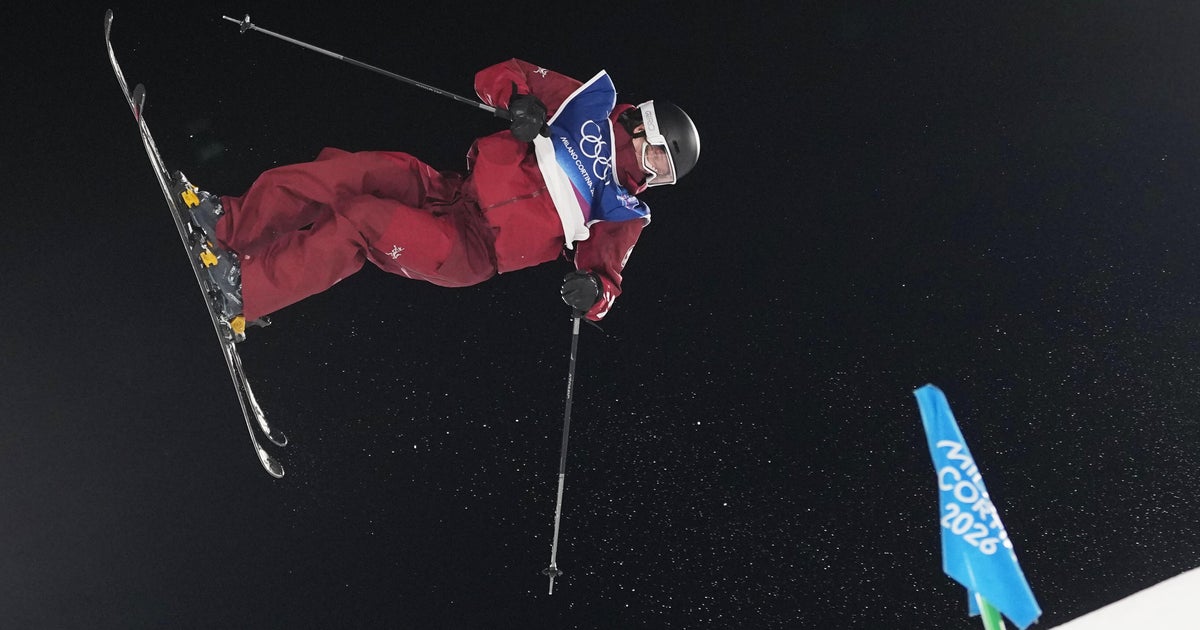
The women’s freeski big air competition at the Milan Cortina 2026 Winter Olympics delivered an electrifying performance on Monday night, as Canada’s Megan Oldham soared to Olympic gold with a commanding display of aerial artistry. The 24-year-old athlete secured her second medal of these Games with a combined score of 180.75 points from her two counted jumps, narrowly edging out defending Olympic champion Eileen Gu of China, who finished with 179 points to claim silver. Italy’s Flora Tabanelli rounded out the podium with a bronze medal, making her achievement all the more remarkable considering she suffered a torn ACL just four months ago. The competition showcased the incredible skill and determination of these world-class athletes, with Oldham demonstrating the kind of consistency and precision that separates Olympic champions from the rest of the field.
Oldham’s Historic Double-Medal Performance
For Megan Oldham, this gold medal represents the pinnacle of an extraordinary Olympic campaign. Having already secured bronze in the slopestyle event the previous week, the Canadian skier proved her versatility across freestyle skiing disciplines. The big air victory was essentially sealed by her first two jumps, which were executed with such technical brilliance and amplitude that her third and final attempt became nothing more than a celebratory victory lap. In a display that captured both the competitive intensity and the camaraderie that defines Olympic sport, Oldham fell on that final jump—a mistake that carried no consequences given her insurmountable lead. The moment was as much a release of tension as it was a celebration, demonstrating the immense pressure these athletes face when competing on the world’s biggest stage. Her ability to deliver under such pressure, especially with two counted jumps that totaled such a high score, speaks to her preparation, mental fortitude, and exceptional talent in freestyle skiing.
Eileen Gu’s Continuing Olympic Legacy
While Eileen Gu may have fallen short of defending her big air Olympic title, her silver medal performance added another impressive chapter to her already storied Olympic career. The 21-year-old, who was born in the United States but represents her mother’s native China, has now collected five Olympic medals across just two Games—an achievement that places her among the elite performers in winter sports history. At the 2022 Beijing Olympics, Gu made history by becoming the first freestyle skier ever to win three medals at a single Games, capturing gold in both big air and halfpipe while adding silver in slopestyle, all at the remarkable age of 18. Her return to big air competition in Milan Cortina was particularly noteworthy because she hadn’t competed in the discipline since her triumph in Beijing, instead focusing her training and competition schedule on other events. However, the technical similarities between big air and slopestyle—both requiring athletes to execute complex aerial maneuvers with precision—allowed her to quickly rediscover her rhythm and compete at the highest level. With a halfpipe final scheduled for Saturday, Gu still has an opportunity to defend another of her Beijing gold medals and potentially add a sixth Olympic medal to her collection, further cementing her status as one of the greatest freestyle skiers of all time.
Sportsmanship Amid Intense Competition
One of the most touching moments of the evening came after the competition concluded, when Oldham and Gu shared a warm embrace before stepping onto the medal podium together. This display of mutual respect and genuine affection between competitors perfectly encapsulates the Olympic spirit—the idea that while athletes compete fiercely for medals and national pride, they also share a bond forged through years of dedication to their sport and the unique understanding of the sacrifices required to reach the Olympic stage. Both women have pushed the boundaries of what’s possible in freestyle skiing, inspiring the next generation of athletes and demonstrating that excellence and graciousness are not mutually exclusive. Their embrace was a reminder that the Olympics, at their best, celebrate not just winning but the human connections formed through sport. It showed younger athletes watching around the world that you can give everything to win while still honoring your opponents and the competition itself.
Adversity Strikes Before the Final
The road to the medal podium was made more difficult by unfortunate circumstances that struck just before the competition began. The initial field of twelve finalists was reduced to ten after two Swiss athletes suffered injuries during their practice jumps. Mathilde Gremaud, who had successfully defended her slopestyle gold medal the previous week and was considered a strong contender in big air, injured her hip in a fall that was serious enough to require her to be stretchered off the course—a sobering reminder of the very real dangers these athletes face every time they launch themselves off the massive jump. Her teammate Anouk Andraska also sustained a wrist injury that forced her withdrawal. These incidents cast a shadow over the proceedings and served as a stark illustration of the fine line between triumph and tragedy in extreme sports. Flora Tabanelli’s bronze medal performance became even more inspiring in this context—having overcome her own ACL tear just four months earlier, she showed tremendous courage simply by competing, let alone earning a spot on the podium. The sport of freeski big air demands that athletes hurl themselves high into the air while performing multiple rotations and complex tricks, then land on a steep, icy surface. The margin for error is razor-thin, and the consequences of mistakes can be severe.
Technical Excellence in Challenging Conditions
The competition format for big air requires athletes to complete three jumps, with their two best scores counting toward their final total. Judges award points based on both the difficulty of the tricks attempted and the quality of execution, rewarding those who can combine ambitious aerial maneuvers with clean landings and stylish presentation. This scoring system encourages athletes to push their limits while also maintaining the technical precision that separates successful attempts from dangerous crashes. Adding to the challenge on Monday night, the final was delayed by more than an hour due to a snowstorm that swept through the venue, creating additional difficulties for the athletes who had to maintain their focus and physical readiness during the unexpected wait. Competing in adverse weather conditions is simply part of winter sports, but it adds another variable to an already complex equation. The athletes who succeed at the Olympic level are those who can adapt to changing circumstances, maintain their composure during delays, and execute their planned tricks regardless of conditions. Oldham’s ability to deliver her best jumps despite these challenges—securing gold with her first two attempts—demonstrated not just her technical ability but also her mental preparation and experience in handling pressure situations. These qualities, combined with her obvious talent and years of dedicated training, resulted in a gold medal performance that she and Canada will celebrate for years to come.