



America’s Air Quality Crisis: How Wildfires and Industrial Growth Made 2025 a Year to Forget
Introduction: A Troubling Picture of Air Pollution in America
The air Americans breathe became noticeably more polluted in 2025, according to a comprehensive new analysis from Swiss technology company IQAir, which tracks air quality around the globe each year. Their latest report painted a concerning picture of declining air quality across the United States, with average pollutant levels climbing by 3% compared to the previous year. Cities like El Paso and Los Angeles found themselves ranking among the most polluted areas not just in the country, but in the entire world. The report measured air pollution by calculating the concentration of harmful particles suspended in the atmosphere—specifically, how many micrograms of pollutants exist in each cubic meter of air when averaged throughout the year. By the end of 2025, the United States reached an average concentration of 7.3 micrograms per cubic meter, which exceeds the World Health Organization’s recommended safety limit of 5 micrograms per cubic meter. This threshold represents the level at which air pollution begins to pose significant health risks to the general population, particularly vulnerable groups like children, the elderly, and those with respiratory conditions.
Wildfires: The Primary Culprit Behind Worsening Air Quality
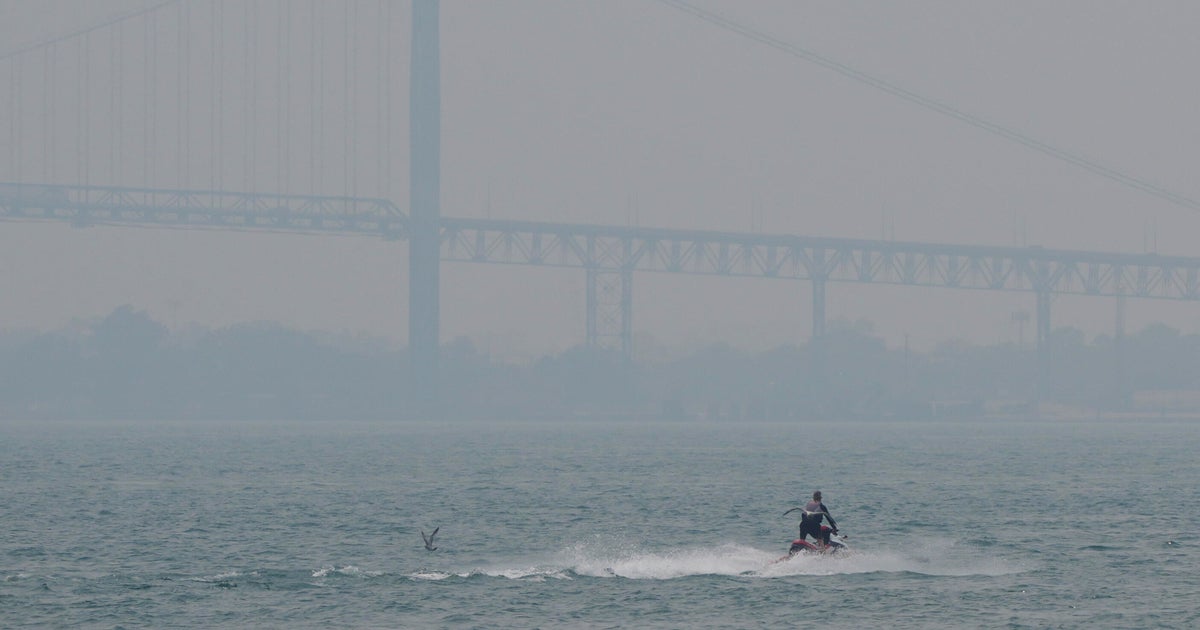
The report identified wildfires as the leading cause of America’s deteriorating air quality in 2025, with blazes across the western United States and Canada sending massive plumes of smoke and particulate matter into the atmosphere. When wildfires burn, they release an enormous quantity of fine particles and toxic gases that can travel hundreds or even thousands of miles from the original fire site, affecting air quality in regions far removed from the flames themselves. Canada experienced its second-worst fire season on record during 2025, with smoke from these northern fires drifting southward and impacting air quality throughout much of North America. The situation was particularly dramatic in Southern California, where East Los Angeles experienced some of the most severe air quality problems in the entire country. Massive wildfires that devastated Los Angeles and the surrounding region sent pollution levels skyrocketing in East L.A. and neighboring communities including Huntington Park, Cudahy, and Florence-Graham. The collective impact of these fires on this particular area of Southern California was so severe that it earned the unfortunate distinction of being the most polluted region in the United States for 2025. The health implications of wildfire smoke are particularly serious because the particles produced are extremely fine and can penetrate deep into the lungs and even enter the bloodstream, causing respiratory problems, cardiovascular issues, and other serious health conditions.
Regional Variations: How Different Cities Fared in 2025
While the overall trend showed declining air quality across the nation, the report revealed significant variations from region to region and even between cities within the same state. Texas provided a particularly striking example of these disparities, with some major cities actually seeing improvements while others experienced dramatic increases in pollution. Cities like Austin, Fort Worth, and Houston saw their pollutant concentrations drop by an average of 9%, suggesting that local efforts to reduce emissions or favorable weather patterns may have helped clear the air in these metropolitan areas. However, El Paso told a completely different story, with pollution levels surging by an astonishing 46% over the course of the year. The dramatic increase in El Paso wasn’t primarily due to wildfires like many other cities experienced, but rather resulted from historic dust storms that swept through the area last spring, blanketing the region in choking clouds of particulate matter. Many other major American cities ended 2025 with worse air quality than when the year began, including Chicago, New York City, and Washington, D.C., indicating that air pollution is increasingly becoming a problem that affects urban areas across the entire country, not just the West Coast. There were a few bright spots in the data: Denver’s average pollution levels decreased slightly during the year, and several West Coast cities including San Francisco and Seattle managed to consistently meet the annual air quality guidelines established by the World Health Organization, demonstrating that maintaining healthy air quality is possible even in densely populated urban areas.
The Western Dominance in Pollution Rankings
Despite these regional variations, western locations overwhelmingly dominated the rankings for the most polluted cities in North America during 2025, with California cities claiming the majority of spots on this unfortunate list. This concentration of pollution in western states reflects the perfect storm of factors affecting that region: the increasing frequency and intensity of wildfires due to climate change and drought conditions, dense populations in urban areas, significant industrial activity, and geographical features like mountain ranges and valleys that can trap polluted air close to ground level. California’s particular vulnerability to air quality problems stems from several factors working in combination. The state’s Mediterranean climate creates conditions conducive to wildfires during the dry season, while its large population and extensive highway systems generate significant transportation-related emissions. Additionally, California’s geography—with mountain ranges running along the coast and through the interior—can create inversion layers that trap polluted air in valleys and basins, preventing it from dispersing. The dominance of western cities in pollution rankings represents a worrying trend, especially considering that many of these areas were already struggling with air quality issues in previous years, and the situation appears to be getting worse rather than better.
Beyond Wildfires: Multiple Sources Contributing to Poor Air Quality
While wildfires grabbed headlines and certainly played the largest role in driving down air quality across America in 2025, the report made clear that they weren’t the only factor at play. The impact of wildfire smoke was compounded and exacerbated by several other pollution sources that continued to pump harmful particles and gases into the atmosphere throughout the year. Dust storms, like those that struck El Paso with such devastating effect, contributed significantly to pollution levels in certain regions, particularly in the Southwest where dry conditions and disturbed soil create ideal conditions for these events. Traditional sources of air pollution also continued to play their part: transportation emissions from the millions of cars, trucks, and other vehicles on American roads; power generation from fossil fuel-burning plants that supply electricity to homes and businesses; and various industrial processes that release pollutants as byproducts of manufacturing. Particularly noteworthy was the report’s identification of artificial intelligence data centers as “an emergent source” of air pollution—a relatively new contributor that reflects the rapid expansion of AI technology in recent years. These massive facilities contribute to air pollution in two distinct ways: indirectly, through the enormous amounts of electricity they consume, which must be generated by power plants that often burn fossil fuels and release emissions in the process; and directly, through their reliance on diesel-powered backup generators that kick in during power outages to keep the servers running continuously. This new source of pollution represents a concerning trend as AI continues to expand and more data centers are constructed to support this growing industry.
Looking Forward: The Challenge of Clean Air in a Changing World
The 2025 air quality report serves as a sobering reminder that despite decades of environmental regulations and improvements in technology, the United States still faces significant challenges in ensuring that all Americans have access to clean, healthy air to breathe. The 3% increase in average pollutant levels represents a reversal of positive trends that had been gradually improving air quality in previous years, suggesting that new factors—particularly climate-change-driven wildfires—are overwhelming the progress made through cleaner vehicles, stricter industrial standards, and other pollution-control measures. The concentration of 7.3 micrograms per cubic meter might sound like a small number, but it represents millions of Americans breathing air that exceeds World Health Organization safety guidelines on a daily basis, with real consequences for public health including increased rates of asthma, heart disease, respiratory infections, and premature death. The challenge moving forward will be addressing not just the traditional sources of air pollution, but also these newer threats like wildfires and AI data centers that are adding to the burden. This will require a multi-faceted approach including better forest management and firefighting capabilities, transition to renewable energy sources, stricter emissions standards for all pollution sources, and urban planning that considers air quality impacts. As climate change continues to alter weather patterns and create conditions more favorable to wildfires, the problem is likely to get worse before it gets better unless significant action is taken at local, state, and federal levels to address both the immediate sources of pollution and the underlying climate crisis driving many of these changes.