


European Allies Hesitate as Trump Demands Military Help in Persian Gulf Crisis
A Deepening Rift Between America and Its Traditional Partners
The United States is facing an uncomfortable reality: its closest European allies are reluctant to jump into another Middle Eastern conflict. As tensions escalate following joint U.S.-Israeli military operations against Iran, President Trump has repeatedly called on European nations to deploy warships to the Strait of Hormuz, a critical waterway now choked by Iranian retaliatory strikes. The response from Europe has been cautious at best, with leaders emphasizing diplomacy over military engagement and questioning whether they should risk their personnel in a conflict they weren’t consulted about beforehand. This hesitation reveals a significant crack in the transatlantic alliance, as European nations weigh their own national interests, legal obligations, and the lessons learned from previous Middle Eastern interventions against American expectations of solidarity.
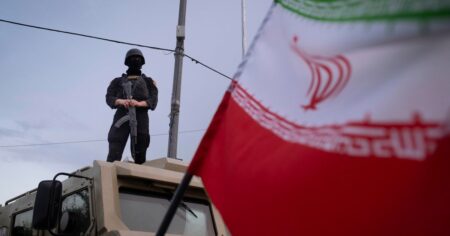
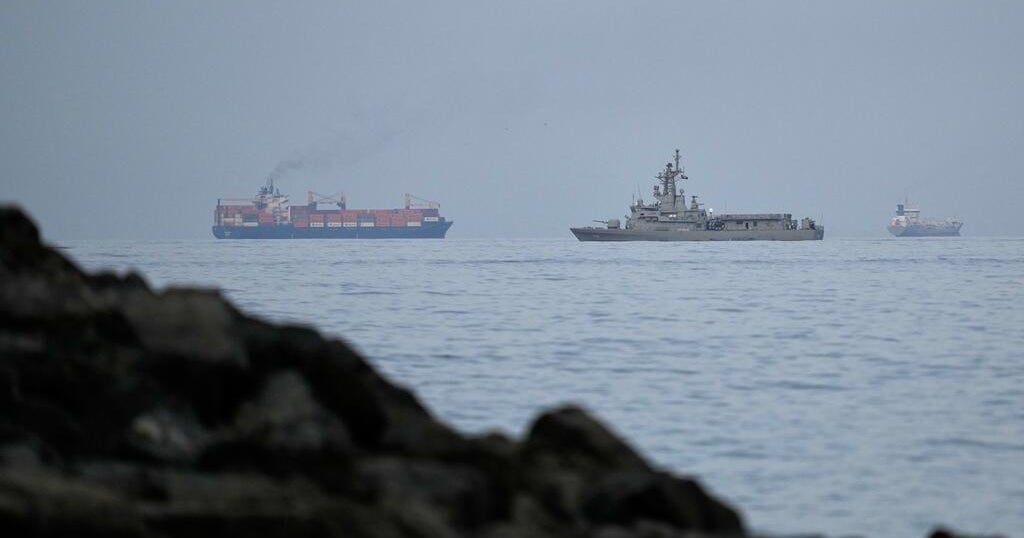
The situation in the Strait of Hormuz has become dire. Iranian forces have responded to the U.S.-Israeli assault with missile and drone attacks across the Persian Gulf, effectively bringing commercial shipping through this vital passage to a near standstill. The implications are enormous—approximately twenty percent of the world’s crude oil normally flows through these waters. With that supply chain disrupted, global energy prices have spiked sharply, threatening economic stability worldwide. Beyond oil, the closure threatens supplies of food and fertilizers that also transit the region, potentially triggering multiple simultaneous crises. President Trump’s solution is straightforward: he wants European military vessels patrolling the strait to protect commercial ships. But for European leaders, the answer isn’t nearly so simple, especially given that they were completely excluded from the planning that led to this crisis in the first place.
Europe’s Measured Response and Search for Alternatives
Kaja Kallas, the European Union’s foreign policy chief, delivered the bloc’s position with notable directness on Tuesday. “Nobody is ready to put their people in harm’s way in the Strait of Hormuz,” she told Reuters, making clear that the 27-nation alliance wouldn’t be rushing to answer Trump’s call. Instead, Kallas emphasized the need for “diplomatic ways to keep this open,” highlighting European concerns about cascading crises involving food, fertilizers, and energy. Her words reflect a fundamental difference in approach between the United States and its European partners—while Washington has opted for military action, Europe is searching for solutions that don’t involve putting European military personnel in immediate danger in a conflict zone they didn’t help create.
This cautious stance doesn’t mean Europe is ignoring the problem. Kallas mentioned that the EU could potentially expand Operation Aspides, an existing naval mission currently protecting shipping in the Red Sea, to cover the Persian Gulf region as well. Alternatively, European nations might form a “coalition of the willing,” with individual countries volunteering military resources on a case-by-case basis rather than committing the entire bloc. France has indicated some openness to participating in an international escort mission for commercial vessels—but only after the active fighting in the region has subsided. These proposals reflect Europe’s desire to find a middle path: addressing the genuine crisis in global shipping without becoming combatants in what many European leaders view as an unnecessary and poorly planned American military adventure.
Britain Stands Firm Despite Trump’s Pressure
President Trump has directed particularly sharp criticism toward British Prime Minister Keir Starmer, whose refusal to commit specific military assistance beyond defending British interests has clearly frustrated the American president. Starmer, however, has held his ground with remarkable consistency, articulating principles that resonate with a British public weary of Middle Eastern wars. On Monday, he stated plainly that the United Kingdom “would not be drawn into the wider war,” while acknowledging that reopening the Strait of Hormuz is essential for market stability and is “not a simple task.” His approach emphasizes working collaboratively with allies to develop “a viable, collective plan” that can restore freedom of navigation quickly while easing economic impacts—but doing so thoughtfully rather than reactively.
Starmer’s leadership style represents a deliberate contrast to the more impulsive decision-making he perceives from Washington. He has emphasized that throughout the Iranian conflict, his decisions have been “based on a calm, level-headed assessment of the British national interest.” More pointedly, he insisted that if British servicemen and women are to be sent into harm’s way, “the very least they deserve is to know that they do so on a legal basis and with a proper, thought through plan.” These words carry weight in Britain, where the legacy of the Iraq War still casts a long shadow and where public skepticism about Middle Eastern military adventures runs deep. Starmer’s declaration that “my leadership is about standing firm for the British interest, no matter the pressure” and his confidence that “time will show that we have the right approach” signal that he won’t be bullied into hasty military commitments, even by America’s president.
Continental Europe Seeks Clarity and Questions Strategy
Other European leaders have echoed Britain’s cautious approach while adding their own concerns about the fundamental strategy behind the U.S.-Israeli operations. German Foreign Minister Johann Wadephul articulated a question that many European officials are asking: when exactly do the United States and Israel consider their military objectives to have been achieved? “We need more clarity here,” Wadephul said, expressing frustration that European nations are being asked to commit military resources to a mission whose goals and endpoint remain undefined. This demand for clarity isn’t unreasonable—European governments need to explain to their own citizens and parliaments why they’re deploying military forces, what those forces are meant to accomplish, and under what conditions they might return home.
Luxembourg’s Foreign Minister Xavier Bettel was even more direct about Europe’s uncommitted position. “The fact is, for the moment, the EU is not directly part of the situation. So we need to decide if we are going to be part or not. That’s an important decision,” he said. His words highlight the fundamental question facing European leaders: should they join a conflict initiated by others, or should they maintain their distance and focus on diplomatic solutions? This isn’t merely about military logistics or capabilities—it’s about sovereignty, democratic accountability, and the lessons learned from previous conflicts where European nations followed America into wars that proved far more complicated and costly than initially presented. The memory of Iraq and Afghanistan weighs heavily on European decision-makers, who are determined not to repeat those mistakes.
Trump’s Frustration and the Transatlantic Divide
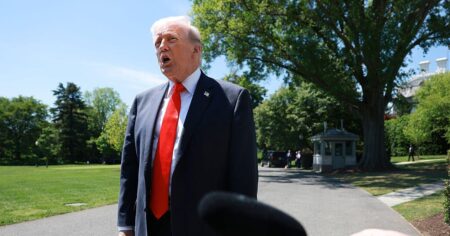
President Trump has made no secret of his disappointment with European responses, though his comments on Monday revealed a mixture of optimism and irritation. He claimed that “numerous countries have told me they’re on the way,” though he acknowledged significant variation in their enthusiasm. Some nations, he said, “are very enthusiastic about it, and some aren’t.” His frustration was particularly evident when discussing countries that America has “helped for many, many years” and “protected from horrible outside sources” but that “weren’t that enthusiastic” about answering his call. Trump added pointedly that “the level of enthusiasm matters to me,” suggesting that he’s taking note of which allies he considers sufficiently grateful and which he views as disappointing.
This transactional approach to alliances—measuring support based on enthusiasm and viewing military assistance as repayment for past American protection—represents a significant departure from traditional concepts of collective security and shared strategic interests. European leaders, for their part, would argue that true allies consult each other before launching military operations, not afterward when demanding assistance with the consequences. The fact that European nations were “cut out of the planning ahead of the assault on Iran” has not been forgotten across the Atlantic. Many European officials privately express resentment at being excluded from decision-making but then expected to shoulder risks and costs once things become difficult. This fundamental disagreement about how alliances should function—as partnerships of equals or as hierarchies where America leads and others follow—lies at the heart of the current tensions and may have lasting implications for transatlantic relations regardless of how the immediate crisis resolves.