


Federal Refusal to Share Evidence in Minnesota Killings Sparks Unprecedented Conflict
Breakdown in Cooperation Between State and Federal Agencies
Minnesota’s primary investigative body, the Bureau of Criminal Apprehension (BCA), has found itself in an extraordinary standoff with federal authorities over critical evidence in several fatal shootings. On Monday, the BCA publicly announced that the FBI has formally declined to share evidence and information related to the January 24 killing of Alex Pretti, a south Minneapolis resident who was shot and killed by federal agents. What makes this situation particularly alarming, according to the BCA, is that this lack of cooperation is both “concerning and unprecedented” in the history of their relationship with federal law enforcement agencies. This isn’t an isolated incident either—the FBI has similarly withheld evidence in the federal killing of Renee Good and in the shooting of a Venezuelan national that occurred just last month. Despite repeated requests from state investigators, federal authorities have maintained their position of non-cooperation, creating a troubling barrier to transparency and accountability in these cases.
The BCA’s Superintendent Drew Evans has made it clear that his agency remains committed to pursuing justice in these cases, regardless of the obstacles being placed in their path. Evans stated that the BCA has formally communicated to both the FBI and the Department of Justice that should federal authorities change their stance, Minnesota investigators would be willing to share information they’ve gathered and would welcome the opportunity for a joint investigation. This olive branch demonstrates the state’s commitment to collaboration and transparency, standing in stark contrast to the federal government’s apparent unwillingness to reciprocate. Evans emphasized that the BCA will continue to pursue “all legal avenues” to gain access to the relevant information and evidence that federal authorities are currently withholding, signaling that this fight for accountability is far from over.
The Alex Pretti Case and Evidence Tampering Concerns
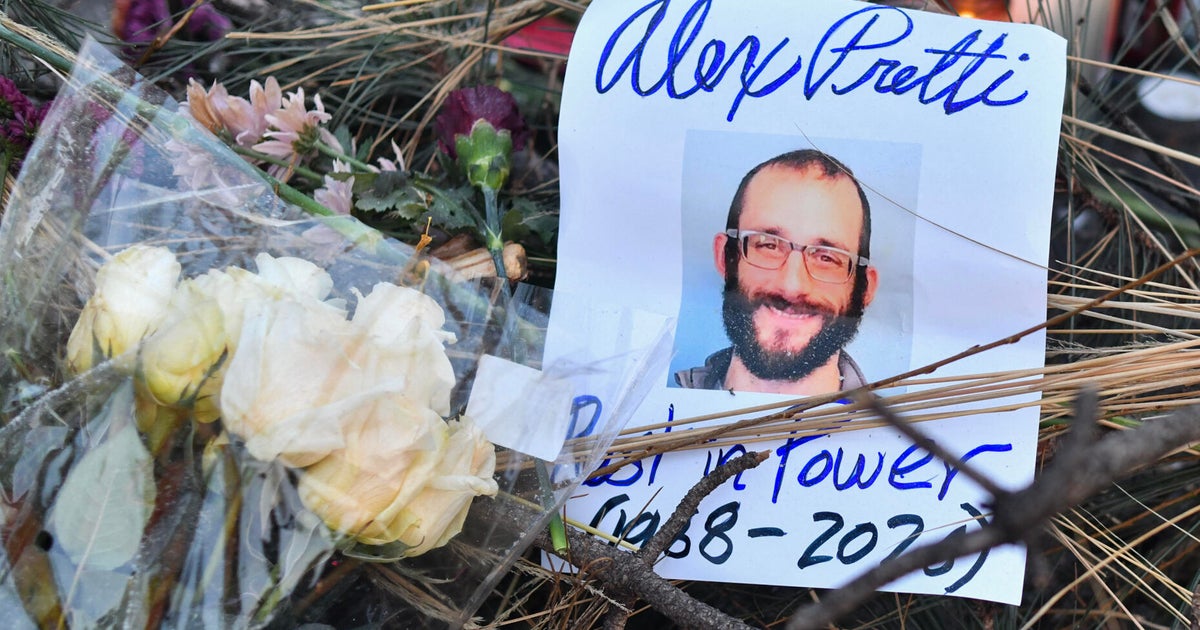
The circumstances surrounding Alex Pretti’s death have been controversial from the very beginning. When federal agents shot and killed Pretti in south Minneapolis on January 24, the aftermath revealed a deeply troubling pattern of behavior by federal investigators. Rather than cooperating with state authorities, federal agents physically prevented BCA investigators from gathering evidence at the scene—an extraordinary step that raised immediate red flags about transparency and the integrity of the investigation. Recognizing the serious implications of this interference, the BCA took the unusual step of successfully requesting a restraining order to prevent the Department of Homeland Security from destroying or altering any evidence related to the shooting. This legal action underscored the state investigators’ genuine concerns about evidence preservation and the possibility of a cover-up.
However, just days after the restraining order was granted, a federal judge made the controversial decision to lift it. The judge’s reasoning was that the concerns over evidence tampering were “undeveloped,” a determination that many found troubling given the unprecedented nature of federal agents physically blocking state investigators from a crime scene. This judicial decision effectively gave federal authorities free rein over the evidence, without the oversight and accountability that state involvement would have provided. The lifting of the restraining order represents another barrier in Minnesota’s efforts to conduct a thorough and independent investigation into Pretti’s death, leaving questions about what happened that day and whether all evidence will be properly preserved and examined.
County Attorney Steps In With Formal Demands
Hennepin County Attorney Mary Moriarty has now entered the fray, attempting to use her authority to break through the federal stonewalling. On Sunday, Moriarty announced her intention to send a written demand for evidence in Pretti’s killing directly to the U.S. departments of Justice and Homeland Security. This isn’t Moriarty’s first attempt to obtain federal cooperation—she previously sent a similar letter regarding the killing of Renee Good, demonstrating a pattern of federal non-responsiveness to state requests for information. As the top prosecutor for Minnesota’s most populous county, Moriarty is also investigating the shooting of the Venezuelan national, giving her office oversight of multiple cases where federal authorities have killed or injured people within her jurisdiction yet refuse to share basic information with local prosecutors.
Moriarty’s involvement adds another layer of legal pressure on federal authorities, as her office would be responsible for any state-level charges that might arise from these incidents. The fact that a county attorney finds it necessary to formally demand evidence from federal agencies in cases that occurred within her jurisdiction speaks volumes about the extraordinary breakdown in normal law enforcement cooperation. Typically, state and federal authorities work hand-in-hand on investigations, sharing evidence and expertise to ensure justice is served. The current situation in Minnesota represents a complete departure from this norm, with federal agencies apparently operating as if they are above accountability to state and local authorities, even when they take lethal action on local streets.
Family’s Plea for Joint Investigation
Earlier this month, Alex Pretti’s grieving family made a public appeal that both the FBI and BCA investigate his killing jointly. In a statement that captured both their pain and their commitment to truth, the family said, “Justice and accountability requires a thorough and impartial investigation to establish the facts. A truly joint state and federal investigation would be a welcome development.” This statement reflects the family’s understanding that only through cooperation and transparency can they hope to learn what really happened to their loved one and whether the use of lethal force was justified.
The family’s call for a joint investigation is both reasonable and heartbreaking—reasonable because cooperation between agencies should be standard practice in such cases, and heartbreaking because they have been forced to publicly plead for something that should happen automatically. Their statement carefully avoided taking sides, instead focusing on the fundamental principles of justice: thorough investigation, impartiality, and fact-finding. Yet despite this measured and reasonable request from people who have lost a family member to federal gunfire, authorities have continued their pattern of non-cooperation, effectively telling the Pretti family that they don’t deserve answers about why their loved one is dead.
Congressional Report Alleges Cover-Up and Misconduct
The conflict over these Minnesota killings has now reached the halls of Congress, where Democratic members of the U.S. House Committee on Oversight and Government Reform released a damning report earlier this month. The report directly accused the Trump administration of lying to “cover up misconduct” in the killings of both Renee Good and Alex Pretti. This congressional intervention elevates these cases from local controversies to matters of national concern, suggesting that the problems with transparency and accountability may extend beyond Minnesota to represent a broader pattern of federal misconduct.
The congressional report’s allegations of deliberate deception by the Trump administration add a political dimension to what should be straightforward law enforcement investigations. When elected officials at the federal level are accused of actively concealing information about lethal force incidents, it raises fundamental questions about whether federal law enforcement agencies can be trusted to police themselves. The report provides important context for understanding why federal authorities might be so reluctant to share evidence with state investigators—if there truly is misconduct to cover up, transparency would expose it. The BCA’s characterization of this situation as “unprecedented” takes on even greater significance in light of these congressional findings, suggesting that Minnesota may be experiencing the consequences of a deliberate federal policy of non-cooperation rather than simple bureaucratic confusion.
Implications for Justice and Accountability
The ongoing standoff between Minnesota state investigators and federal authorities represents more than just a turf battle between law enforcement agencies—it strikes at the heart of accountability and the rule of law. When federal agents can kill people on city streets and then prevent local and state authorities from investigating those deaths, it creates a dangerous precedent where one level of government operates without meaningful oversight. The BCA’s commitment to pursuing “all legal avenues” for obtaining evidence shows that state authorities recognize the stakes involved and aren’t willing to simply accept federal stonewalling as the new normal.
As this situation continues to develop, it serves as a critical test case for whether federal law enforcement can be held accountable when operating within state jurisdictions. The families of Alex Pretti, Renee Good, and the wounded Venezuelan national deserve answers about what happened to their loved ones. The residents of Minnesota deserve to know whether federal agents are using appropriate force when operating in their communities. And the American public deserves to know whether their government is telling the truth about these deadly encounters. Until federal authorities change course and begin cooperating with state investigators, these fundamental questions will remain unanswered, and the unprecedented nature of this conflict will continue to erode public trust in law enforcement at all levels.