

FBI Investigates Threatening Video Related to MacDill Air Force Base Security Incidents
Anonymous Group Claims Responsibility for Explosive Device
The Federal Bureau of Investigation has launched an investigation into a disturbing video that surfaced following last week’s security scare at MacDill Air Force Base in Florida. The video, which was sent anonymously to the Tampa Bay Times through the encrypted messaging application Signal, features an individual claiming responsibility for planting what authorities believe may have been an improvised explosive device at the military installation. Law enforcement sources are working to determine whether the claims made in the video are legitimate or if they’re dealing with someone attempting to take credit for the incident or create additional panic in the community.
The video itself is deliberately obscured, with the person speaking shown only in silhouette while using what appears to be voice-altering technology to mask their identity. In the recording, the speaker claims affiliation with a group that opposes two specific U.S. government policies: military involvement in Iran and current deportation practices. The individual provides what they claim is a detailed timeline of multiple threats directed at MacDill Air Force Base throughout the previous week, including the suspicious package that was discovered on March 16 and a subsequent security threat that prompted officials to order a lockdown of the facility just days later. Most concerning, the person in the video suggests that additional explosive devices may have been planted at the base, raising serious questions about ongoing security vulnerabilities at this critical military installation.
Details of the Threats and Timeline
According to the newspaper’s reporting on the video’s contents, the masked individual made specific claims about multiple incidents targeting the base. The person stated that another bomb was allegedly planted at MacDill on March 10, nearly a week before the suspicious package was actually discovered by officials. According to the video, this earlier device apparently failed to detonate as intended. Rather than expressing relief or reconsidering their actions, the person speaking claims that any technical problems or “design flaws” that prevented the earlier device from functioning have since been identified and corrected, implying that future attempts might be more successful. This assertion, if true, would suggest a determined individual or group that is learning from failures and potentially poses an escalating threat to the safety of military personnel and civilians in the Tampa area.
The Tampa Bay Times, recognizing the serious public safety implications of the video’s contents, made the responsible decision to turn the footage over to federal investigators rather than publishing it or its full contents. This cooperation between media outlets and law enforcement is crucial when dealing with potential terrorist threats. While journalists have a responsibility to inform the public, they also recognize that some information could either compromise ongoing investigations or potentially inspire copycat incidents. The FBI is now working to authenticate the video, determine who created and sent it, and establish whether the person or people behind it actually have the capability and intent to carry out the threats they’ve made, or if this is an attempt by unrelated individuals to claim credit for last week’s incident or create fear.
FBI Response and Investigation Status
The Federal Bureau of Investigation has issued a carefully worded statement in response to questions about the video and the ongoing investigation. “The FBI takes all threats seriously and is committing our vast and sophisticated resources to the investigation of last week’s threats at MacDill Air Force Base,” the statement read. However, the bureau also sought to reassure the public, adding that “We currently do not have credible information about any potential threats” at this time. This language is typical of law enforcement communications during active investigations—acknowledging the seriousness of the situation while avoiding creating unnecessary panic in the community. The FBI is utilizing its extensive technological capabilities and investigative expertise to trace the origin of the video, analyze its contents for clues about the creator’s identity, and determine whether the threats should be considered credible.
The bureau’s statement emphasized the collaborative nature of the investigation: “We continue to work closely with federal, state, and local law enforcement and private sector partners to keep our community safe.” This multi-agency approach is standard for cases involving potential terrorism or threats against military installations, which require coordination between federal investigators, military security personnel, local police departments, and specialized units with expertise in explosive devices. The FBI also made a public appeal, asking community members to remain vigilant and “please report anything that may seem suspicious to law enforcement immediately.” This request reflects the reality that preventing attacks often depends on alert citizens who notice and report unusual activity, and that investigators need information from anyone who might have seen something relevant to last week’s incidents or who might have information about individuals discussing attacks against the base.
The MacDill Security Incidents
The sequence of events that prompted this investigation began on March 16, when a suspicious package was discovered outside the visitor center at MacDill Air Force Base. Military personnel and bomb technicians responded to the scene, and initial field testing of the package’s contents raised serious red flags. “Field screening was conducted on the contents of the package and identified possible energetic materials,” the FBI’s Tampa office later reported in a post on the social media platform X (formerly known as Twitter). The term “energetic materials” is technical language used by investigators and bomb technicians to refer to substances that can produce explosions or rapid combustion—in other words, the components of a bomb. The FBI noted that final laboratory analysis was not yet complete, meaning that experts were still working to determine the exact nature of the materials, whether they could have functioned as an explosive device, and how sophisticated the construction was.
The discovery of this package prompted immediate and significant changes to the security posture at MacDill. The day after the suspicious package was found, military officials made the decision to raise the base’s threat level to Force Protection Condition Charlie, commonly abbreviated as FPCON Charlie. This is the second-highest alert level in the military’s five-tier system for indicating threats to installations and personnel. FPCON Charlie is implemented when an incident has occurred or when intelligence indicates that some form of terrorist action or targeting against personnel or facilities is likely. This elevation meant that security measures around the base were significantly tightened, with additional checkpoints, more thorough vehicle searches, restrictions on base access, and increased patrols. Then, two days after the package was discovered, officials took the additional step of issuing a shelter-in-place order for everyone on the base, citing an unspecified threat. Personnel were instructed to remain indoors in secure locations while security forces investigated. After several tense hours, the shelter-in-place order was lifted, though the base remained at the elevated FPCON Charlie status.
The Strategic Importance of MacDill Air Force Base
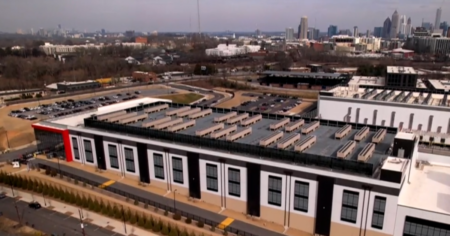
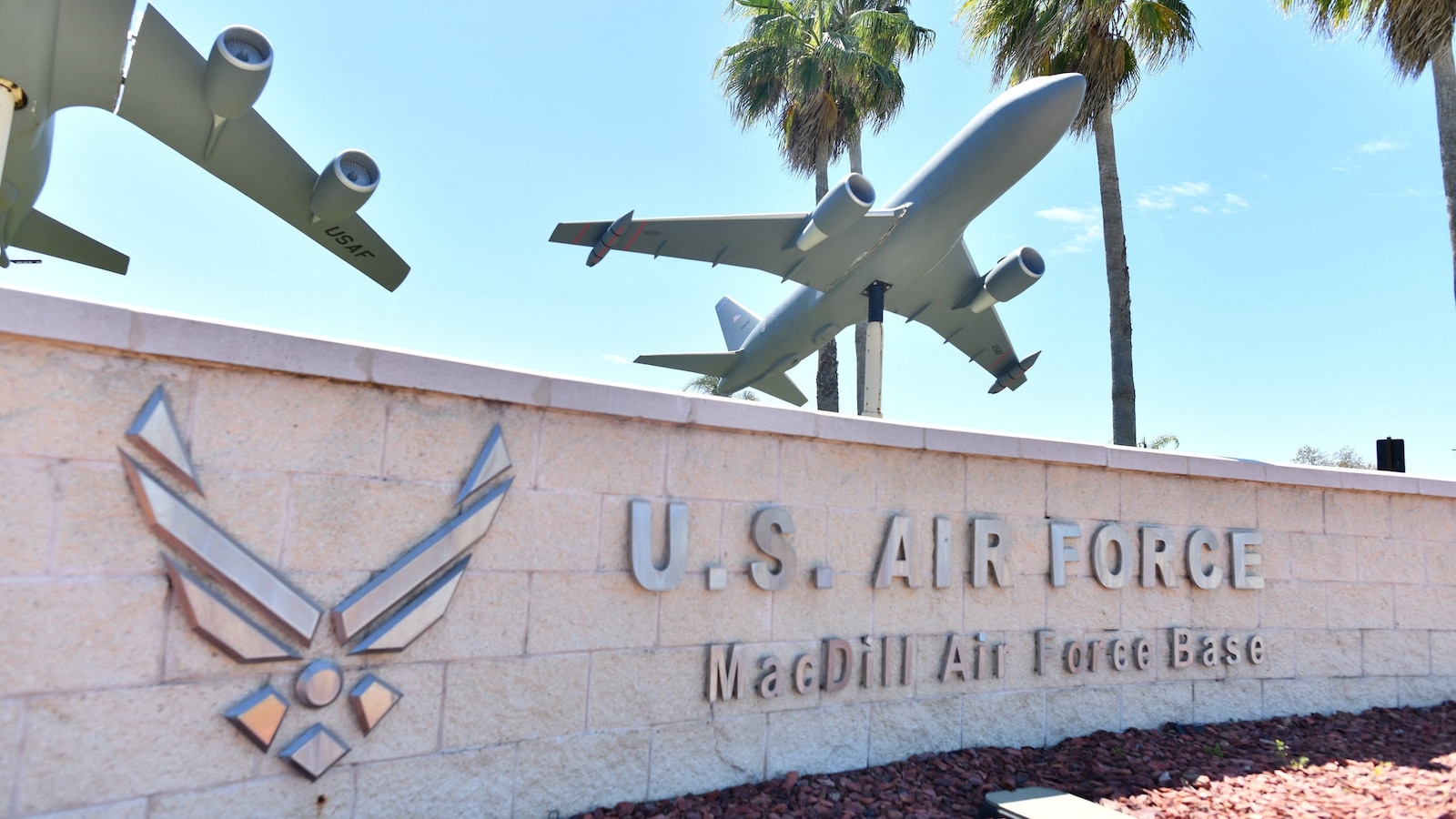
Understanding why MacDill would be targeted requires recognizing its crucial role in U.S. military operations around the world. Located in Tampa, Florida, MacDill is far more than just another military airfield—it serves as a critical command hub for some of the Pentagon’s most important operations. The base is home to United States Central Command, commonly known as CENTCOM, which is responsible for directing all U.S. military operations across a vast region that includes the Middle East, Central Asia, and parts of South Asia. Every military action in countries like Iraq, Syria, Afghanistan, and Yemen is coordinated through CENTCOM headquarters at MacDill. Additionally, the base hosts U.S. Special Operations Command, which oversees all special forces operations conducted by the Army’s Delta Force, Navy SEALs, Air Force special tactics units, and Marine special operations teams.
Given these responsibilities, MacDill represents what security experts call a “high-value target”—a location that, if successfully attacked, would have significant symbolic value and could potentially disrupt military operations. The person or group behind the video specifically mentioned opposition to “war in Iran,” which is particularly relevant given CENTCOM’s role in planning and executing any potential military operations in that country. An attack on MacDill would not only potentially harm military personnel but could be seen as a direct strike against America’s ability to project power in the Middle East. This makes determining the credibility of the threats and identifying those responsible an absolute priority for federal investigators. The security of this base affects not just the Tampa community but national security interests across the globe. As the investigation continues, both military and civilian law enforcement agencies are working around the clock to ensure that MacDill remains secure and that those responsible for last week’s incidents—and the threatening video—are identified and apprehended before they can act again.