


Health Alert: Salmonella Outbreak Linked to Popular Moringa Supplement
Understanding the Current Health Crisis
Health authorities across the United States are currently working to contain a concerning Salmonella outbreak that has been traced back to a popular dietary supplement. The U.S. Centers for Disease Control and Prevention, working alongside the Food and Drug Administration and various state health departments, has identified Rosabella-brand moringa powder capsules as the source of a particularly worrying strain of drug-resistant Salmonella infections. This investigation has revealed seven confirmed cases of illness spanning across seven different states, with three of these cases being severe enough to require hospitalization. The affected states include Arizona, Florida, Iowa, Illinois, Indiana, Tennessee, and Washington, with at least one reported case in each location. What makes this outbreak particularly concerning to health officials is not just the geographic spread of the infections, but the fact that the Salmonella strain involved shows resistance to standard antibiotic treatments, making it more difficult to treat effectively.
Product Details and Distribution Reach
The recalled product consists of moringa powder packaged in capsule form, easily identifiable by its distinctive packaging: a white bottle containing 60 capsules, topped with a green lid and featuring a green label. Ambrosia Brands, the company responsible for distributing these supplements, has taken the responsible step of voluntarily recalling all potentially contaminated product lots. The widespread distribution of these capsules means they could be in many homes across the country, as they were sold through multiple popular channels. Consumers may have purchased these products directly from Rosabella’s official website or their TikTok shop, which has become an increasingly popular platform for health and wellness products. Additionally, the capsules were available through major online retailers including eBay and Shein, as well as various other retail outlets, meaning the potential reach of the contaminated products is quite extensive. Anyone who purchased moringa supplements recently should carefully check their bottles against the recall information to ensure their safety.
Identifying Recalled Products
To help consumers determine whether they have purchased affected products, health authorities have provided specific identification information. All recalled lots share a common SKU number that begins with 1356, and consumers should look for lot codes that end with either “-1” or “-2” following the main lot number. The FDA has published a complete list of affected lot numbers on their official website for easy reference. Another key identifier is the expiration date printed on the bottle – all recalled products have expiration dates ranging from March 2027 through November 2027. If you have a bottle of Rosabella moringa powder capsules in your home, it’s crucial to check these identifying features immediately. Don’t rely on where you purchased the product or when you bought it; instead, physically examine the bottle for these specific markers. The FDA’s website contains detailed images and the complete list of recalled lot numbers to make identification as straightforward as possible for concerned consumers.
What is Moringa and Why Do People Use It?
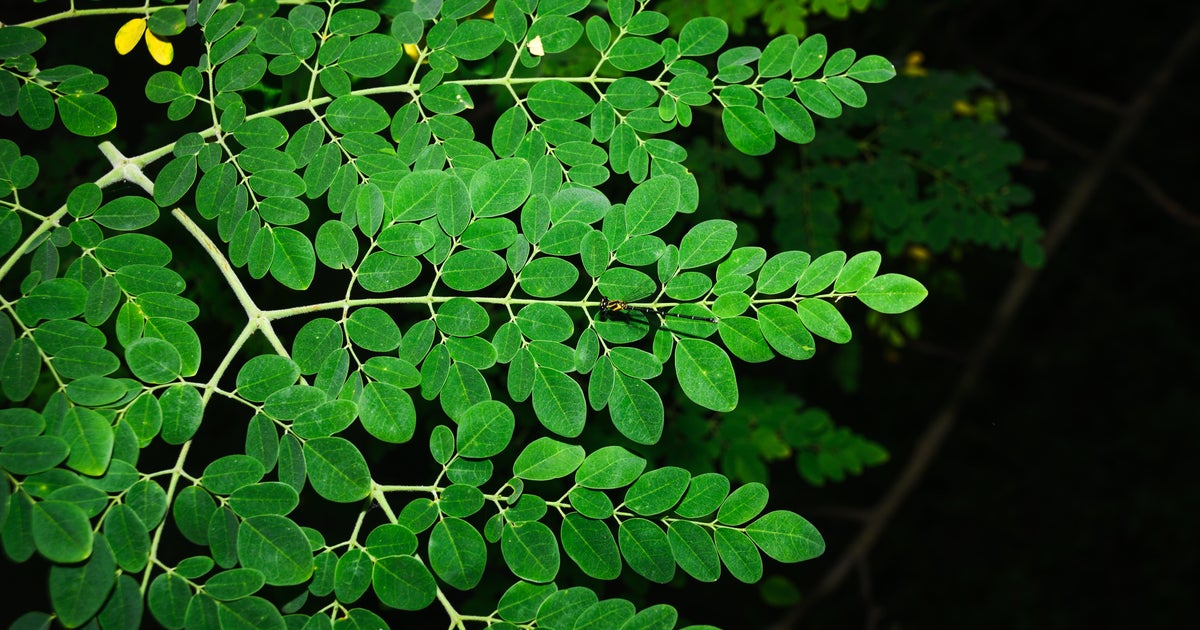
For those unfamiliar with this supplement, moringa powder comes from the moringa tree, which thrives in warm climates throughout various regions of the world. According to the National Institutes of Health, both the leaves and pods of this tree contain numerous essential nutrients, which has led to its popularity as a dietary supplement. People have traditionally used moringa products to create beverages and treatments aimed at addressing various health conditions, including stomach ulcers, toothaches, and high blood pressure. The supplement has gained significant popularity in recent years, particularly through social media platforms where influencers and wellness advocates have promoted its supposed health benefits. However, it’s important for consumers to understand that the scientific evidence supporting many of these health claims remains limited. As the Cleveland Clinic noted in a recent article, “Some of the health claims around moringa (especially the claims made by supplement manufacturers) don’t have a lot of evidence to support them.” The medical community agrees that much more rigorous, high-quality research is needed before healthcare providers can confidently state that moringa prevents or effectively treats any specific illness. This outbreak serves as a reminder that supplements, while popular, are not without risks and should be purchased from reputable sources.
What Consumers Need to Do Right Now
Health officials are issuing clear and urgent instructions to anyone who may have these products in their homes. First and most importantly, do not consume any Rosabella moringa powder capsules, even if you’ve been taking them without apparent problems. Throw away the product immediately, but do so safely – consider sealing it in a plastic bag before disposal to prevent any potential contamination of your trash receptacle. Second, thoroughly clean and disinfect any surfaces that may have come into contact with the capsules or the bottle, including countertops, shelves, and anywhere you may have handled the product. Use proper cleaning solutions and wash your hands thoroughly after handling the recalled items. Third, anyone who has consumed these capsules should carefully monitor themselves for symptoms of Salmonella infection, which can include high fever, severe dehydration, persistent diarrhea, and vomiting. These symptoms can appear anywhere from six hours to six days after exposure to the bacteria. If you or someone in your household experiences these symptoms, especially if they become severe, seek medical attention promptly and inform your healthcare provider about your exposure to the recalled product.
Understanding the Serious Health Risks
Salmonella infections should never be taken lightly, and this particular outbreak presents additional concerns due to the drug-resistant nature of the bacterial strain involved. According to the FDA, Salmonella can cause serious and potentially fatal infections, particularly in individuals with compromised immune systems. This includes elderly individuals, young children, pregnant women, and anyone with chronic health conditions or weakened immunity due to medical treatments like chemotherapy. The drug-resistant aspect of this strain means that if someone does develop a serious infection, the standard antibiotics that doctors typically prescribe may not be effective, requiring alternative treatments and potentially longer recovery times. Even in healthy adults, Salmonella can cause extremely uncomfortable symptoms lasting several days to a week, resulting in significant disruption to daily life and sometimes requiring medical intervention to manage dehydration and other complications. The fact that three of the seven reported cases resulted in hospitalization underscores the potential severity of these infections. This outbreak also highlights the importance of proper manufacturing and quality control practices in the supplement industry, which is not as strictly regulated as the pharmaceutical industry. Consumers should always research supplement manufacturers, look for third-party testing certifications, and consult with healthcare providers before starting any new supplement regimen, regardless of how natural or harmless it may seem.