


FEMA Reopens Critical Disaster Prevention Program After Legal Battle
A Major Reversal in Federal Disaster Policy
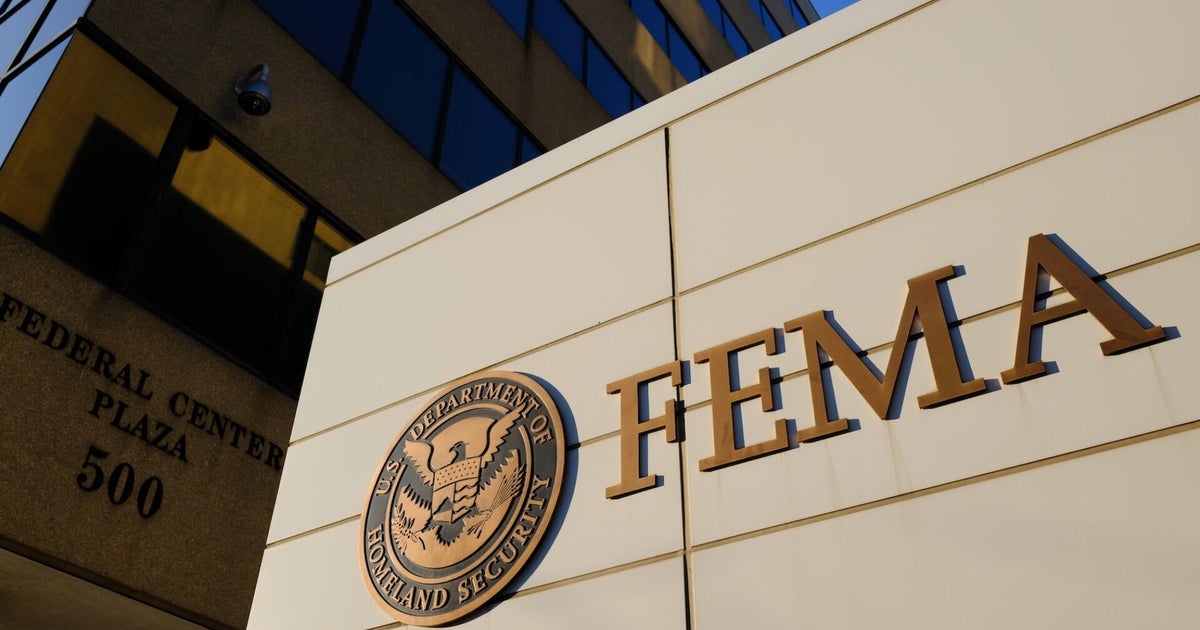
In a significant policy turnaround, the Federal Emergency Management Agency (FEMA) has reopened applications for its Building Resilient Infrastructure and Communities (BRIC) program, making $1 billion available to help communities across America prepare for natural disasters. This decision comes just three weeks after a federal judge ordered the agency to restore the funding that had been abruptly canceled last year. The BRIC program represents a crucial lifeline for states, local governments, territories, and tribal nations working to protect their communities from increasingly frequent natural hazards including wildfires, floods, earthquakes, and hurricanes. According to FEMA’s acting leader, Karen S. Evans, proper mitigation activities don’t just save lives—they dramatically reduce the financial burden of future disasters. This reopening marks a notable shift in the Trump administration’s approach to disaster management, which had previously focused on cutting preparedness funding across multiple FEMA programs. The restoration of BRIC funding signals that federal officials may be recognizing the wisdom of investing in prevention rather than simply responding to catastrophes after they strike.
The Controversial Cancellation and Its Widespread Impact
The story of BRIC’s cancellation last April reveals the complex politics surrounding disaster preparedness in America. When Cameron Hamilton, serving as FEMA’s acting leader at the time, terminated the program, he dismissed it as “wasteful and ineffective”—a decision that immediately sparked outrage from lawmakers on both sides of the political aisle. The consequences were far-reaching and severe: approximately $3.6 billion in funding was frozen, affecting several years’ worth of critical projects designed to protect infrastructure, communities, and homes throughout the United States. An investigation by CBS News uncovered a troubling pattern in how these cuts affected American communities. The data showed that two-thirds of the counties losing BRIC funding had actually voted for President Trump in the 2024 election, meaning his own supporters bore the brunt of these cuts. Particularly hard-hit was the Southeast, a region already vulnerable to hurricanes, flooding, and other natural disasters. FEMA records indicated that nearly 700 projects were suddenly left in limbo, including vital improvements to flood-prone canal basins in South Florida and a desperately needed flood control system in Central, Louisiana—a town where 60% of structures had been destroyed by devastating rainfall in 2016.
Legal Intervention Forces Government’s Hand
The cancellation of BRIC didn’t go unchallenged. A coalition of 22 Democratic-led states along with the District of Columbia filed a lawsuit against the Trump administration, arguing that FEMA lacked the authority to simply eliminate the program. U.S. District Judge Richard G. Stearns sided with the states, ruling in December that FEMA could not unilaterally cancel BRIC and ordering the agency to reverse its decision. The timing of this legal battle was particularly significant, coinciding with FEMA facing intense scrutiny over its response to catastrophic flooding in Texas that claimed more than 130 lives, including at least 37 children. The lawsuit was also filed just days after severe rainfall and flooding wreaked havoc on communities stretching from New York and New Jersey all the way to New Mexico, underscoring the urgent need for exactly the kind of preparedness infrastructure that BRIC was designed to support. When FEMA initially failed to comply with the court’s order to release the funding, Judge Stearns issued a second directive this month, forcing the agency to take concrete steps toward restoring the program. This legal pressure, combined with mounting criticism from disaster-affected communities and their representatives, ultimately compelled FEMA to reopen the program.
New Rules Shift Responsibility to States and Communities
While the restoration of BRIC funding represents a victory for disaster preparedness advocates, the program’s resurrection comes with significant changes that reflect the Trump administration’s broader philosophy of disaster management. FEMA has announced that it completed an evaluation of the program, which was originally established during Trump’s first term but had become, in the agency’s view, overly bureaucratic and too focused on “climate change initiatives” under former President Joe Biden’s administration. The new version of BRIC imposes rules designed to push greater responsibility for disaster management onto state and local governments. States now have 120 days to apply for funding covering fiscal years 2024 and 2025, since last year’s opportunity was rescinded. According to FEMA’s statement, “The program now maximizes state and local responsibility for resilience and risk reduction rather than federal investing in a wide range of activities.” Notably, the revised program eliminates funding for hazard mitigation planning and non-financial direct technical assistance—changes that could disproportionately impact smaller communities that lack the resources and expertise of larger metropolitan areas. However, not all the new rules work against smaller jurisdictions. The updated program includes caps on how much any single recipient can receive and prioritizes new applicants and “impoverished communities”—provisions that appear to address past criticisms that BRIC favored wealthy coastal states while remaining difficult for rural areas to access.
Questions Remain About Previously Awarded Grants
Even as FEMA opens applications for new BRIC funding, significant uncertainty remains about the status of grants that were already awarded before the program’s cancellation. Many communities across the country have critical disaster preparedness projects that were ready to begin construction when funding was suddenly frozen, leaving them in a frustrating state of limbo. Representative Rick Larsen, a Democrat from Washington state and the ranking member of the House Transportation and Infrastructure Committee, highlighted this problem in a statement issued Wednesday. He noted that BRIC’s cancellation had halted construction of a flood wall in Aberdeen, located in his district. “Slowing states’ ability to prepare for disasters was shortsighted, and communities like Aberdeen paid the price,” Larsen stated, expressing the frustration felt by numerous local officials and community leaders across the nation. The timing of these delays couldn’t be worse, given the alarming increase in catastrophic weather events. According to a Climate Central database, the last decade has witnessed almost as many weather- and climate-related disasters causing $1 billion or more in damages as occurred during the entire 35-year period before that. This dramatic acceleration in disaster frequency and severity underscores why preparedness programs like BRIC are so essential for protecting American communities and infrastructure.
The Economics of Prevention and Hope for Stability
Perhaps the most compelling argument for disaster preparedness programs like BRIC comes from the economics of prevention versus response. Multiple research studies have demonstrated that investing in disaster readiness before catastrophe strikes yields enormous returns compared to simply responding after the fact. A 2024 study funded by the U.S. Chamber of Commerce found that every single dollar invested in disaster preparation saves $13 in economic impact, damage, and cleanup costs—a remarkable return on investment that makes programs like BRIC not just humanitarian necessities but economic imperatives. This cost-benefit reality makes FEMA’s initial cancellation of BRIC all the more puzzling to disaster management experts and fiscal conservatives alike. Looking forward, there’s cautious optimism that FEMA may finally find some stability under newly sworn-in Homeland Security Secretary Markwayne Mullin, following the turbulent tenure of his predecessor, Kristi Noem. Former FEMA officials, lawmakers from both parties, and disaster survivors have expressed hope that Mullin could bring more consistent leadership to the agency. At his Senate confirmation hearing last week, Mullin endorsed FEMA’s core mission and expressed support for efforts to make the agency more effective, accelerate payments to state and local jurisdictions, and better serve rural communities—all priorities that align with the goals of the BRIC program. Whether this signals a lasting commitment to disaster preparedness or merely a temporary reprieve remains to be seen, but for now, communities across America can once again access funding to protect themselves from the natural hazards that threaten them with increasing frequency.