


British Steel Saves 2,700 Jobs After Government Intervention
A Dramatic Rescue for Britain’s Steel Industry
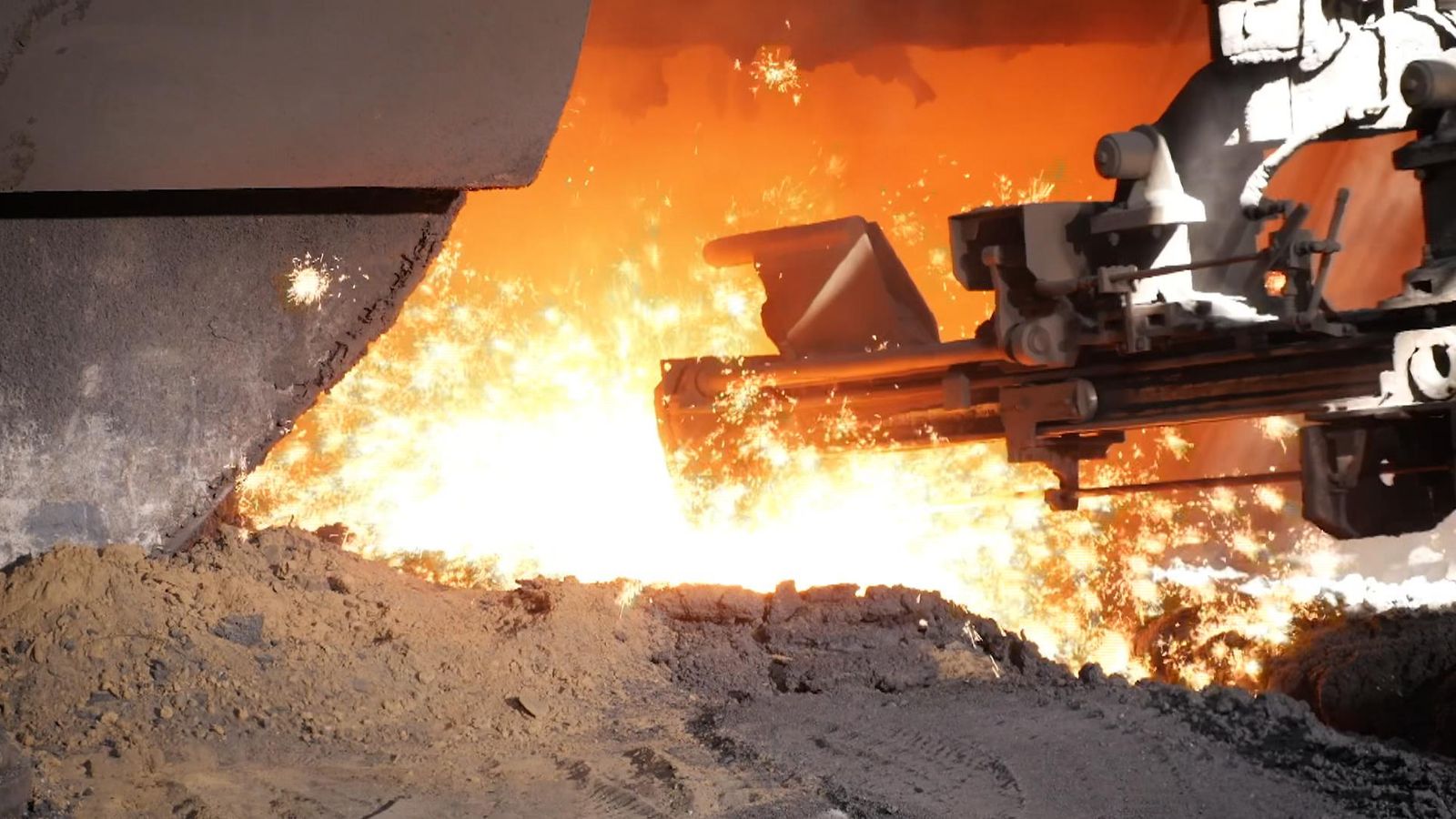
In a remarkable turn of events that has brought relief to thousands of families across North Lincolnshire, British Steel has announced it will halt plans to cut up to 2,700 jobs following an unprecedented government takeover of the struggling company. The dramatic rescue came after Members of Parliament were recalled to the House of Commons on April 12th for an emergency debate that resulted in new legislation giving the government control over the steel manufacturer. This intervention prevented what could have been a devastating blow to the UK’s industrial heartland and saved Britain’s only virgin steel furnace from permanent closure. The Scunthorpe plant, which employs 3,500 people directly and supports countless more jobs in the supply chain, was on the brink of shutting down after its Chinese owner, Jingye, had cancelled orders for essential raw materials. The government’s swift action ensured that production could continue while a long-term strategy for British steelmaking is developed, marking a significant moment in the ongoing debate about the future of heavy industry in the United Kingdom.
Understanding the Crisis That Nearly Closed Scunthorpe
The crisis at British Steel didn’t emerge overnight but was the result of mounting pressures that made the company’s blast furnaces increasingly difficult to operate profitably. Jingye, the Chinese firm that owns British Steel on paper, had determined that the blast furnaces were “no longer financially sustainable” due to what they described as “highly challenging” market conditions. The situation was complicated by several factors, including the substantial costs associated with transitioning to lower-carbon production techniques that would meet modern environmental standards. Additionally, new tariffs imposed by President Trump placed a 25% tax on all steel imports to the United States, creating further financial strain on the business. These tariffs had a ripple effect across the global steel industry, prompting countries worldwide to reconsider how they secure supplies of critical materials. The Scunthorpe works are unique in Britain because they produce virgin steel from raw materials using traditional blast furnaces, unlike other facilities such as the one in Port Talbot, Wales, which recycle scrap metal using electric furnaces. This distinction makes Scunthorpe particularly important for national security and manufacturing capabilities, as the government emphasized during parliamentary debates.
The Government Steps In With Unprecedented Powers
What makes this rescue particularly unusual is the legal mechanism the government employed to save British Steel. While Jingye technically remains the owner of the company, the UK government has effectively inserted itself into the company’s operations with the power to legally override the decisions of the Chinese business. This extraordinary intervention required emergency legislation that was fast-tracked through Parliament, demonstrating the seriousness with which ministers viewed the potential closure. The government justified this dramatic action by highlighting the plant’s strategic importance, describing the Scunthorpe works as “vital for both the UK’s national security and manufacturing.” This reasoning reflects growing concerns among Western nations about securing domestic supplies of critical materials, especially those essential for defense and major infrastructure projects. The emergency bill became law just in time, as the plant was dangerously close to running out of raw materials, which would have forced production to stop. The swift passage of this legislation shows how quickly government can act when faced with what it considers a genuine crisis affecting national interests and thousands of jobs in a concentrated geographic area.
Job Security and New Leadership Bring Hope
The announcement that the 2,700 jobs previously earmarked for redundancy are now secure has brought enormous relief to workers and their families who had been facing an uncertain future. This job security comes alongside confirmation of a stable supply of raw materials, ensuring that production can continue without interruption in the immediate term. British Steel has also appointed new leadership, signaling a fresh start for the company under government oversight. However, questions remain about the long-term security of these positions, and Sky News has reached out to British Steel for clarification on how long the jobs are guaranteed. For the community of Scunthorpe, where the steel industry has been the economic backbone for generations, this news represents more than just employment statistics—it means mortgages can continue to be paid, local businesses that depend on steelworkers’ spending can survive, and families can plan for their futures with renewed confidence. The broader implications extend beyond Scunthorpe as well, affecting the entire supply chain of businesses that rely on British-made virgin steel for their operations.
Union Response: Cautious Optimism With Demands for More
The trade unions representing steelworkers have welcomed the news with a mixture of relief and determination to secure the industry’s long-term future. Unite, one of the major unions involved, stated it is “pleased that British Steel have come to their senses and realised that job losses are not the way to ensure Britain remains an industrial power.” However, the unions are not simply celebrating—they’re using this moment to push for comprehensive reforms that would address the underlying challenges facing British steel. Unite has called on the government to implement a “wholesale overhaul of its energy policy” with a commitment to invest in renewable energy that would lower electricity prices for heavy industries like steel production. High energy costs have long been cited as a major competitive disadvantage for British manufacturers compared to their international rivals. GMB’s national officer Charlotte Brumpton-Childs described the announcement as “fantastic news for steel workers and the people of Scunthorpe,” adding emotionally that “it’s like a cloud has been lifted from above the whole community.” Alun Davies from the Community Union praised the “constructive discussions between steel unions, the Labour government and British Steel management,” crediting the “commitment and resolve of the workforce” with helping to save Scunthorpe steelmaking from what he called a “disastrous cliff edge.”
The Road Ahead: What Happens Next for British Steel?
While the immediate crisis has been averted, significant questions remain about the long-term future of British Steel and the UK’s broader steel industry. The government now faces the challenging task of developing a sustainable strategy that addresses the fundamental issues that brought British Steel to this crisis point. Unite has called for “massive investment in electric arc furnaces,” which represent a more environmentally friendly approach to steelmaking, though such furnaces produce recycled rather than virgin steel. The union has also demanded “a national strategic plan to get British steel users to buy domestically for large-scale infrastructure projects,” addressing the common complaint that government projects often purchase cheaper imported steel rather than supporting domestic production. This tension between cost-effectiveness and supporting national industry is not unique to Britain but represents a challenge facing many developed economies trying to maintain manufacturing capabilities in an era of global competition. The international context has changed dramatically with President Trump’s tariffs, which have sparked a broader conversation about industrial strategy and supply chain resilience. The British government’s intervention in British Steel may represent a shift toward a more activist industrial policy, where strategic industries receive support to ensure they can survive and compete. However, such approaches come with costs that taxpayers ultimately bear, and there will inevitably be debates about whether rescuing specific companies represents good value for public money or sets problematic precedents. For now, though, the workers of Scunthorpe and their community can breathe easier, knowing that their livelihoods have been secured, at least for the present, and that the government considers their industry important enough to fight for.