


Hobbycraft Faces Store Closures as New Owner Plans Major Restructuring
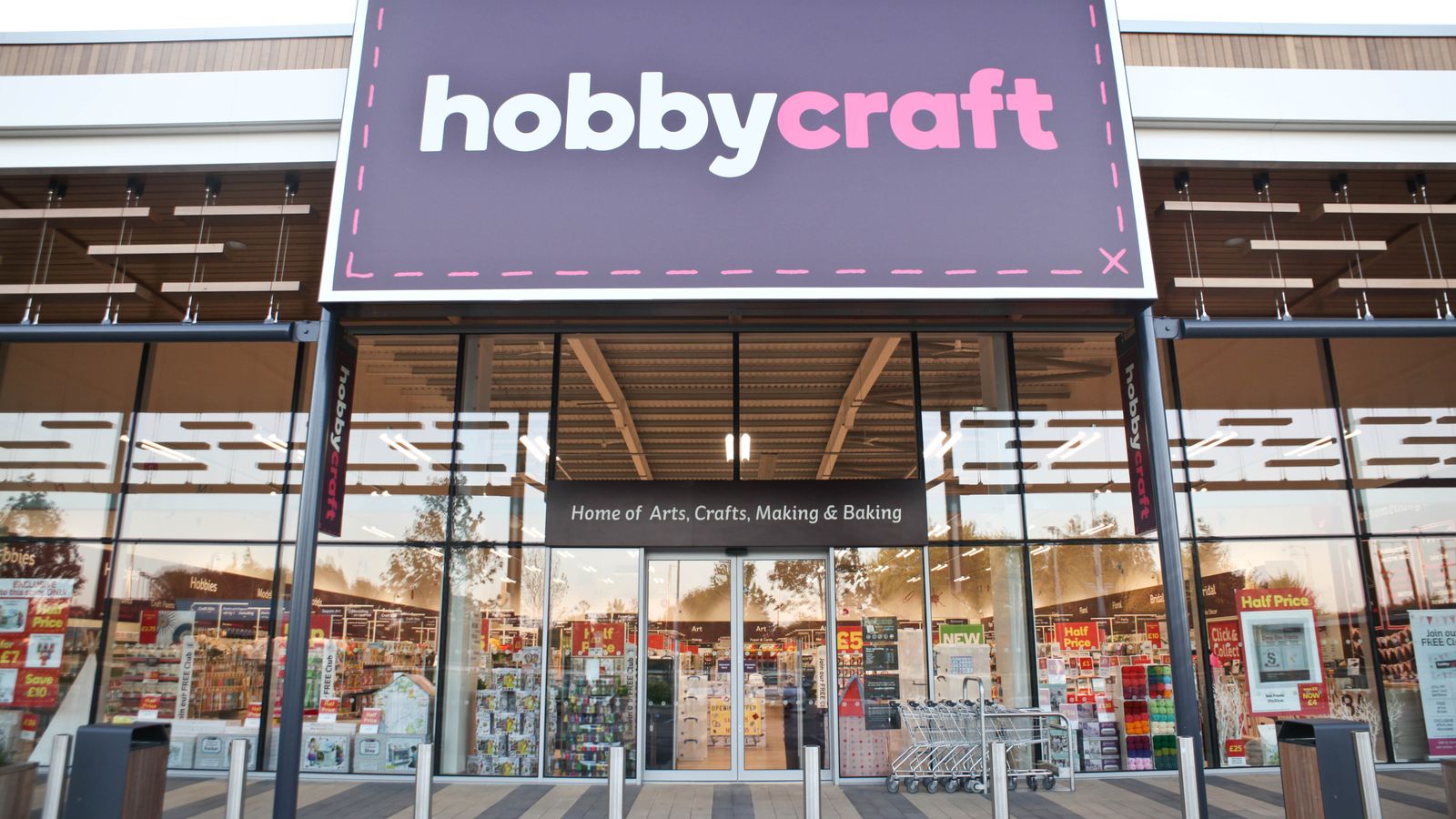
The British high street is bracing for another wave of uncertainty as Modella Capital, the private investment firm that recently acquired WH Smith’s retail operations, prepares to implement sweeping changes across its portfolio of struggling retailers. At the center of these plans is Hobbycraft, the beloved arts and crafts chain that has become a fixture on British high streets over the past three decades. According to sources familiar with the matter, nearly a quarter of Hobbycraft’s stores could disappear from shopping centers and retail parks across the country, marking yet another challenging chapter for physical retail in an increasingly digital age.
The Restructuring Plan Takes Shape
Modella Capital is reportedly preparing to launch a Company Voluntary Arrangement (CVA) for Hobbycraft as early as this Wednesday, a move that signals the serious financial challenges facing the retailer. The proposal, which has been developed behind closed doors in recent weeks, outlines a stark future for the chain. Under the current plans, nine Hobbycraft stores are slated for immediate closure, which would result in approximately 100 job losses. However, the situation remains fluid for an additional 18 stores, whose fate hangs in the balance pending crucial negotiations with landlords over rent reductions. These talks will determine whether these locations can continue operating under more financially sustainable terms or whether they too will join the list of closures. Meanwhile, 97 stores across the network are expected to remain unaffected by the restructuring, providing some relief for the 1,800 employees whose jobs at these locations appear secure for now.
The mathematics of the situation paint a concerning picture for those working in the affected stores. If negotiations with landlords break down and the 18 vulnerable stores cannot secure the rent cuts they need to remain viable, the redundancy figures could climb significantly. Based on Hobbycraft’s average staffing levels per location, an additional 150 jobs could be at risk if these stores are forced to close. The impact won’t be limited to shopfloor staff either – insiders have indicated that job losses are also anticipated at the company’s head office and distribution operations, suggesting a comprehensive overhaul of Hobbycraft’s business structure rather than just a simple trimming of underperforming locations.
A Pattern Emerges Across Modella’s Portfolio
The Hobbycraft restructuring isn’t happening in isolation. Shortly after implementing changes at the arts and crafts retailer, Modella Capital plans to pursue similar action at The Original Factory Shop (TOFS), a discount chain the investment firm acquired just two months ago. Industry observers are noting the timing with concern, as it suggests a systematic approach to reshaping Modella’s retail holdings. Sources within the industry have speculated that between 30 and 40 TOFS outlets could face closure, potentially resulting in hundreds more redundancies across the discount retailer’s workforce. This dual restructuring process has naturally led to questions about the future of WH Smith itself – the high street staple that Modella recently took control of and has announced plans to rebrand as TG Jones.
The question on many minds is whether WH Smith will face a similar fate to its sister companies under Modella’s ownership. The simultaneous restructuring of both Hobbycraft and TOFS suggests that Modella has identified a pattern of issues across its retail portfolio – likely involving unsustainable rent obligations, changing consumer behaviors, and the ongoing challenge of maintaining profitable physical stores in an era when online shopping continues to capture market share. While Modella has not announced specific plans for WH Smith’s store estate, the precedent being set at Hobbycraft and TOFS is causing understandable anxiety among employees and stakeholders.
The CVA Process and What It Means
Company Voluntary Arrangements have become an increasingly familiar tool in the British retail sector over recent years, particularly as traditional brick-and-mortar retailers have struggled to adapt to changing shopping habits and economic pressures. A CVA is essentially a legally binding agreement between a company and its creditors that allows the business to restructure its debts and obligations while continuing to trade. In the retail sector, CVAs are frequently deployed to achieve two primary objectives: closing unprofitable stores and securing rent reductions from landlords on remaining locations. For Hobbycraft, FRP, a well-known professional services firm with extensive experience in retail restructurings, is overseeing the CVA process. Meanwhile, Interpath Advisory is handling the equivalent proceedings for TOFS.
While CVAs can provide a lifeline for struggling retailers by giving them breathing room to reorganize their operations, they’re often controversial because they typically require creditors – including landlords, suppliers, and sometimes even employees – to accept less than they’re owed. Landlords, in particular, often find themselves facing a difficult choice: accept reduced rent payments and potentially losing stores altogether, or reject the CVA and risk the company entering administration, which could leave them with empty properties and no rent at all. For employees at the stores earmarked for closure, CVAs represent the end of their jobs, while those at surviving locations face an uncertain future, knowing their store only remains open because of negotiated concessions.
Modella’s Defense of Its Strategy
In response to the growing scrutiny of its plans, Modella Capital has issued a statement defending its approach to retail investment. The firm emphasized its commitment to physical retail at a time when the sector faces mounting challenges from multiple directions – not just online competition, but also rising costs, changing consumer preferences, and economic uncertainty. A spokesman for Modella stated that the company “understands that high streets provide a vital service to consumers, are an essential source of employment and are key to the future success of local economies.” This messaging attempts to position Modella not as an opportunistic investor looking to extract value and move on, but rather as a committed partner working to ensure the long-term viability of traditional retail.
The statement went further, arguing that “many retailers can thrive on the high street; particularly those with a distinctive offer and a loyal customer base.” This is clearly meant to describe businesses like Hobbycraft, which does indeed occupy a specific niche in the market and has cultivated customer loyalty over its nearly three decades of operation. Modella’s spokesman claimed the firm “has the skills and experience to restructure retailers that require it, in order to ensure they create profitable, ongoing businesses that will continue to serve communities and employ thousands of people across the UK.” This framing presents the store closures and job losses not as failures or cost-cutting exercises, but as necessary surgery to save the patient – preserving the majority of jobs and stores by making difficult decisions about unprofitable locations.
The Bigger Picture for British Retail
The Hobbycraft situation is emblematic of broader challenges facing British high street retail. Modella acquired Hobbycraft from Bridgepoint, a private equity firm, last summer, and has moved quickly to implement changes. The fact that such drastic action is being contemplated so soon after acquisition suggests that the chain’s financial difficulties were apparent during the purchase process – indeed, Modella specializes in acquiring troubled retailers, so presumably bought Hobbycraft with restructuring in mind. The company was founded in 1995 and grew to become the UK’s leading arts and crafts retailer, but like many specialty retailers, has faced increasing pressure from online alternatives and general merchandise retailers that have expanded their craft offerings.
The closure of any high street stores represents more than just lost jobs and reduced shopping options – it reflects a fundamental shift in how British consumers shop and how communities function. Every shuttered store leaves a gap in the physical landscape of towns and cities, contributing to a sense of decline that can become self-reinforcing as shoppers have fewer reasons to visit struggling high streets. Yet the reality is that many retail businesses are operating from too many locations, paying rents that were agreed during more optimistic times, and struggling to generate sufficient foot traffic and sales to justify their costs. Modella’s restructuring efforts, while painful for those directly affected, may represent the hard choices necessary to preserve a core network of viable stores rather than seeing entire chains collapse into administration. As the restructuring plans move forward this week, employees, landlords, suppliers, and communities across Britain will be watching closely to see whether Modella’s approach represents responsible stewardship of challenged retail brands or merely the latest chapter in the ongoing decline of the British high street.