


A Chef’s Guide to Eating Well on a Budget: Wisdom from Soho’s Nima Safaei
The Magic of Simple Italian Cooking
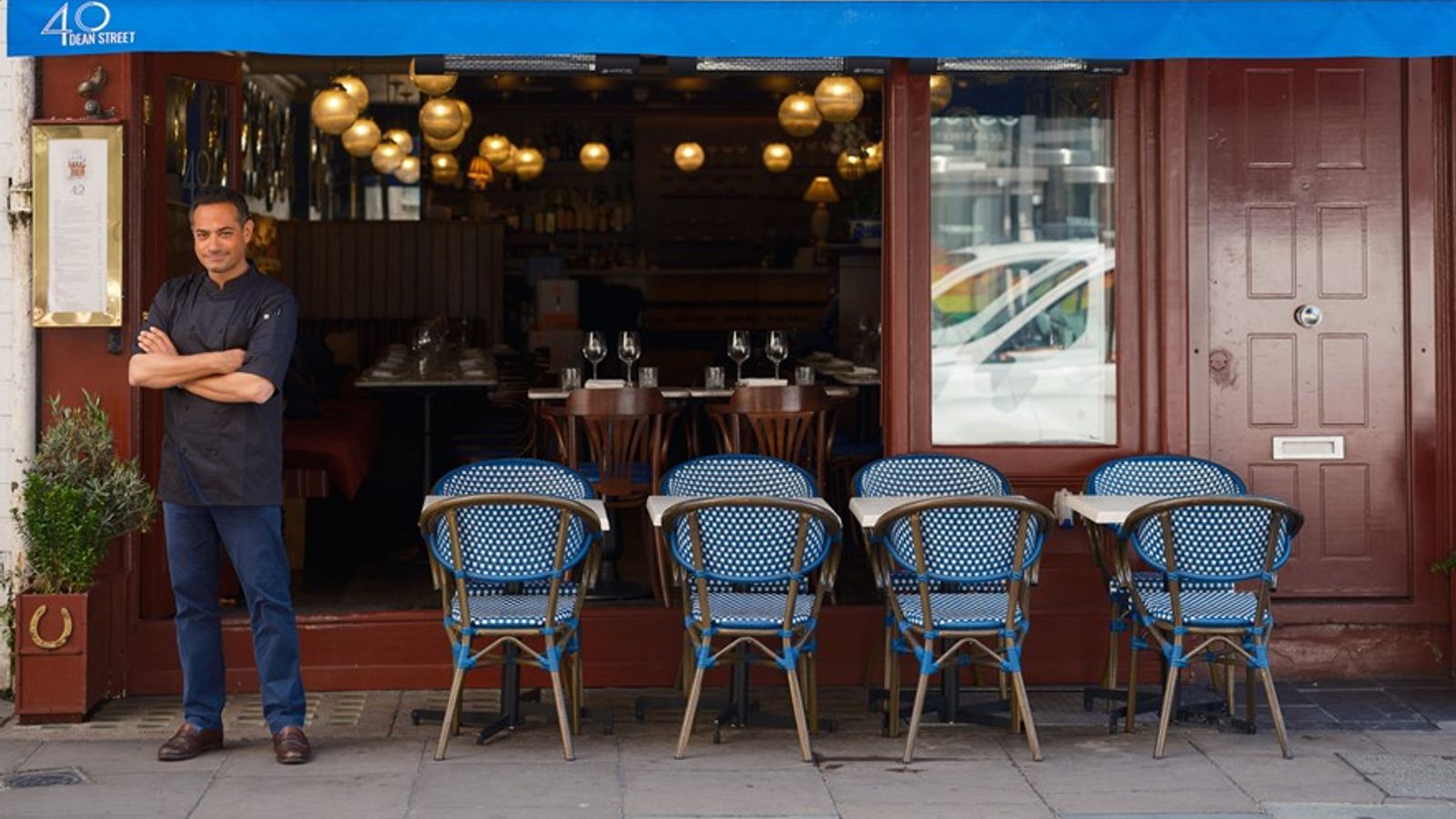
When it comes to creating extraordinary meals without emptying your wallet, Nima Safaei, the chef-owner of Soho’s prestigious 40 Dean Street, has learned that the best dishes often come from the humblest ingredients. In a refreshing conversation about affordable cooking, Safaei shares his passion for aglio e olio, a classic Italian pasta dish that exemplifies how simplicity can triumph over expense. This late-night favorite requires nothing more than spaghetti, garlic, chilli flakes, olive oil, fresh parsley, and salt—ingredients that most people already have sitting in their kitchen cupboards. The beauty of this dish lies not in exotic or costly components, but in the technique and love put into its preparation. Safaei emphasizes that this is his go-to meal after long shifts at the restaurant, when he craves something quick, satisfying, and bursting with flavor. The recipe is wonderfully straightforward: cook your pasta in salted water until it reaches that perfect al dente texture, gently sauté sliced garlic in olive oil until golden (being careful not to burn it), add a pinch of chilli flakes for warmth, then toss everything together with a splash of pasta water to create a silky, emulsified sauce that clings beautifully to each strand of spaghetti. A generous handful of fresh parsley and some grated parmesan—which Safaei insists is always worth the indulgence—complete this simple masterpiece that proves expensive ingredients aren’t necessary for culinary excellence.
Hidden Gems and Street Food Treasures
Beyond his own kitchen creations, Safaei has developed a deep appreciation for London’s vibrant food scene, particularly when it comes to finding exceptional quality at reasonable prices. His favorite budget-friendly spot is Tongue & Brisket on Wardour Street, a no-nonsense establishment that serves what he describes as “decadence personified” in the form of their salt beef sandwiches. The classic salt beef on rye, accompanied by sharp mustard and tangy pickles, represents everything Safaei values in affordable dining: bold flavors, generous portions, quality ingredients, and honest preparation. The combination of juicy, rich salt beef balanced perfectly with the acidity of pickles and the heat of mustard creates a symphony of tastes that satisfies both the palate and the wallet. This kind of establishment reminds us that great food doesn’t always come with white tablecloths and hefty price tags. Sometimes the best meals are found in unpretentious spots where the focus remains squarely on flavor and tradition rather than fancy presentations or inflated costs. For busy professionals or anyone looking for a quick, filling, and genuinely delicious meal, these hidden gems offer incredible value and consistently deliver satisfaction that rivals much more expensive dining experiences.
Italian Excellence and Regional Specialties
When asked to name the best city in the world for food, Safaei doesn’t hesitate to point to Italy—though he admits it’s impossible to choose just one Italian city because each region offers its own unique culinary treasures. Rome captivates with its divine carbonara, prepared with the time-honored technique that creates creamy, silky perfection without using cream. Naples stands unrivaled for pizza, where centuries of tradition have perfected the art of dough-making and the balance of simple toppings. Bologna delivers hearty, soul-warming ragu that has been simmered to rich perfection, while Sicily’s coastal location provides access to the freshest seafood prepared with Mediterranean flair. What makes Italian cuisine so exceptional, according to Safaei, isn’t complicated techniques or rare ingredients—it’s the unwavering commitment to quality and the respect for regional traditions. Even the simplest Italian meals feel special because they’re built on a foundation of excellent ingredients treated with care and knowledge passed down through generations. This philosophy aligns perfectly with Safaei’s approach to affordable cooking: you don’t need to spend a fortune if you start with good ingredients and treat them properly. The Italian model proves that food culture doesn’t have to be elitist or expensive; it can be democratic, accessible, and still absolutely extraordinary.
The Foundation of Flavor: Quality Olive Oil
Among all the budget-friendly tips Safaei shares, one ingredient stands above the rest in terms of importance: quality extra virgin olive oil. While he advocates for smart spending and finding value, this is one area where he firmly believes you should never compromise. A good extra virgin olive oil has the transformative power to elevate even the most basic ingredients into something memorable and delicious. Drizzled over fresh tomatoes, it brings out their sweetness and adds a peppery complexity. Used as a finishing touch on pasta, vegetables, or grilled meats, it provides richness and depth that cheap oils simply cannot match. Even something as simple as dunking good bread into quality olive oil becomes a small moment of culinary pleasure. The difference in taste is immediate and undeniable—quality olive oil carries the flavors of the olives themselves, along with notes of grass, herbs, and sometimes a pleasant bitterness that rounds out dishes beautifully. While premium olive oil might seem like a splurge initially, it actually represents excellent value because a little goes a long way, and its impact on your cooking is profound. This is an investment in flavor that pays dividends in every dish you prepare, turning ordinary meals into something special without requiring any other expensive additions.
Smart Choices: From Chicken to Chain Restaurants
Safaei’s practical wisdom extends to ingredient selection and even his occasional indulgences at chain restaurants. When it comes to poultry, he strongly advocates choosing chicken thighs over the more popular but blander chicken breast. Thighs are not only significantly cheaper, but they’re also juicier, more flavorful, and far more forgiving during cooking—meaning they’re less likely to dry out if you accidentally cook them a minute too long. A simple preparation of chicken thighs roasted with just salt, pepper, and garlic cloves will deliver more satisfaction than a fancier preparation using more expensive cuts. This kind of knowledge—understanding which cuts offer better value and flavor—is invaluable for anyone trying to eat well on a budget. Even a successful chef isn’t above enjoying chain restaurants, and Safaei openly shares his love for Honest Burger, which he calls his “guilty pleasure.” Located conveniently near his own restaurants, Honest Burger satisfies his burger cravings with juicy patties and their legendary rosemary salted chips. What he appreciates most is the consistency—knowing that the quality and flavor will be the same every time. This demonstrates an important principle: there’s no shame in enjoying accessible, affordable food, even for professional chefs. Good food exists at every price point, and pretension has no place in genuine food appreciation.
Running a Restaurant and Reducing Waste
As both a chef and a restaurant owner, Safaei understands the economic pressures facing the hospitality industry and has implemented several strategies to control costs without compromising quality. His restaurant has streamlined its wine list in response to increased alcohol duty, focusing on selections that offer the best value and appeal to customers. They carefully monitor the cost per item on the menu and adjust staff rotas based on booking patterns to avoid overstaffing while ensuring excellent service. These behind-the-scenes decisions reflect the same philosophy that guides his approach to home cooking: be smart, be efficient, and focus resources where they matter most. One of his most brilliant tips for home cooks addresses the common problem of stale bread—instead of throwing it away, transform it into pangrattato, an Italian breadcrumb topping that adds incredible texture and flavor to pasta dishes. Simply blitz the stale bread in a food processor, then fry the crumbs with garlic and olive oil until golden and crispy. The result is a crunchy, flavorful topping that can be used like parmesan cheese, adding a delicious textural element to your dishes. This approach represents zero waste and huge flavor, turning something that would have been discarded into a valuable ingredient. It’s this kind of resourcefulness—born from professional kitchen efficiency but entirely applicable to home cooking—that makes Safaei’s advice so valuable for anyone looking to eat better while spending less.