


Thames Water Rescue Deal: A Lifeline for Britain’s Largest Water Utility
The Race Against Time for a Financial Solution
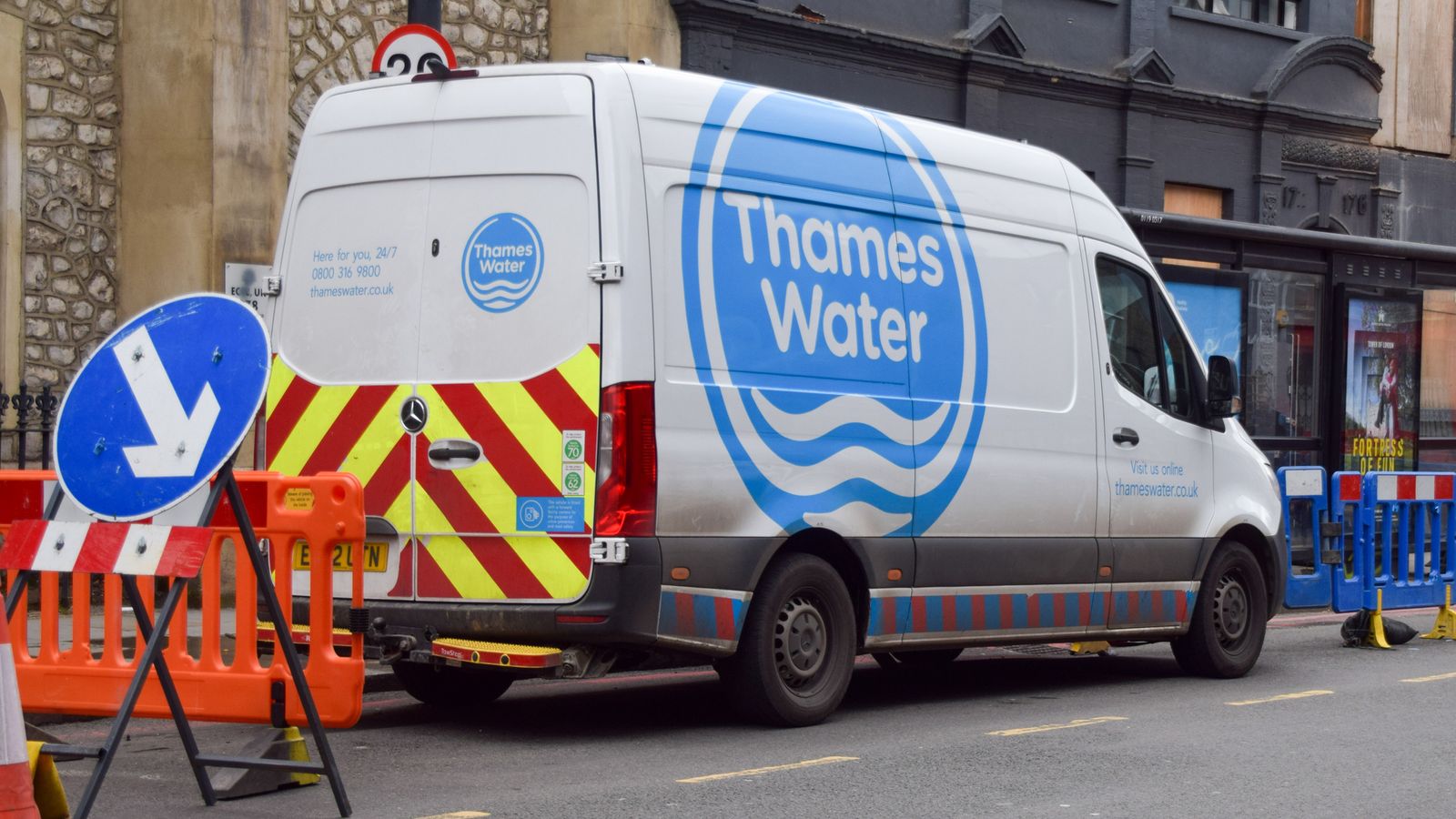
Thames Water, the behemoth utility company serving 16 million customers across London and the Thames Valley, is inching closer to securing a crucial financial rescue package that could save it from falling into temporary public ownership. The situation has reached a critical juncture, with creditors holding £13 billion of the company’s staggering £20 billion debt pile working frantically to hammer out an in-principle agreement with both Ofwat, the water industry regulator, and Thames Water itself by mid-February. This proposed deal represents far more than just a financial restructuring—it’s a potential turning point for Britain’s troubled water industry and a test case for how the country handles crises in privatized utilities. The government is watching nervously from the sidelines, keen to avoid adding Thames Water’s mountain of debt to the national balance sheet at a time when public finances are already stretched thin. For Thames Water’s millions of customers, who have endured years of poor service, sewage spills, and leaks while the company struggled under its debt burden, this rescue package could mark the beginning of much-needed improvements to aging infrastructure and service standards.
The Financial Terms: Who Pays and How Much
The numbers involved in this rescue operation are eye-watering and reflect the scale of Thames Water’s financial troubles. Under the current terms being discussed, lenders holding Class A debt would accept a “haircut”—industry jargon for writing off a portion of what they’re owed—of up to 30%, an increase from the 25% figure that was publicly disclosed back in October. In total, more than £13 billion of existing value is expected to simply disappear as part of the deal, written off by participating investors who include major financial players like Assured Guaranty, Invesco, Elliott Management, Silver Point Capital, and Farallon Capital Management. These aren’t charitable organizations—they’re sophisticated financial institutions that have calculated this painful haircut is preferable to the alternative of Thames Water collapsing entirely, which would likely leave them with even less. In return for swallowing these massive losses, the creditors would receive a minimum 10% stake in the recapitalized company, giving them a chance to eventually recoup some of their losses if Thames Water can be turned around successfully. Additionally, a planned new equity injection of £3.15 billion is likely to be increased as negotiations continue, providing fresh capital to stabilize the company and fund desperately needed improvements.
The Emergency Funding and Strings Attached
Last year, Thames Water’s creditors made a commitment to provide £3 billion in emergency funding to keep the company afloat—a lifeline without which the utility would have faced immediate crisis. Half of that emergency funding has already been drawn down by Thames Water to cover its operational needs and service its debts, but accessing the remaining £1.5 billion is contingent on securing this in-principle agreement with regulators and finalizing the restructuring terms. This second tranche of funding is designed to carry Thames Water through to the completion of the entire restructuring process, providing the runway needed for the company to stabilize its operations and begin implementing the turnaround plan. However, the creditor consortium isn’t writing this blank check without significant conditions attached. The would-be new owners have committed not to sell the company before 2030, providing stability and a long-term perspective that has been sorely lacking in the water industry, where some previous owners have been criticized for short-term financial engineering at the expense of infrastructure investment. They’ve also pledged not to take any dividends during Thames Water’s Turnaround Oversight Regime or until the company goes public through an expected stock market listing sometime after 2030. Perhaps most importantly for the millions of customers affected, the consortium has guaranteed that customer bills won’t rise beyond the increases already agreed with Ofwat, addressing public concerns about consumers being forced to pay for the company’s financial mismanagement.
The Regulatory Hurdles and Political Sensitivities
While an announcement about an outline deal could potentially come as soon as the week after next, regulatory sources are urging caution, warning that significant “gaps” still exist between what the creditors are proposing and what the various regulatory bodies are willing to accept. These disagreements span both financial terms and other operational and governance conditions that regulators want to impose to ensure Thames Water genuinely transforms rather than simply papering over its problems with financial restructuring. The deal requires approval from multiple regulatory bodies—Ofwat, the Environment Agency, and the Drinking Water Inspectorate—each with their own concerns and requirements. Beyond the regulators, Emma Reynolds, the environment secretary, must also sign off on the agreement, and because the deal involves modifications to Thames Water’s operating license, it will be subject to public consultation, adding another layer of complexity and potential delay. The courts must also sanction the restructuring, and Downing Street itself is expected to review the terms in the coming weeks. One particular area likely to attract scrutiny is the agreement on Thames Water’s future regulatory penalties, though the London & Valley Water consortium has pledged that outstanding fines will be paid in full. This multi-layered approval process reflects both the complexity of the deal—described as potentially one of the most intricate corporate restructurings ever attempted in Britain—and the political sensitivity surrounding the future of such a critical public service.
Infrastructure Investment and Operational Turnaround
At the heart of this rescue package is an ambitious plan to address Thames Water’s appalling operational record, particularly regarding waste and sewage pollution that has made headlines and angered customers for years. Under its business plan, the London & Valley Water consortium is proposing to spend £20.5 billion on infrastructure and service improvements over the next five years—a massive investment program aimed at dragging the company’s aging and inadequate infrastructure into the 21st century. This figure represents a reduction from a previous blueprint that proposed £24.5 billion in spending during the next five-year regulatory period, which Ofwat rejected as unrealistic or insufficiently justified. The investment is desperately needed: Thames Water has become synonymous with sewage spills into rivers, massive water leaks from deteriorating pipes, and inadequate treatment facilities that struggle to handle the demands placed on them. Mike McTighe, a veteran corporate troubleshooter who chairs BT Group’s Openreach division and has been brought in as the potential chairman of the restructured company, acknowledged the scale of the challenge in October, stating: “There is a huge amount of work to be done to turn around Thames Water and deliver the improved service and environmental outcomes that customers and local communities deserve.” His appointment signals the seriousness with which the creditor group is approaching the operational transformation, recognizing that financial restructuring alone won’t solve Thames Water’s problems if the underlying business doesn’t fundamentally improve.
The Broader Context and Future of UK Water
The Thames Water crisis is unfolding against a backdrop of broader turmoil in Britain’s privatized water industry, which has faced growing criticism for prioritizing shareholder returns and executive compensation over infrastructure investment and environmental protection. This month, the government published a white paper confirming plans to abolish Ofwat and establish a new regulator with an “MOT-style” approach to supervising water infrastructure—essentially regular mandatory inspections similar to those required for vehicles. The document also outlined plans for a new regime to enable struggling water companies to be turned around before they reach crisis point, suggesting Thames Water’s near-death experience has prompted broader regulatory reform. The sector’s problems have been further highlighted by the scandal at South East Water, Thames Water’s neighbor, where the chief executive is facing calls to resign over outages that have left thousands of Kent households without reliable water supply. Thames Water’s previous shareholders, including the Universities Superannuation Scheme and an Abu Dhabi sovereign wealth fund, have already written off their investments entirely, recognizing them as worthless. Last August, the government signed off on appointing FTI Consulting to undertake contingency planning for a special administration regime—a form of temporary public ownership that has only been tested once before, with the collapse of energy supplier Bulb—though that planning has been on hold as the creditor negotiations continue. Other potential buyers, including private equity giant KKR and Hong Kong-based CK Infrastructure, have either pulled out or failed to gain traction in the process. If successfully completed, this rescue deal could provide a template for handling future crises in privatized utilities, though many observers believe the fundamental model of water privatization itself needs rethinking to prevent similar crises in the future.