

TV Chef Mitch Tonks Shares His Seafood Secrets and Budget-Friendly Kitchen Wisdom
The Art of Tinned Seafood: A Chef’s Budget-Friendly Secret
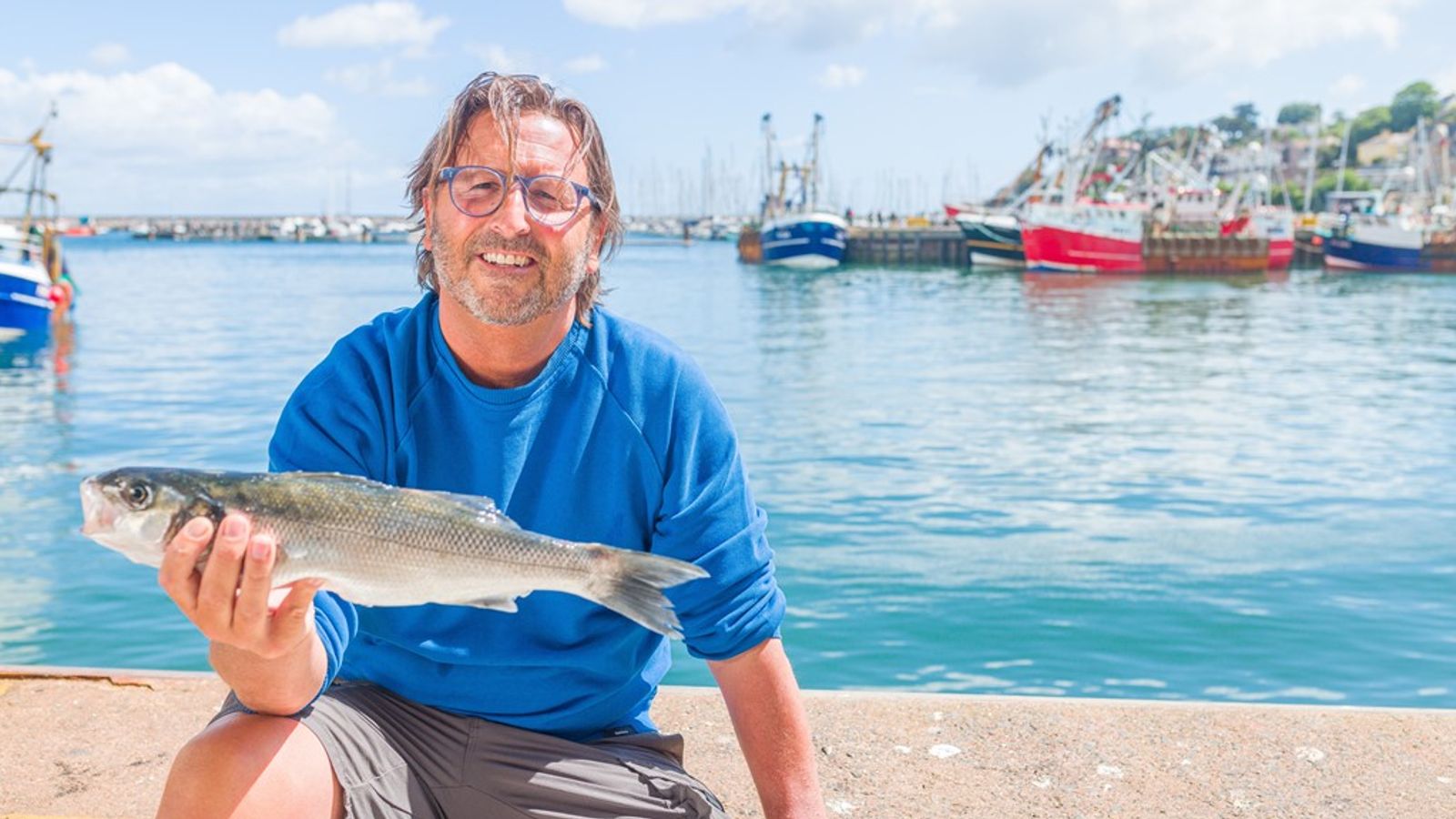
Mitch Tonks, the renowned television chef and founder of the Rockfish restaurant chain, has built a 25-year career celebrating Britain’s seafood heritage. In a recent interview with Metro’s Money team, he shared insights that challenge the perception that quality seafood dining must be expensive. Tonks has a particular passion for tinned seafood, describing it as “like a time capsule” containing “perfectly preserved fish that are bursting with flavour.” This isn’t just chef’s talk – he genuinely believes that tinned fish offers home cooks an accessible gateway to delicious, nutritious meals without breaking the bank.
His enthusiasm for affordable seafood cookery shines through in two simple yet impressive recipes he shares. The first is a straightforward tinned sardines with tomatoes and tagliatelle – a dish that requires minimal ingredients, comes together quickly, and delivers maximum flavor. The second is more adventurous: a tinned mackerel shawarma that transforms humble canned fish into something special. The recipe involves shredding cabbage, red onion, and green chilli, mixing garlic into yoghurt, then assembling everything in a flour tortilla spread with hummus. The mackerel is topped with zaatar or cumin and a squeeze of lemon before being wrapped up. These recipes demonstrate Tonks’ philosophy that great food doesn’t require complexity or expensive ingredients – just quality products treated with respect and a bit of culinary know-how.
Finding Inspiration in Spain and Portugal’s Seafood Culture
When asked about the best seafood destinations in the world, Tonks doesn’t hesitate: northern Spain holds a special place in his heart. The region’s approach to seafood has profoundly influenced his restaurant philosophy and design aesthetic. He’s particularly drawn to the culture of Sidrerias – traditional cider bars where the focus is on simple, high-quality ingredients served in convivial settings. This Spanish influence is so strong that it’s shaped the interior design of Rockfish’s two newest locations in Salcombe and Lyme Regis, bringing a touch of northern Spain’s relaxed, authentic dining atmosphere to the British coast.
Porto, Portugal, represents another source of inspiration for the chef. What captivates him there is the straightforward approach to seafood preparation – the outdoor grills where fresh catches receive minimal treatment, simply cooked over charcoal and served alongside seasonal vegetables with cold beer. This stripped-back philosophy aligns perfectly with Tonks’ own cooking ethos: let quality ingredients speak for themselves rather than overwhelming them with unnecessary complexity. These European experiences have taught him that the best seafood dining isn’t about elaborate preparations or fancy presentations, but rather about sourcing excellent fish and treating it with simplicity and respect. It’s a lesson he’s brought back to Britain, where he champions local catches prepared in ways that highlight their natural flavors rather than masking them.
The Brexit Impact on British Fishing and Seafood
As someone who has dedicated his career to British seafood, Tonks doesn’t mince words when discussing Brexit’s impact on the fishing industry. His assessment is blunt: Brexit “has done nothing good for UK fishing.” British fishermen have lost access to crucial 12-mile limits, while French fishing fleets continue to operate in UK waters under extended historical rights. The bureaucratic burden has intensified, with exporting to Europe becoming both more expensive and entangled in red tape. For an industry already facing challenges, these additional obstacles have created significant hardship.
However, Tonks identifies what he considers the fundamental problem underlying Britain’s fishing industry struggles: “We don’t eat our own fish.” This cultural disconnect means that British fishermen remain dependent on European markets to buy their catches, leaving them perpetually disadvantaged in negotiations and vulnerable to market fluctuations. The solution, as Tonks sees it, is straightforward but requires a significant cultural shift: British consumers need to start eating more domestically caught seafood, particularly the primary species landed in UK ports. This would create a robust domestic market, reducing reliance on exports and supporting local fishing communities while giving British consumers access to incredibly fresh, sustainable seafood. It’s a situation where everyone could win – fishermen, consumers, and the broader economy – if only eating habits would change to embrace the abundance of quality fish available in British waters.
Celebrating Underappreciated British Seafood
Tonks is particularly passionate about sardines, calling them an underrated and affordable fish that deserves far more attention. He celebrates their versatility – whether pickled, grilled, served on toast, or preserved in oils. His enthusiasm for sardines is so genuine that Rockfish has begun tinning them, which he describes as “a real art form.” The combination of incredible flavor, versatility, and affordability makes sardines a perfect example of how British consumers are overlooking accessible, delicious seafood options.
Beyond sardines, Tonks finds it fascinating how many incredible local species remain underappreciated by British diners. As an island nation, he argues, Britain should be celebrating its seafood heritage far more enthusiastically. Fish like red mullet, gurnard, and cuttlefish – all caught in British waters – rarely receive the attention they deserve despite being incredibly delicious and versatile. His advice for cooking these underappreciated species? Keep it simple. Don’t overpower the fish with heavy sauces or complex preparations – let the quality of the fish itself shine through. For consumers buying seafood, whether at fishmongers or restaurants, Tonks offers important guidance: always ask where it comes from and ensure it’s sustainably caught. Being curious about what’s on your plate, he insists, makes all the difference both for flavor and for the future health of our oceans.
Strong Opinions on Restaurant Trends and Political Priorities
After decades in the restaurant business, Tonks has developed strong opinions about current culinary trends that he’d like to see disappear. He’s had enough of food being served on square plates, dishes covered in foam, and excessively long tasting menus. These criticisms reflect his broader philosophy that restaurants should focus on quality ingredients prepared simply rather than gimmicks and pretension. Great food, in his view, doesn’t need elaborate presentation or molecular gastronomy tricks – it needs respect for ingredients and proper cooking technique.
If given the power of prime minister for a day, Tonks would prioritize measures to support the restaurant and hospitality industry. His first move would be lowering VAT to give businesses “more oxygen” to operate. He’d reverse seasonal national insurance changes and scrap the introduction of the new employers’ bill, which he views as adding unnecessary burden and complexity to business operations. His argument is economically straightforward: give businesses a level playing field, and the result will be more investment, higher profits, and ultimately increased tax revenues for the government. These aren’t just abstract political positions for Tonks – as someone running a restaurant chain, he experiences firsthand how regulatory and tax burdens affect the ability to operate profitably while maintaining quality and employing staff fairly.
A Chef’s Personal Favorites and Everyday Choices
Despite his professional expertise and access to premium ingredients, Tonks readily admits that some shop-bought items simply cannot be beaten by home cooking. His example? Kewpie mayonnaise, the Japanese condiment known for its rich, umami flavor and distinctive squeeze bottle. This admission is refreshingly honest and shows that even accomplished chefs recognize when commercial products achieve something special that’s difficult to replicate at home. It’s a reminder that cooking well doesn’t mean making everything from scratch – it means knowing when to use quality convenience products strategically.
When Tonks wants an affordable meal out, he heads to Goto Japanese in Exeter, where he can enjoy four or five pieces of sushi or a bowl of seafood ramen plus tea for under £15. What appeals to him about this spot is the “fresh umami hit” and the sense of getting “something of great quality” even at such an accessible price point. This choice is telling – even when dining casually and affordably, Tonks gravitates toward seafood and values quality over quantity. It demonstrates that his professional passion for excellent seafood isn’t just for fine dining contexts but extends to his everyday eating habits. The fact that a successful restaurateur and chef chooses to spend his own money at a reasonably priced Japanese restaurant speaks volumes about the quality of food available at moderate prices when restaurants focus on doing simple things exceptionally well – exactly the philosophy he brings to his own Rockfish restaurants.