

Diplomatic Crisis: U.S. Ambassador Skips French Government Meeting Amid Political Tensions
Ambassador’s No-Show Sparks International Incident
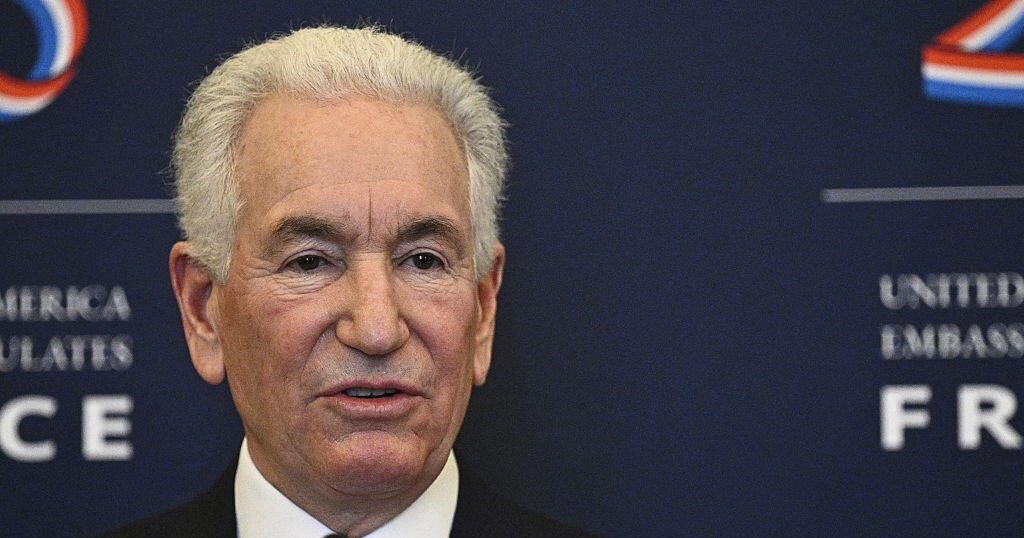
A significant diplomatic spat has erupted between France and the United States after Charles Kushner, the U.S. Ambassador to France, failed to attend a scheduled meeting with French Foreign Minister Jean-Noel Barrot. The 71-year-old multimillionaire real estate developer, who is also the father of Jared Kushner (President Trump’s son-in-law), was formally summoned to explain controversial statements made by the U.S. embassy in Paris. The controversy centers around social media posts from the American embassy that criticized what it called “terrorism” and left-wing violence in France following the tragic death of Quentin Deranque, a 23-year-old far-right activist who died from head injuries during violent clashes between radical-left and far-right groups in Lyon. These clashes occurred during protests against a politician from the hard-left France Unbowed party, highlighting the deep political divisions currently affecting French society.
Pattern of Diplomatic Tensions and Missed Meetings
This incident marks the second time Kushner has been called to the French Foreign Ministry and subsequently failed to appear personally. The first summons came after Kushner publicly criticized French President Emmanuel Macron for what he perceived as inadequate responses to antisemitism in France. Rather than attending these important diplomatic meetings himself, Kushner has developed a pattern of sending subordinate embassy officials in his place, a practice that violates fundamental diplomatic protocols and customs. Foreign Minister Barrot expressed genuine shock at this breach of diplomatic etiquette, telling French broadcaster France Info that Kushner’s absence was “a surprise” and emphasizing that such behavior “will naturally affect his ability to carry out his mission in our country.” The French government’s frustration reached such a level that on Monday, France took the unprecedented step of blocking Kushner from having access to government ministers, effectively limiting his ability to function as an ambassador.
France’s Strong Response to Perceived Interference
Foreign Minister Barrot didn’t mince words when discussing the severity of Kushner’s diplomatic misstep, stating that he wanted a clear explanation for the ambassador’s failure to respect “the most basic customs of diplomacy.” His comments reflected a broader French concern about foreign interference in domestic politics. “I believe all French people share the same feeling,” Barrot said emphatically. “We do not accept that foreign countries can come and interfere in, then insert themselves into, our national political debate, whatever the circumstances.” This statement underscores France’s determination to maintain its sovereignty and protect its internal political processes from external influence, particularly when it comes to sensitive issues involving political violence and extremism. The French government also indicated its intention to raise additional concerns with American officials, including U.S. sanctions against several European figures, most notably former European Commissioner Thierry Breton, suggesting that this diplomatic friction extends beyond just Kushner’s personal conduct.
Kushner’s Controversial Background and Appointment
Charles Kushner’s appointment as ambassador to France was controversial from the start, given his background and lack of traditional diplomatic experience. Unlike career diplomats who spend decades building expertise in international relations, Kushner is a businessman with a complicated past. In 2004, he pleaded guilty to an extensive list of serious crimes, including 18 counts of tax evasion, witness tampering, and illegal campaign contributions, which resulted in a prison sentence. However, President Trump pardoned him in 2020, clearing the way for his eventual appointment to this prestigious diplomatic post. President Trump himself defended this nepotistic choice in December 2024, telling the French magazine Paris Match: “It’s a great thing because he’s in our family. Essentially a family member of mine is coming to France; I am not sure it’s happening anywhere else.” This appointment fits a broader pattern in Trump’s administration of selecting individuals based on personal loyalty and family connections rather than professional qualifications or diplomatic experience. Even among American diplomatic circles, Kushner’s behavior has raised serious concerns and eyebrows.
Professional Diplomats Express Concern
The diplomatic community’s reaction to Kushner’s conduct has been swift and critical, even from within American ranks. Charles Shapiro, a former U.S. ambassador to Venezuela with extensive diplomatic experience, took to social media platform X to explain fundamental diplomatic protocols that Kushner appears to have violated. “One of the basic rules is that when you are summoned by the host country’s foreign minister, you show up. On time,” Shapiro wrote bluntly. “It’s not optional.” This public rebuke from a fellow American diplomat illustrates just how seriously Kushner’s behavior has deviated from accepted international norms. According to diplomatic sources who spoke with the AFP news agency, Kushner cited “personal commitments” as his reason for missing the crucial meeting, sending a senior embassy official in his place instead. This explanation has been widely viewed as insufficient and disrespectful, particularly given the gravity of the issues at stake and the formal nature of a foreign minister’s summons.
Future Implications for Franco-American Relations
Despite the serious nature of this diplomatic incident, French officials have attempted to maintain perspective on its broader implications for the historically important Franco-American relationship. Foreign Minister Barrot specifically stated that this incident wouldn’t fundamentally damage relations between the two nations, though he stopped short of ruling out declaring Kushner “persona non grata,” a formal diplomatic action that would effectively expel him from France. Yael Braun-Pivet, president of France’s National Assembly lower house, echoed this balanced approach in comments to broadcaster RTL, saying, “We need to talk to each other and say what we think, but at the same time we mustn’t let ourselves be pushed around.” This statement captures France’s delicate position: maintaining the crucial transatlantic alliance while asserting its dignity and sovereignty in the face of what it perceives as disrespectful treatment. As this diplomatic drama continues to unfold, it raises important questions about the future of international relations in an era where traditional diplomatic norms and protocols appear increasingly under threat, and whether family connections should outweigh professional qualifications when appointing representatives to sensitive foreign posts.