


Thwarted Terror Attack in Paris: Quick Police Action Prevents Bombing at Bank of America
Dramatic Early Morning Arrest Near the Champs-Élysées
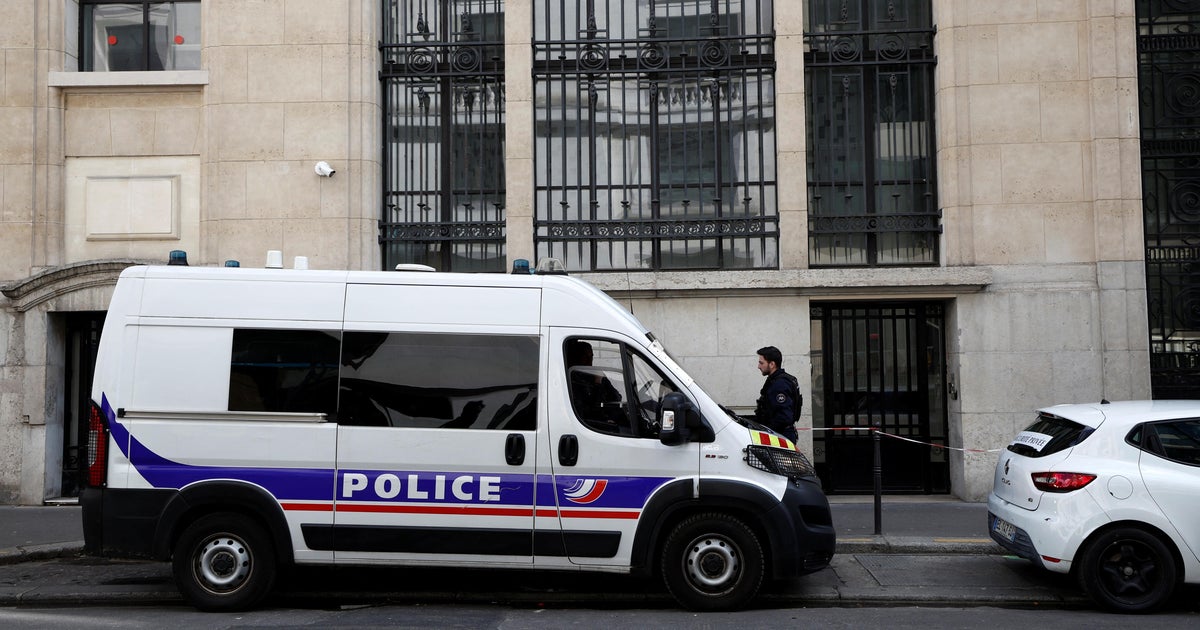
In the pre-dawn hours of a Saturday morning in Paris, French law enforcement officials prevented what could have been a devastating terrorist attack on a prominent financial institution. At approximately 3:30 a.m., police officers intercepted a suspect who was in the process of attempting to detonate a homemade explosive device outside a Bank of America building located in the city’s prestigious 8th arrondissement. This upscale district, known for its elegant Haussmann-style architecture and proximity to the iconic Champs-Élysées avenue, became the scene of intense police activity as officers moved swiftly to neutralize the threat. The timing of the incident worked in favor of preventing casualties, as the office was closed at that early hour, and no bank employees were present in the building. The suspect was apprehended at the critical moment, just as he was positioning the explosive device, allowing authorities to prevent what French Interior Minister Laurent Nunez later described as “a violent action of a terrorist nature.” The incident serves as a stark reminder that even in one of the world’s most visited cities, security threats remain an ongoing concern for law enforcement agencies.
The Explosive Device: A Dangerous Homemade Weapon
The improvised explosive device that police discovered represented a serious threat to both the building and surrounding area. According to initial assessments conducted by investigators at the scene, the device was constructed using readily available materials that, when combined, could have caused significant destruction. The bomb consisted of approximately nine pints of a liquid substance believed to be fuel, which would have served as an accelerant to intensify any explosion or fire. Additionally, the device contained roughly 23 ounces of explosive powder, providing the necessary combustible material to create a blast. Perhaps most concerning was the inclusion of a functional ignition system, indicating that the suspect had progressed beyond merely assembling components and had created a device that was ready to be detonated. This level of preparation suggests premeditation and planning, rather than an impulsive act. Following its seizure, authorities transported the device to the Paris police’s specialized forensics laboratory, where experts will conduct a comprehensive analysis to determine the exact composition of the materials used, the device’s potential destructive capacity, and possibly trace the origin of its components. This forensic examination will prove crucial in building a case against the suspect and potentially uncovering whether he had assistance or connections to larger terrorist networks.
Corporate Response and Employee Safety
Bank of America, one of the largest financial institutions in the United States with significant international operations, responded professionally to the incident while emphasizing that employee safety remained their primary concern. Jessica Oppenheim, the bank’s head of global media relations, issued a statement confirming that the company was “aware of the situation” and maintaining active communication with French authorities as the investigation unfolded. The bank took care to reassure stakeholders that because the attempted attack occurred during the early morning hours when the office was closed, no employees were present in the building at the time, and consequently, no staff members were injured during the incident. This fortunate timing prevented what could have been a tragedy involving bank personnel who work in the building during regular business hours. Financial institutions like Bank of America have increasingly become targets for various forms of attacks, whether motivated by political ideology, anti-capitalist sentiment, or other extremist beliefs that view banks as symbols of Western economic power. The Paris office, situated in one of the city’s most prominent business districts, represents a visible symbol of American financial presence in France. In the aftermath of such incidents, corporations typically review and often enhance their security protocols, working closely with local law enforcement to assess vulnerabilities and implement additional protective measures to safeguard their employees and facilities.
Investigation and Legal Proceedings
The severity of the attempted attack immediately triggered the involvement of France’s specialized counter-terrorism legal apparatus. French anti-terror prosecutors took charge of the case, signaling that authorities are treating this incident as a serious terrorist threat rather than a simple criminal matter. According to reports from Agence France-Presse, the prosecutor’s office announced that investigators would be pursuing charges related to “attempted damage by fire or other dangerous means in connection with a terrorist undertaking,” as well as charges related to participation in a “terrorist criminal conspiracy.” These legal designations carry significant weight under French law and could result in substantial prison sentences if the suspect is ultimately convicted. The investigation itself involves multiple agencies working in coordination, including the Paris police department and France’s domestic intelligence service, demonstrating the multi-layered approach French authorities take when responding to potential terrorist threats. Investigators will be working to answer several critical questions: Was the suspect acting alone, or was he part of a larger network? What motivated the attack—was it linked to any known terrorist organization or ideology? How did the suspect acquire the materials needed to construct the explosive device? Had the suspect been on any watch lists or previously known to authorities? These questions will shape the direction of the investigation and help authorities determine whether additional arrests might be necessary or if other potential targets need enhanced security.
Recognition of Law Enforcement’s Rapid Response
The successful prevention of this attack drew immediate praise from high-ranking government officials who recognized the exemplary work of the police officers involved. French Interior Minister Laurent Nunez took to social media platform X (formerly known as Twitter) to publicly commend the police for their swift and decisive action. His statement highlighted how officers managed to stop what he characterized as “a violent action of a terrorist nature” before any damage could occur or lives could be lost. The minister’s public acknowledgment serves multiple purposes: it recognizes the courage and professionalism of law enforcement personnel who put themselves in harm’s way, it reassures the public that security services remain vigilant and effective, and it sends a message to potential perpetrators that French authorities are prepared and capable of thwarting such attacks. The officers’ ability to intervene at precisely the right moment—after the suspect had revealed his intentions by placing the device but before he could trigger the ignition system—demonstrates both good intelligence work and effective tactical execution. This success story stands in contrast to other incidents in recent years where attacks were not prevented in time, resulting in casualties and widespread trauma. The professionalism displayed by French security forces in this case reflects years of experience dealing with terrorist threats and the enhanced security posture that France has maintained since suffering several major terrorist attacks in the past decade.
Broader Context and Ongoing Security Concerns
This attempted bombing in Paris fits within a larger pattern of security challenges that France and other Western European nations continue to face. Over the past decade, France has experienced numerous terrorist attacks, ranging from large-scale coordinated assaults to lone-wolf incidents, motivated by various extremist ideologies. The targeting of a major American financial institution on French soil highlights the complex nature of modern terrorism, where international symbols may be attacked to make ideological statements or to generate maximum publicity. Financial district buildings, diplomatic facilities, transportation hubs, and cultural landmarks remain high-priority potential targets for those seeking to cause disruption or spread fear. French authorities have responded to these persistent threats by maintaining elevated security measures across the country, including increased police presence in sensitive areas, enhanced surveillance capabilities, and improved coordination among intelligence agencies. The public has gradually adjusted to seeing armed soldiers and police officers patrolling major tourist sites and business districts—a visible reminder of the ongoing vigilance required in today’s security environment. While this particular attack was successfully prevented, it serves as a sobering reminder that threats persist and that the work of security services requires constant attention and resources. For residents and visitors to Paris, incidents like this underscore the importance of remaining aware of one’s surroundings and reporting suspicious activity to authorities. For government officials and law enforcement agencies, each thwarted attack provides valuable intelligence and operational lessons that can be applied to future security efforts, contributing to an evolving understanding of how to best protect citizens and visitors in an uncertain world where threats can emerge with little warning.