


Rafah Crossing Reopens: A Lifeline for Gaza’s Medical Patients
A Glimmer of Hope After Two Days of Uncertainty
After a frustrating two-day closure that left thousands of desperate Palestinians in limbo, the Rafah crossing between Gaza and Egypt finally reopened on Sunday, offering a sliver of hope to those desperately seeking medical care. According to Egyptian state media, Palestinians began moving in both directions around midday, though the numbers remained painfully small compared to the overwhelming need. The crossing had shut down on Friday and Saturday due to what officials described as “confusion about reopening operations”—bureaucratic language that meant little to families waiting for life-saving treatment for their loved ones. This vital border point had only just reopened the previous week for the first time since 2024, representing one of the key provisions of the U.S.-backed ceasefire agreement that temporarily halted the devastating conflict between Israel and Hamas. The reopening was meant to signal a new chapter, but the reality on the ground has been far more complicated and heartbreaking than many had hoped.
The Agonizing Wait for Medical Treatment
The statistics tell a sobering story of just how limited this “reopening” has truly been. During the first four days that the crossing was operational, only 36 Palestinians requiring urgent medical care were permitted to leave for Egypt, accompanied by 62 family members or companions. These numbers stand in stark contrast to the estimated 20,000 people in Gaza who Palestinian officials say are desperately seeking medical treatment that simply isn’t available in their war-devastated territory. The healthcare system in Gaza has been shattered by more than two years of conflict, leaving even basic medical procedures impossible to perform. For those suffering from serious injuries, complex conditions, or illnesses requiring specialized equipment and expertise, the Rafah crossing represents their only chance at survival. Yet the trickle of people being allowed through feels cruelly inadequate to those who have been waiting, some for months or even years, for the opportunity to receive the care they need.
Among those caught in this agonizing wait was Amjad Abu Jedian, a young man whose story illustrates the human cost of these delays. According to his mother, Raja Abu Jedian, her son was shot by an Israeli sniper in July 2024 while he was simply doing his job—building traditional bathrooms in the central Bureij refugee camp. He was supposed to leave Gaza for medical treatment on the very first day the crossing reopened, a day his family had been counting down to with desperate hope. But when that day arrived, only five patients were allowed to travel, and Amjad wasn’t among them. The family’s anxiety stretched through another day of waiting until Saturday, when they finally received a call from the World Health Organization with the news they’d been praying for: Amjad would be included in the group traveling on Sunday. As his mother prepared to send her injured son across the border, her plea was simple and heartbreaking: “We want them to take care of the patients during their evacuation. We want the Israeli military not to burden them.”
A Journey Through Checkpoints and Searches
For those fortunate enough to be selected for crossing, the journey has been far from straightforward. Palestinians who managed to pass through Rafah during its first days of operation have described an ordeal involving hours upon hours of delays and what they characterized as invasive, degrading searches. The crossing process involves multiple layers of authority and control: a European Union mission and Palestinian officials run the border crossing itself, while Israel maintains its own screening facility located some distance away. Additionally, an Israeli-backed Palestinian armed group known as Abu Shabab has been involved in the crossing operations, adding another layer of scrutiny and potential complications. Those returning to Gaza have reported being subjected to extensive questioning and searches by both Israeli authorities and Abu Shabab, turning what should be a straightforward border crossing into an exhausting, sometimes humiliating experience that can take the better part of a day.
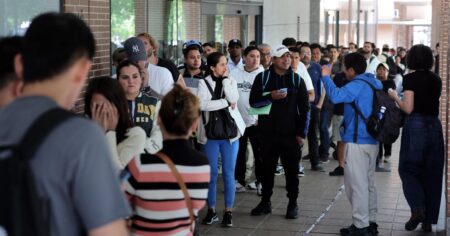
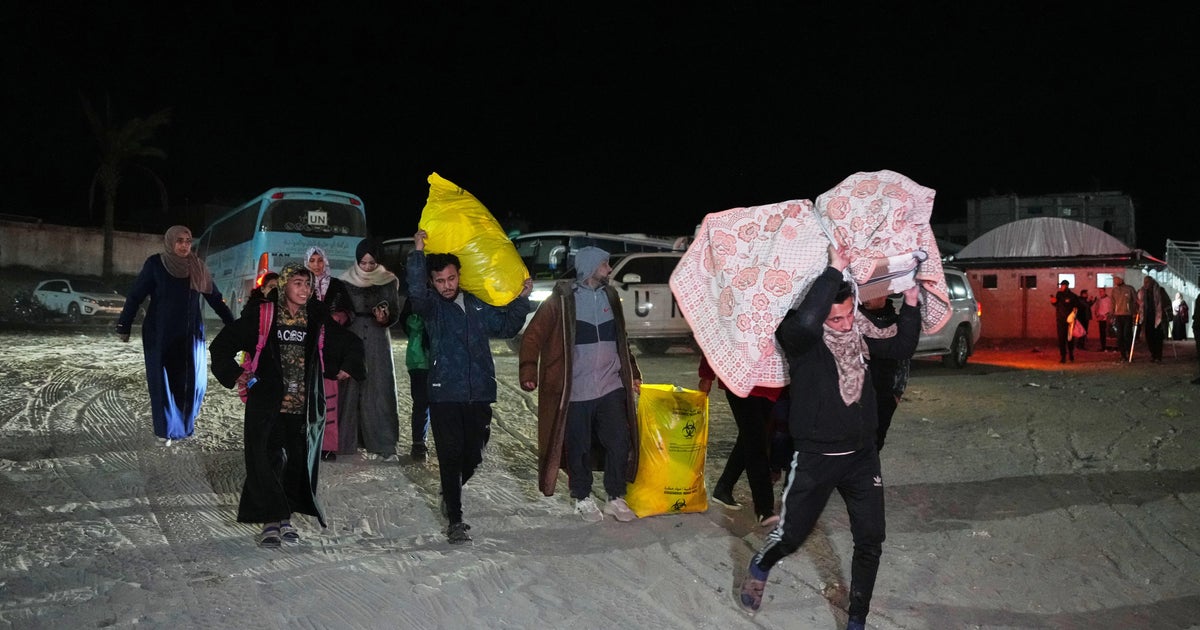
On Sunday morning, a group of Palestinian patients and wounded individuals gathered in the courtyard of a Red Crescent hospital in Khan Younis, a city in southern Gaza, preparing themselves for the journey to the Rafah crossing and the medical treatment that awaited them in Egypt. For these patients and their families, the gathering represented both hope and anxiety—hope that they would finally receive the care they so desperately needed, and anxiety about the uncertain process that lay ahead. Family members who spoke with reporters described the mixed emotions of the day, the relief at being selected tempered by concerns about how their loved ones—already weakened by injury or illness—would endure the lengthy screening process. Meanwhile, on the Egyptian side of the crossing, another group of Palestinians arrived Sunday morning, these ones hoping to return home to Gaza after being away during the conflict. Egypt’s state-run Al-Qahera News satellite television reported their arrival, documenting the slow trickle of movement in both directions.
The Broader Context: A Crossing Under Severe Restrictions
The Rafah crossing has always been more than just a border point—it has been an essential lifeline for Palestinians in Gaza, representing the only passage in or out of the territory that wasn’t directly controlled by Israel before the war began. When Israeli forces seized the Palestinian side of Rafah in May 2024, they cut off this crucial artery, though traffic through the crossing had already been heavily restricted even before that takeover. The reopening on February 2nd was negotiated as a critical component of the current ceasefire deal, which brought a temporary halt to more than two years of brutal warfare that had devastated Gaza’s infrastructure, economy, and population. However, both Egyptian state media and Israeli officials were quick to acknowledge that this reopening was largely symbolic in nature. The harsh reality was that very few people would actually be allowed to travel in either direction, and crucially, no goods could enter Gaza through the crossing.
The restrictions that govern the crossing’s operation were hammered out through negotiations involving Israeli, Egyptian, Palestinian, and international officials, resulting in a framework that severely limits its utility. Under the current agreement, only 50 people are permitted to return to Gaza each day, and only 50 medical patients—along with two companions for each patient—are allowed to leave. Even these modest quotas haven’t been met; far fewer people have actually crossed in both directions than these limits would allow. This gap between what’s theoretically permitted and what’s actually happening suggests ongoing complications in the implementation of the agreement, whether due to security concerns, administrative inefficiencies, or deliberate restrictions. For the thousands of people desperately hoping to leave Gaza for medical treatment, or to return home after being away during the conflict, these numbers represent an almost insurmountable bottleneck.
Political Dimensions and the Path Forward
While the humanitarian situation at Rafah continues to unfold slowly and painfully, political developments are moving forward on other fronts. Israeli Prime Minister Benjamin Netanyahu is expected to travel to Washington this week for discussions with U.S. officials, though his office indicated that the primary topic of conversation would be Iran rather than the situation in Gaza or the implementation of the ceasefire agreement. This focus suggests that despite the ongoing humanitarian crisis and the fragile ceasefire, regional security concerns continue to dominate the agenda for Israeli leadership. Meanwhile, the process that led to the crossing’s reopening involved significant diplomatic pressure, including visits by several American officials to Israel specifically to press for the opening. The crossing was only allowed to operate after Israel retrieved the body of the last hostage held in Gaza, indicating the complex web of conditions and negotiations that surround even basic humanitarian measures.
The story of the Rafah crossing encapsulates the broader tragedy of Gaza: even in moments of apparent progress, the reality for ordinary Palestinians remains one of limited options, bureaucratic obstacles, and agonizing waits for basic needs to be met. For the 20,000 people seeking medical care outside Gaza, the reopening of Rafah offers hope, but it’s a hope tempered by the knowledge that at current rates, it could take years for everyone who needs treatment to receive it. The families gathering in hospital courtyards, the patients enduring hours of searches and delays, the mothers pleading for their injured sons to be treated with dignity—these are the human faces behind the statistics and diplomatic announcements. As the ceasefire holds and negotiations continue, the central question remains: will the international community and the parties involved expand access through Rafah to truly meet the humanitarian need, or will this crossing remain more symbol than solution, offering relief to a fortunate few while thousands more continue to wait and suffer?