


The Tragic Death of Mohamed al-Mousawi: A Dark Chapter in Bahrain’s Crackdown
A Disappearance Ending in Death
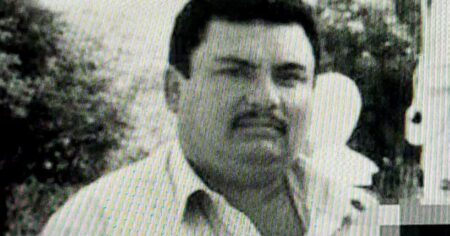
In March 2024, Mohamed al-Mousawi, a 32-year-old Shiite Muslim living in Bahrain, simply vanished. He had attended prayers with two friends on March 19th, and then all three men disappeared without a trace. For his family, eight agonizing days passed with no word of his whereabouts—a terrifying limbo that ended with a phone call no family should ever receive. On March 27th, they were instructed to collect Mohamed’s body from a military hospital. What they found was devastating: his body was covered in slash marks and bruising, with injuries on the soles of his feet and marks consistent with torture. The official cause of death was listed as a heart attack, but his family insists he had no preexisting health conditions. According to relatives who saw his body at the morgue, the evidence painted a horrific picture—wounds that appeared to be from whipping with cables, possible electrocution burns behind his knees, and what looked like cigarette burns scattered across his body. Five witnesses who viewed the body independently described the same disturbing marks. Mohamed had been working to save money to start his own business, hoping to build a future after spending 11 years in prison on charges including arson and belonging to a terrorist cell, before being released in 2024 under a royal amnesty.
A Country Under Pressure
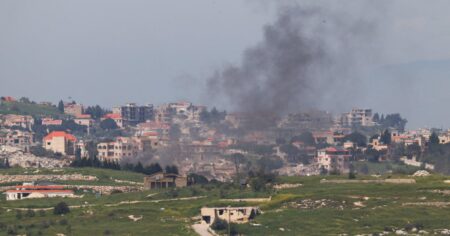
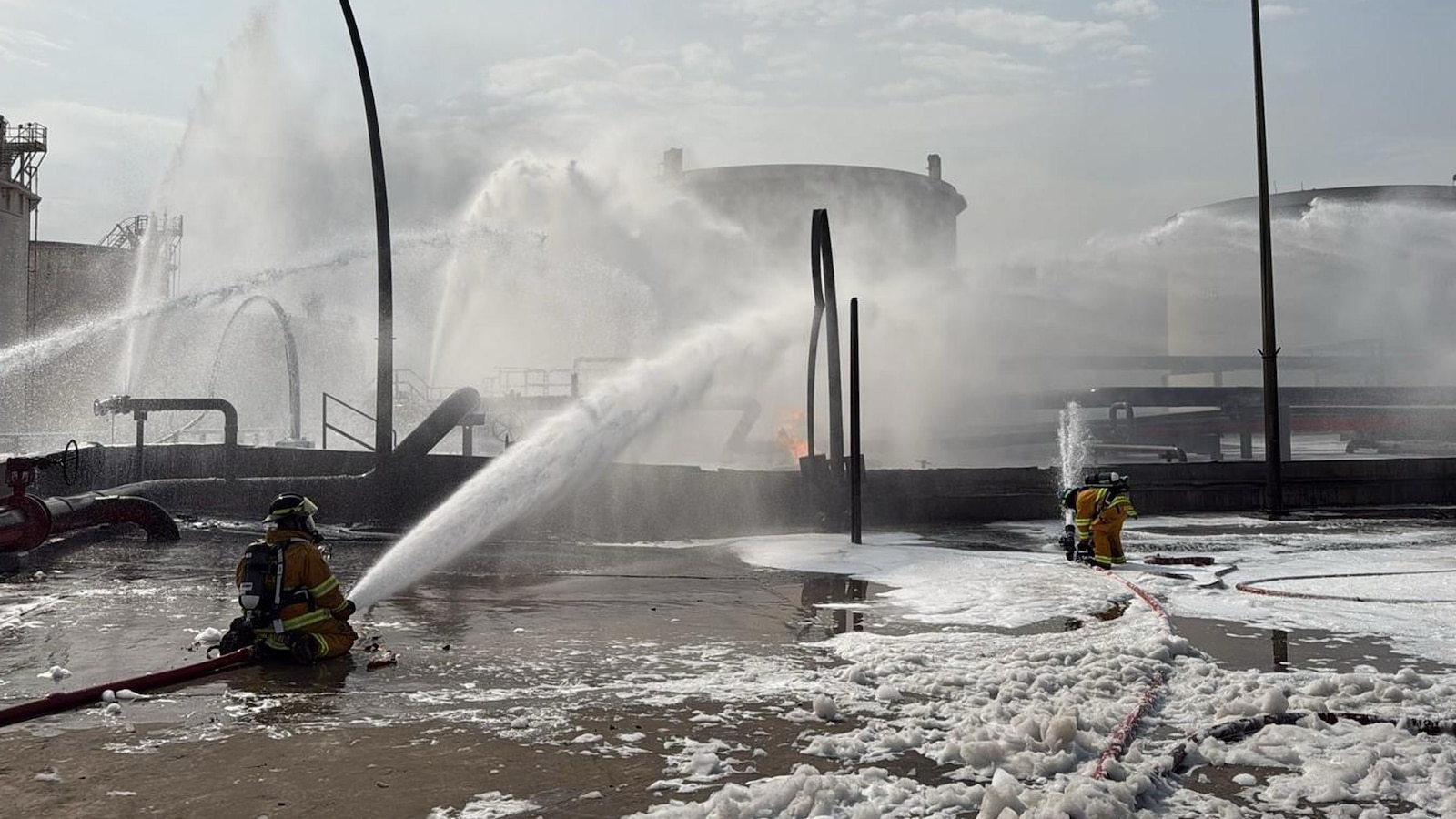
Mohamed’s death didn’t happen in a vacuum. It occurred against the backdrop of escalating tensions in Bahrain, a small island kingdom in the Persian Gulf that finds itself on the front lines of regional conflict. When Iran launched missile attacks against Bahrain last month, the government responded not only militarily but also with an intensified domestic crackdown. Bahrain, ruled by a Sunni monarchy despite having a Shiite majority population, has arrested dozens of people since the war began on February 28th. The charges range from filming missile strikes and participating in demonstrations to expressing support for Iran and suspected espionage. According to Bahrain’s government, the country has endured more than 600 Iranian drone and missile strikes, which have killed at least two people and damaged critical infrastructure including a desalination plant, an oil refinery, and an aluminum smelter. Iran has also repeatedly targeted the headquarters of the U.S. Navy’s 5th Fleet, which is hosted by Bahrain. The government maintains that its security measures are “a direct and proportionate response” to these attacks, arguing that those arrested include people who filmed military and strategic sites during active attacks, passed sensitive information, or publicly supported a state that had just attacked Bahraini territory.
Echoes of 2011: A Return to Repressive Tactics
For human rights advocates and Bahraini activists, Mohamed’s death and the current wave of arrests represent a frightening return to tactics used during the Arab Spring protests of 2011. That year, when pro-democracy uprisings swept across the Middle East and North Africa, Bahrain’s ruling Al Khalifa family brutally crushed mass demonstrations, calling in troops from Saudi Arabia and the United Arab Emirates to help suppress the mostly Shiite protesters. The government characterized the demonstrators as Iranian proxies, a narrative it continues to employ today. Following international criticism of the 2011 crackdown, Bahrain implemented reforms, including stripping the National Security Agency—the domestic spy service—of its powers to arrest, due to allegations of abuse. However, those powers were quietly restored in 2017 as the government deepened its long-running campaign to suppress dissent. Since then, periodic unrest has continued, with authorities consistently framing Shiite protesters as agents of Iranian influence. Maryam al-Khawaja, a Bahraini activist living in exile whose father is currently imprisoned in Bahrain, observed that “what we’re seeing right now is definitely a lot more heavy-handed than we have in the past few years.” The question, she says, is “how far the government is going to go in its crackdown on people.”
The Government’s Response and Denial
Bahrain’s Interior Ministry has vigorously defended its actions and disputed the family’s account of Mohamed al-Mousawi’s death. Officials stated that he was arrested on suspicion of spying for Iran—allegations his family flatly denies—and claimed that images of his wounds were “inaccurate and misleading,” though they provided no specific explanation of how they were misleading or what actually caused the injuries visible on his body. The government has firmly rejected accusations of sectarianism, insisting that authorities have acted lawfully and that independent bodies investigate allegations of abuse. In an official statement, the government emphasized that it is defending national security and that its arrests were based on conduct, not religious identity. “To present arrests made on the basis of conduct as evidence of sectarian persecution and conflate the two—is a framing that we firmly and unequivocally reject,” the statement read. However, critics point out that the overwhelming majority of those arrested are Shiite Muslims, and that the government’s definition of threatening conduct appears to encompass even minor acts of dissent, such as sharing videos or expressing opinions on social media. The government’s position is that during wartime, when the country is under active attack, stricter security measures are justified and necessary to protect the state and its citizens.
The Broader Crackdown: Silencing Dissent
Mohamed al-Mousawi’s death is the most extreme example, but he is far from the only person caught up in Bahrain’s current crackdown. Since the war began, at least 41 people—including migrant workers—have been arrested for sharing images of what authorities describe as “Iranian aggression” or for expressing sympathy with Iran. Some face charges of treason, which can carry a life sentence or even the death penalty. The case of 21-year-old Hussein Fatiil illustrates how quickly peaceful protest can result in severe consequences. The day after the war started, Hussein and a friend posted videos of themselves at a protest outside the U.S. Embassy, waving a poster of Iran’s Supreme Leader Ayatollah Ali Khamenei. Minutes later, plainclothes officers took them away in an unmarked car. After hours of interrogation, Hussein was able to call home from a police station. Three days later, he called again to inform his family that he had been charged with five offenses, including misusing social media, inciting hatred, and treason. His father, Naji Fatiil, told reporters that “the charges are extremely serious and exaggerate what happened,” adding that his son said the protest was peaceful. “Now he might be charged with the most severe punishment,” he said. “All I want is for my son to have a normal life and not be sentenced to death.” Sayed Ahmed AlWadaei of the London-based Bahrain Institute for Rights and Democracy argues that the government’s goal is clear: “They want to make sure nobody challenges the state’s narrative and silence any voices not telling the story (of the war) how they want it to be told.”
The Human Cost of Geopolitical Conflict
Mohamed al-Mousawi’s death highlights the human cost of living in a small nation caught between larger powers in a volatile region. Bahrain’s unique position—a Shiite-majority country ruled by a Sunni monarchy, hosting a major American military installation, and located just miles from both Saudi Arabia and Iran—makes it particularly vulnerable to the sectarian and geopolitical tensions that define the modern Middle East. While some protesters have indeed celebrated Iranian strikes on Bahrain and mourned the killing of Iran’s Supreme Leader, and while videos show firebombs being thrown and cars set ablaze, the question remains whether the government’s response is proportionate or whether it represents collective punishment of Shiite citizens suspected of insufficient loyalty to the Sunni regime. Ahmed Banasr, a forensic expert with the New York-based Physicians for Human Rights who reviewed images of Mohamed’s body, concluded that the wounds were consistent with blunt force trauma and that wounds on the soles of his feet help rule out other explanations such as a fight or fall. “The findings are highly consistent with alleged torture,” he stated. Rights groups have long accused Bahrain of enforced disappearances, and Mohamed’s case—disappearing after prayers, held incommunicado for days by security services, and returned to his family dead and bearing marks of severe abuse—fits a disturbing pattern. For ordinary Bahrainis, especially those in the Shiite majority, the message is clear: even the appearance of sympathy with Iran, even filming a missile strike, even attending the wrong protest, can result in arrest, disappearance, or worse. As regional tensions continue to escalate, the space for dissent, for nuanced opinion, or even for simply existing as a Shiite citizen in Bahrain appears to be shrinking dangerously.