


Major Shakeup at the Pentagon: Army Chief General Randy George Asked to Step Down
Unexpected Retirement of a Decorated Military Leader
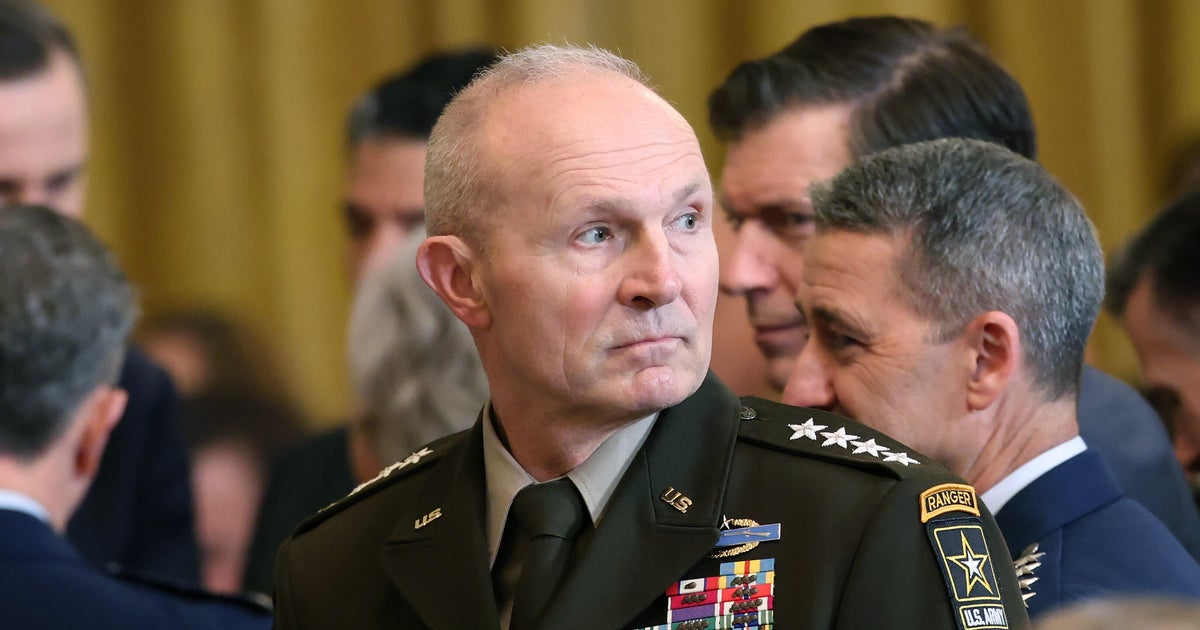
In a move that has sent shockwaves through the military establishment, Defense Secretary Pete Hegseth has requested that Army Chief of Staff General Randy George step down from his position and take immediate retirement. According to sources close to the situation who spoke with CBS News, this decision stems from Hegseth’s desire to install someone in the critical leadership role who will more directly align with and implement the vision that both President Trump and he have for the future of the Army. The Pentagon’s chief spokesperson, Sean Parnell, confirmed the news in an official statement, noting that General George “will be retiring from his position as the 41st Chief of Staff of the Army effective immediately.” The statement went on to express gratitude for George’s many years of dedicated service to the nation, with the Department of War thanking him for his decades-long commitment and wishing him well as he enters retirement. A senior Defense Department official elaborated further, stating plainly that while they appreciated George’s service, the time had simply come for a leadership change within the Army’s highest ranks.
A Distinguished Career Cut Short
General Randy George’s military career has been nothing short of exemplary, marked by service during some of America’s most significant military operations over the past three decades. A West Point graduate who received his commission as an infantry officer in 1988, George first saw combat during the first Gulf War, participating in both Operation Desert Shield and Operation Desert Storm. He continued his service through the more recent conflicts in Iraq and Afghanistan, deploying during Operation Iraqi Freedom and Operation Enduring Freedom. His career trajectory took him through various leadership positions, eventually leading to his role as the senior military assistant to Defense Secretary Lloyd Austin from 2021 to 2022 during the Biden administration. Before assuming his position as Army chief of staff, George served as vice chief of staff of the Army from 2022 to 2023. President Joe Biden nominated him for the top Army position, and the Senate confirmed him in 2023. Under normal circumstances, the Army chief of staff serves a four-year term, which would have meant George would have remained in his position until 2027. His sudden departure marks an abrupt end to what was expected to be a full tenure leading the Army through important modernization and strategic challenges.
New Leadership and the Path Forward
With General George’s departure, General Christopher LaNeve, the current vice chief of staff of the Army, will step into the role of acting Army chief of staff. LaNeve brings his own impressive credentials to the position, having previously served as Defense Secretary Hegseth’s military aide, which established a working relationship and trust between the two men. From 2022 to 2023, LaNeve commanded the Army’s prestigious 82nd Airborne Division, gaining valuable leadership experience with one of the military’s most elite units. Pentagon spokesperson Sean Parnell spoke highly of LaNeve’s qualifications, describing him as “a battle-tested leader with decades of operational experience” who is “completely trusted by Secretary Hegseth to carry out the vision of this administration without fault.” This statement clearly signals that the change in leadership is about ensuring alignment between military leadership and the current administration’s priorities and objectives for the armed forces. The transition happens at a time when the Army faces numerous challenges, from modernization efforts to adapting to new global threats, and LaNeve will need to hit the ground running to maintain continuity while implementing any new directives from the administration.
Part of a Broader Pattern of Military Leadership Changes
General George’s forced retirement is not an isolated incident but rather part of a much broader reshaping of military leadership under Defense Secretary Hegseth’s tenure. In recent weeks, Hegseth has removed more than a dozen senior military officers from their positions, representing an unprecedented purge of top brass across multiple branches of the armed forces. Among the high-profile dismissals are some of the military’s most senior leaders: General C.Q. Brown, who served as Chairman of the Joint Chiefs of Staff—the highest-ranking military officer in the United States; Admiral Lisa Franchetti, who made history as the Chief of Naval Operations; General James Slife, who held the position of Air Force Vice Chief of Staff; and Lieutenant General Jeffrey Kruse, who headed the Defense Intelligence Agency. These sweeping changes have raised questions and concerns among military observers, veterans’ groups, and members of Congress about the reasoning behind such extensive leadership turnover and whether it might affect military readiness and institutional knowledge. While administrations typically have the authority to make changes to military leadership, the scope and speed of these changes are unusual and have sparked debate about civil-military relations and the importance of military professionalism and continuity.
The Helicopter Incident and Leadership Tensions
The timing of General George’s ouster comes shortly after a controversial incident involving Army aviators who flew a helicopter near the home of musician Kid Rock in Nashville. After the incident, the Army had announced the suspension of the aircrew involved and initiated an administrative review to investigate what happened and whether any regulations or protocols were violated. However, Defense Secretary Hegseth publicly overruled the Army’s decision, posting on his personal X (formerly Twitter) account that there would be “No punishment. No investigation. Carry on, patriots.” This public contradiction of Army leadership’s disciplinary decision highlighted tensions between the Defense Secretary and the service’s command structure. However, sources familiar with the situation have stated that Hegseth’s decision to ask General George to step down was not directly related to the helicopter incident or the disagreement over how to handle it. Nevertheless, the incident and Hegseth’s intervention illustrated the kind of leadership friction that may have contributed to the decision that new leadership was needed—leadership that would be more closely aligned with the Defense Secretary’s approach to military discipline, operations, and priorities.
Implications and Looking Ahead
As General George departs after a distinguished career, questions remain about what his forced retirement and the broader leadership changes mean for the United States military. Just days before his ouster, the U.S. Military Academy at West Point shared photos on social media of General George visiting the academy on March 25, where he “shared experience-driven guidance with cadets preparing to lead.” The irony of a seasoned leader offering guidance to future officers just before being abruptly removed from his position is not lost on many observers. The situation raises important questions about the balance between civilian control of the military—a fundamental principle of American democracy—and the importance of military professionalism, institutional expertise, and continuity in leadership. While elected officials and their appointees certainly have the authority and responsibility to set policy direction for the armed forces, the manner and speed of these changes have prompted concerns about whether experienced military judgment is being adequately valued in decision-making processes. As General LaNeve steps into his new role as acting Army chief of staff, he will face the challenge of maintaining troop morale and confidence while implementing whatever new vision the administration has for the Army. The coming weeks and months will reveal more about what specific changes in direction prompted these leadership moves and how they will affect Army operations, readiness, and culture going forward.