


France Rushes to Cyprus’s Defense as Island Nation Becomes Flashpoint in Iran Conflict
A Small Island With Enormous Strategic Importance
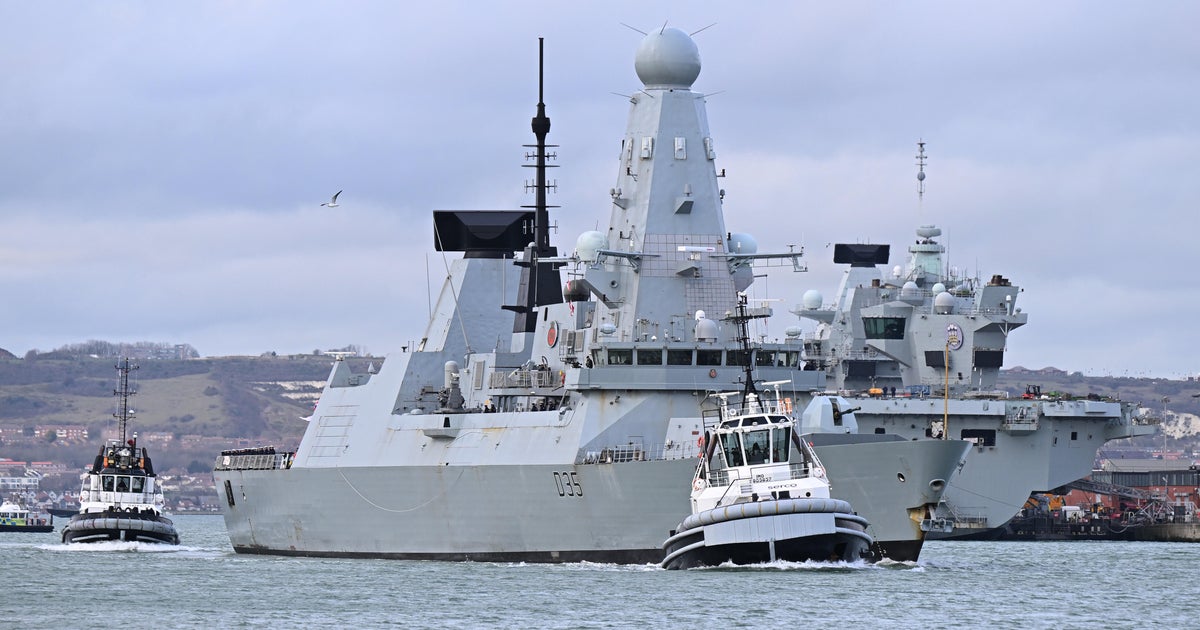
When most people think of Cyprus, they picture sun-drenched beaches and ancient ruins—not military bases and international conflict. Yet this small Mediterranean island, roughly the size of Yellowstone National Park and home to fewer than 1.5 million people, has suddenly found itself at the center of a geopolitical storm. French President Emmanuel Macron’s visit to Cyprus on Monday wasn’t a vacation stop; it was a crisis response. The reason? An Iranian drone attack had targeted a British military base on the island, sending shockwaves through European capitals and prompting urgent discussions about regional security. France wasted no time in declaring that any attack on Cyprus was an attack on all of Europe, a statement that carries significant weight given the island’s membership in the European Union. Within days, France and several other European nations announced they would deploy additional warships to the Mediterranean, along with sophisticated anti-drone and anti-missile defense systems, to help protect the island from further attacks. What makes this small island so important that major powers would rush to its defense? The answer lies in geography. Cyprus sits in the far eastern Mediterranean, a mere 100 miles from the coasts of Lebanon and Syria, placing it right in the heart of the Middle East. This strategic location explains why Britain has maintained two sovereign military bases there—Akrotiri and Dhekelia—for decades, treating these patches of land as British territory even after Cyprus gained independence.
From Peaceful Island to Military Target
Cyprus’s transformation from a relatively quiet observer to an active participant in Middle Eastern tensions happened almost overnight. The island found itself thrust into the spotlight following the coordinated U.S. and Israeli strikes on Iran on February 28th. While most of Iran’s retaliatory response involved ballistic missiles and drones aimed at Israel and Persian Gulf neighbors, several drones veered toward the British air base at Akrotiri. One of these unmanned aircraft managed to lightly damage a runway, a seemingly minor incident that carried enormous symbolic weight. The message was clear: Iran was willing to expand its targets beyond the immediate combatants, and Cyprus’s hosting of foreign military bases made it fair game. For many Cypriots, this attack came as an unwelcome reminder that their island’s strategic value also makes it vulnerable. The British bases, which have operated relatively quietly for years, suddenly represented a potential liability rather than just a foreign military presence. The reality that advanced weapons systems could reach their shores brought home the dangers of living in a region where tensions can escalate rapidly and neighbors can become combatants with little warning.
An Island Already Divided
Military tension is nothing new to Cyprus, though the current situation adds a dangerous new dimension to existing fractures. Since 1974, the island has been split along what the United Nations calls the “Green Line,” a division born from violent clashes between Greek Cypriots and Turkish Cypriots. The conflict emerged after Cyprus gained independence from Britain, when some Greek Cypriots pushed for union with Greece, alarming the island’s Turkish minority. The internationally recognized Republic of Cyprus controls roughly the southern portion of the island and joined the European Union in 2004, giving it connections to the broader European security framework. Meanwhile, the Turkish-controlled north operates as a separate entity recognized as independent only by Turkey itself, creating a complex political situation where one island essentially contains two governments. Both sides remain heavily armed, with Turkish President Recep Tayyip Erdogan recently reinforcing northern Cyprus with additional military assets, citing concerns about regional security. This internal division means that Cyprus faces threats not just from external actors like Iran, but also from the longstanding tensions that have kept communities separated for nearly fifty years. The island serves as a reminder that frozen conflicts don’t really freeze—they simmer, waiting for regional instability to bring them back to a boil.
The British Bases and the Trump Effect
Throughout all of Cyprus’s internal struggles, the United Kingdom has maintained firm control of its two sovereign bases at Akrotiri and Dhekelia. These installations aren’t just leased land—they’re considered British territory, a remnant of the colonial era that has proven too strategically valuable to relinquish. The bases serve as vital hubs for NATO military operations and are frequently used by the U.S. military thanks to the close alliance between Washington and London. However, recent events have highlighted how even close allies can have different comfort levels when it comes to military involvement. British Prime Minister Keir Starmer initially found himself under intense pressure from President Trump after denying the U.S. military use of British bases for the initial offensive operations against Iran. The political heat became intense enough that Starmer eventually reversed course, granting access to three British bases: Akrotiri in Cyprus, Diego Garcia in the Indian Ocean, and the crucial Fairford Air Station in England, where American strategic bombers are stationed. Yet even in granting this access, Starmer carefully circumscribed its limits, stating that permission was granted for a “specific and limited defensive purpose” only. He emphasized that British bases were not being used to facilitate strikes on Iran, attempting to thread a needle between supporting an ally and avoiding deeper entanglement in a conflict that could spiral out of control.
Cyprus Caught Between Neutrality and Alliance Politics
The government of Cyprus has been even more cautious than Britain about getting drawn into the expanding conflict. President Nikos Christodoulides has repeatedly emphasized his commitment to deescalation and regional stability, making it clear that Cyprus doesn’t want to become a battleground for other nations’ disputes. This stance resonates with many Cypriots who worry that their island’s strategic location makes it vulnerable to becoming collateral damage in someone else’s war. The Iranian drone attack on the British base sparked protests across the island, with citizens voicing concerns that the foreign military presence could actually increase risks rather than provide protection. Many demonstrators argued that the bases undermine Cyprus’s ability to position itself as a neutral party working for peaceful resolution of regional conflicts. These aren’t abstract concerns for people who remember their own island’s violent division and who live close enough to Middle Eastern conflict zones to feel genuine fear about escalation. Adding another layer of complexity is Cyprus’s growing relationship with Greece and Israel through a trilateral cooperation agreement. In December, the leaders of all three nations met in Nicosia to finalize their 2026 cooperation plan, which includes military coordination, joint exercises between their armed forces, and collaboration on broader regional security challenges. Israeli Prime Minister Benjamin Netanyahu attended that meeting and made a somewhat cryptic warning that “those who fantasize they can reestablish their empires and their dominion over our lands should forget it”—a statement that could be interpreted as directed at Iran and its regional ambitions.
The Israeli Connection and Regional Implications
The relationship between southern Cyprus and Israel has deepened considerably in recent years, extending well beyond military cooperation into economic and social ties. Cyprus has become an increasingly popular vacation destination for Israelis, with many purchasing properties on the island for holidays, retirement, or investment. According to the Commonwealth Jewish Council, this has created an Israeli community estimated at around 11,000 people, complete with holiday homes, retirement residences, and tourism facilities. This growing Israeli presence has economic benefits for Cyprus but also makes the island’s neutrality harder to maintain in practice, regardless of official government positions. From Iran’s perspective, Cyprus’s hosting of British bases used by American forces, combined with its deepening military and social ties with Israel, likely makes the island look less like a neutral party and more like part of the opposing coalition. This perception helps explain why Iranian drones targeted the island despite Cyprus’s stated desire to remain on the sidelines. The situation facing Cyprus reflects a broader challenge for small nations in strategically important locations: geography can be destiny, and sometimes simply existing in a certain place makes neutrality impossible, no matter how much a country might wish otherwise. As European warships steam toward the Mediterranean and anti-missile systems are deployed to protect the island, Cyprus finds itself navigating between its desire for peace, its obligations as an EU member, the presence of foreign military bases on its soil, and its own internal divisions. The coming months will test whether this small island can manage these competing pressures or whether it will be pulled deeper into a conflict it never wanted to join.